
Organic Fungicide for Grape Powdery Mildew: 7 Top Effective Picks for 2024
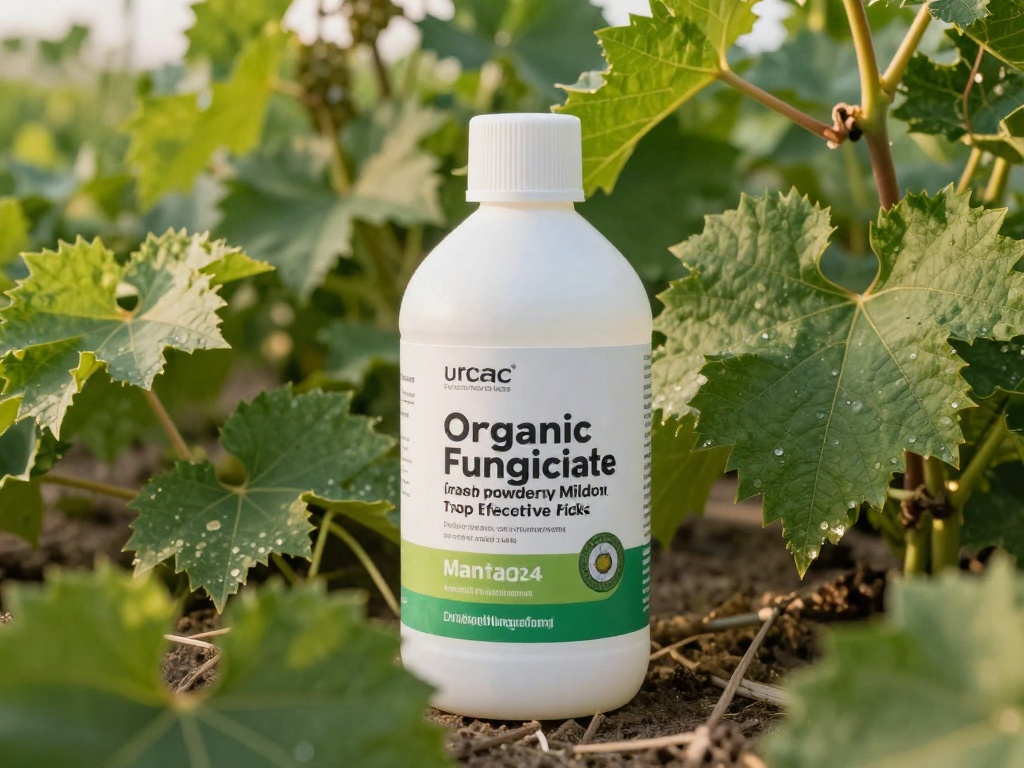
Organic Fungicide for Grape Powdery Mildew: 7 Top Effective Picks for 2024
Grape powdery mildew is one of the most destructive fungal diseases for commercial and home grape growers alike, costing U.S. vineyards over $1 billion annually according to the USDA Agricultural Research Service. For organic farmers and home gardeners, finding a safe, effective organic fungicide for grape powdery mildew is critical to protecting harvests without relying on synthetic chemicals. This guide breaks down the best options, application tips, and key best practices to keep your vines healthy.

What Is Grape Powdery Mildew and Why It Threatens Your Vines?
How the Disease Spreads
Powdery mildew is caused by the fungus Erysiphe necator, which overwinters on dormant grapevines and releases spores in early spring. Spreads via wind, rain, and even garden tools, thriving in warm, humid conditions between 60 and 80 degrees Fahrenheit.
Damage Caused by Grape Powdery Mildew
The fungus creates a white, powdery coating on leaves, shoots, and fruit, which blocks sunlight and inhibits photosynthesis. Severe infections can cause leaf drop, stunted growth, and up to 30% yield loss in untreated vineyards. Infected grapes also develop off-flavors and are unmarketable.
How to Choose the Right Organic Fungicide for Grape Powdery Mildew
Not all organic fungicides work the same way for grape powdery mildew. Consider these key factors before selecting a product:
- Active Ingredients: Look for OMRI-listed compounds like sulfur, neem oil, or beneficial bacteria.
- Application Timing: Some products work best as a preventative spray, while others treat active infections.
- Resistance Risk: Rotate products with different modes of action to avoid fungal resistance.
- Certification: Ensure products meet organic farming standards for your operation.
7 Top Organic Fungicides for Grape Powdery Mildew
1. Wettable Sulfur
Sulfur is one of the oldest and most reliable organic fungicides for grape powdery mildew. It works by inhibiting fungal spore germination and is safe for most grape varieties when applied correctly. Avoid using sulfur on hot days (over 90°F) to prevent leaf burn. It is OMRI-listed for organic farming and affordable for small and large operations.
2. Cold-Pressed Neem Oil
Cold-pressed neem oil contains azadirachtin, a natural compound that disrupts fungal cell membranes and repels pests. Apply as a foliar spray every 7 to 14 days during high-moisture periods. Note that neem oil can harm beneficial insects, so apply in the early morning or late evening when pollinators are inactive.
3. Bacillus amyloliquefaciens (Serenade ASO)
This beneficial bacterium colonizes grapevine surfaces and outcompetes powdery mildew fungi, while also stimulating the plant’s natural immune system. It is OMRI-certified and safe for use up to the day of harvest, making it a popular choice for organic vineyards.
4. Potassium Bicarbonate
Potassium bicarbonate kills existing powdery mildew colonies on contact by disrupting their cell walls. It is fast-acting and ideal for treating early-stage infections. Mix with a spreader-sticker to ensure proper adhesion to grapevine leaves and fruit.
5. Vinegar-Based Organic Sprays
Diluted white vinegar (1 to 2 tablespoons per gallon of water) creates an acidic environment that kills powdery mildew spores. This is a budget-friendly option for home gardeners, but avoid overuse as it can damage young grapevine foliage.
6. Reishi Mushroom Extract Fungicides
Commercial reishi extract fungicides contain natural fungal compounds that inhibit powdery mildew growth. They are gentle on plants and beneficial insects, and work well as part of a rotation program for resistance management.
7. Fixed Copper Sulfate
Fixed copper is a highly effective early-season organic fungicide that prevents overwintering spores from germinating. Apply during dormancy or just before bud break, but avoid using it during active growth as it can cause leaf burn and fruit spotting.
Best Practices for Applying Organic Fungicides for Grape Powdery Mildew
Timing Is Critical
Most organic fungicides work best when applied preventatively, before symptoms appear. Start spraying in early spring when new shoots emerge, and continue every 7 to 14 days through harvest season. Avoid spraying during bloom to protect pollinating bees.
Proper Application Techniques
Thoroughly cover all parts of the grapevine, including the undersides of leaves, where powdery mildew often hides. Use a high-volume sprayer to ensure full coverage, and add a spreader-sticker to help the fungicide adhere to waxy grapevine surfaces.
Resistance Management
Rotate between organic fungicides with different active ingredients every 2 to 3 applications. This prevents powdery mildew from developing resistance to any single product, ensuring long-term effectiveness for your vineyard.
Frequently Asked Questions About Organic Fungicide for Grape Powdery Mildew
Is organic fungicide for grape powdery mildew as effective as synthetic options?
While synthetic fungicides often have faster knockdown effects, many organic options like sulfur and Bacillus amyloliquefaciens provide comparable long-term protection when applied correctly. Cornell Cooperative Extension reports that organic programs can reduce powdery mildew damage by up to 85% when followed properly.
Can I use organic fungicides during bloom?
Most organic fungicides are safe to use during bloom, but avoid spraying when bees are actively foraging. Apply in early morning or late evening to protect pollinators, and check product labels for specific bloom-time guidelines.
How often should I apply organic fungicides for grape powdery mildew?
Apply organic fungicides every 7 to 14 days during warm, humid growing conditions. Reduce frequency during dry, cool weather, and increase applications if rain washes off the spray within 24 hours.
Are there any natural DIY alternatives to commercial organic fungicides?
Yes, DIY options include diluted neem oil, potassium bicarbonate sprays, and vinegar solutions. These work well for small-scale home gardens, but may require more frequent applications than commercial organic fungicides.
No comments