
Organic Pest Control for Tomato Hornworms: 7 Easy Methods
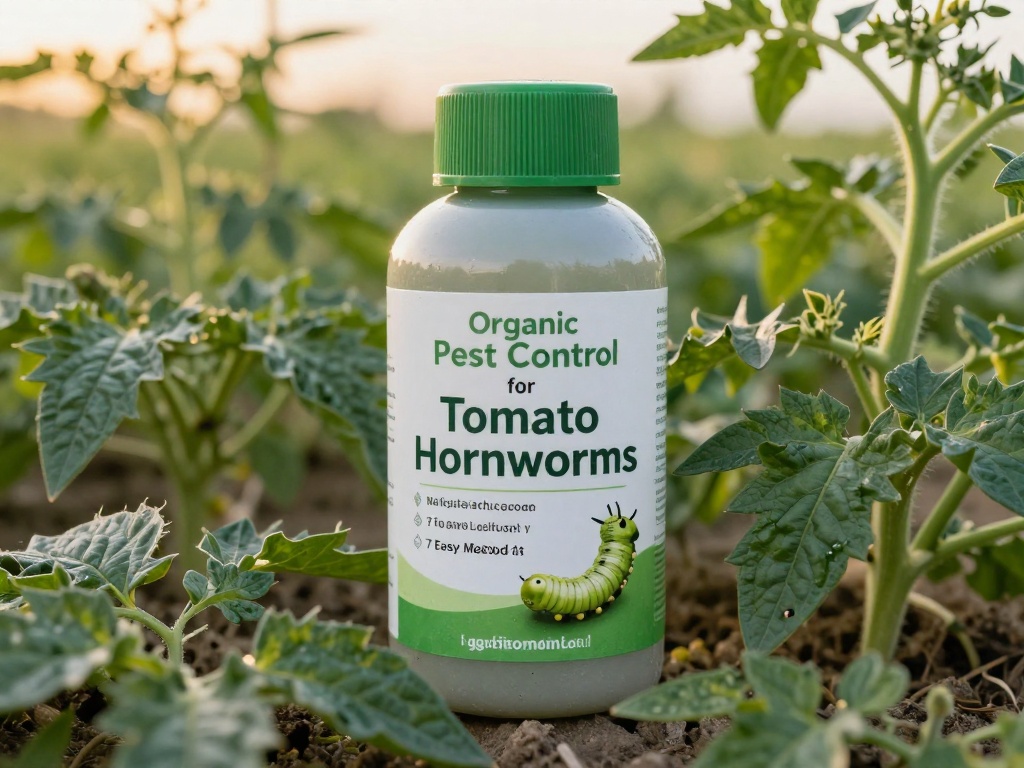
Organic Pest Control for Tomato Hornworms: 7 Easy Methods
Tomato hornworms are the voracious green caterpillar larvae of the five-spotted hawkmoth, and they’re one of the most destructive pests for home tomato growers. These pests can devour 3 square feet or more of tomato foliage in a single day, leaving behind bare stems and ruined fruit. Organic pest control for tomato hornworms lets you eliminate these pests without exposing your garden, family, or beneficial pollinators to harsh synthetic chemicals.

What Are Tomato Hornworms and How to Spot Them?
Adult five-spotted hawkmoths lay tiny, green spherical eggs on the undersides of tomato leaves in late spring. These eggs hatch in 4-5 days, revealing small caterpillars that grow up to 4 inches long over 3-4 weeks. Fully grown caterpillars burrow into soil to pupate over winter, emerging as moths the following spring.
Signs of an infestation include large, irregular chewed holes in tomato leaves, dark black frass (caterpillar droppings) on foliage or surrounding soil, and stripped fruit stems. You may also spot the large green caterpillars blending in with your tomato foliage.
Why Organic Pest Control for Tomato Hornworms Matters
Synthetic pesticides for tomato hornworms often kill beneficial insects like ladybugs, lacewings, and honeybees, which help pollinate crops and control other garden pests. These chemicals can leave toxic residues on edible fruit, and overuse leads to pest resistance, making future infestations harder to manage.
Organic pest control for tomato hornworms targets only harmful caterpillars, preserving your garden’s natural ecosystem while protecting your tomato harvest and family.
7 Easy Organic Pest Control Methods for Tomato Hornworms
Handpicking
Handpicking is the simplest and most cost-effective organic pest control for tomato hornworms, ideal for small home garden plots. Wear gardening gloves, then search plants early in the morning when hornworms are slow and sluggish. Look for caterpillars on leaf undersides, along stems, and near damaged foliage. Drop any found hornworms into a bucket of soapy water to kill them instantly, and repeat every 2-3 days during peak season.
Bacillus thuringiensis (Bt)
Bacillus thuringiensis, or Bt, is a naturally occurring soil bacteria that targets only caterpillar pests like tomato hornworms. When hornworms ingest Bt-treated foliage, it disrupts their digestive system, stopping feeding and killing them within 1-3 days. Bt is completely safe for bees, birds, and beneficial insects.
Mix Bt powder or liquid with water per product instructions, then spray directly on top and undersides of tomato leaves. Reapply every 7-10 days, or immediately after heavy rain.
Neem Oil
Neem oil is a plant-based pesticide derived from the neem tree, acting as both a repellent and growth disruptor for tomato hornworms. It blocks caterpillar feeding and molting, killing them without harming beneficial insects when used correctly.
Mix 1-2 teaspoons of neem oil with a quart of water and a few drops of dish soap to help adhesion, then spray plants in late evening to avoid harming foraging bees. Reapply every 7-14 days, or after rain.
Food-Grade Diatomaceous Earth
Food-grade diatomaceous earth (DE) is a powdery substance made from fossilized aquatic organisms. Its sharp microscopic edges cut through the hornworm’s waxy exoskeleton, causing dehydration and death. Sprinkle a thin layer around tomato plant bases and on foliage, avoiding breathing in the powder.
Reapply DE after rain or watering, as moisture renders it ineffective. Note that DE will kill beneficial insects on contact, so apply only to infested areas.
Companion Planting
Companion planting uses pest-repellent plants to keep hornworms away without extra treatments. Marigolds, basil, dill, nasturtiums, and garlic all release scents that repel tomato hornworms. Plant these around your tomato bed perimeter or interplant between rows:
- Marigolds
- Basil
- Dill
- Nasturtiums
- Garlic
Grow nectar-rich flowers like cosmos and yarrow to attract parasitic wasps, which kill hornworms by laying eggs inside their bodies.
Attract Parasitic Wasps
Parasitic wasps are tiny, non-stinging natural predators of tomato hornworms. These wasps lay eggs inside caterpillars, and emerging larvae eat the host from the inside out to kill it. Attract wasps by planting fennel, dill, and cosmos around your tomato beds, or purchase and release commercially available wasp eggs near infested plants.
Homemade Organic Sprays
Two effective homemade sprays for tomato hornworms include:
- Garlic-Pepper Spray: Blend 2 garlic cloves, 1 hot pepper, and 1 quart of water, strain, and add 1 teaspoon of dish soap. Spray on foliage to repel and kill caterpillars.
- Tomato Leaf Spray: Blend fresh tomato leaves with water, strain, and spray plants. Natural solanine in tomato leaves repels hornworms.
How to Prevent Future Tomato Hornworm Infestations
Preventing infestations is easier than treating them. Rotate tomato crops each year to disrupt the hornworm life cycle, and till garden soil in fall to expose overwintering pupae to birds and cold temperatures. Use floating row covers to block adult moths from laying eggs, and remove fallen foliage and fruit to eliminate hornworm hiding spots.
Frequently Asked Questions About Organic Pest Control for Tomato Hornworms
How do I get rid of tomato hornworms naturally?
The most effective natural methods include handpicking, applying Bt or neem oil, using diatomaceous earth, and attracting parasitic wasps. Combining multiple methods will deliver the best results for your garden.
Will tomato hornworms kill my tomato plants?
Yes, untreated infestations can quickly defoliate tomato plants, stunting growth and reducing harvests. Severe infestations can kill young tomato plants, but mature plants usually recover if caught early.
Can I use vinegar to control tomato hornworms?
Diluted white vinegar works as a supplementary repellent. Mix 1 part vinegar with 3 parts water, then spray on foliage. Avoid undiluted vinegar, as it can burn plant leaves. Use alongside other organic pest control methods for best results.
When is the best time to apply organic pest control for tomato hornworms?
Apply treatments early in the morning or late in the evening, when bees and beneficial pollinators are less active. Avoid midday applications, as heat can burn plant foliage. Reapply all treatments after heavy rain or watering to maintain effectiveness.
No comments