
Organic Fertilizer for Blueberry Bushes: 5 Top 2024 Guide
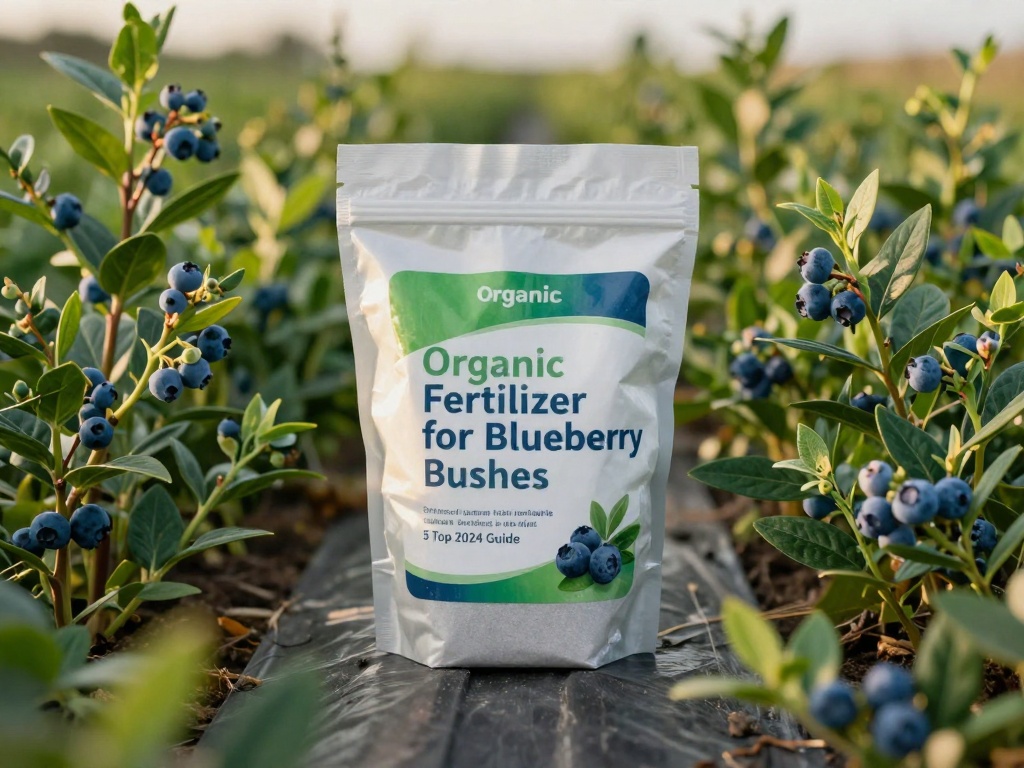
Organic Fertilizer for Blueberry Bushes: 5 Top 2024 Guide
Organic fertilizer for blueberry bushes is a game-changer for home gardeners and commercial growers alike. Unlike synthetic fertilizers, organic options feed soil microbes while lowering soil pH to match the 4.0–5.5 acidic range blueberries require for optimal nutrient uptake.

Why Blueberries Need Special Organic Fertilizer
Acid Soil Requirements
Blueberries are ericaceous plants, meaning they evolved to grow in highly acidic, peat-rich woodland soils. Most standard garden fertilizers, even organic ones made from animal manure, can raise soil pH over time and make nutrients unavailable to blueberry roots.
Nutritional Needs of Blueberries
Blueberries have specific nutritional requirements to produce abundant, sweet fruit. They need consistent nitrogen for lush foliage growth, phosphorus for strong root and fruit development, and potassium for disease resistance and berry flavor. They also rely on micronutrients like iron and manganese, which are only accessible in acidic soil.
Top 5 Organic Fertilizer Picks for Blueberry Bushes
1. Cottonseed Meal
Cottonseed meal is a top choice for blueberry growers, as it provides slow-release nitrogen while naturally lowering soil pH. It also adds organic matter to improve soil structure and feeds beneficial soil microbes. Apply 1–2 cups per mature bush in early spring.
2. Fish Emulsion
This fast-acting liquid organic fertilizer delivers a balanced blend of nitrogen, phosphorus, and potassium. It’s ideal for giving young or stressed blueberry bushes a quick nutrient boost, and it won’t burn roots when diluted according to package instructions. Mix with water and apply to the soil around the bush’s drip line.
3. Worm Castings
Worm castings are a gentle, nutrient-dense amendment that boosts soil microbial activity and maintains a stable acidic pH. They’re perfect for young blueberry bushes, as they’re mild enough to avoid overwhelming delicate root systems. Spread a 2-inch layer around the base of the bush as a topdressing.
4. Composted Pine Needles & Bark
Shredded pine needles or composted pine bark break down slowly over time to lower soil pH while providing small amounts of essential nutrients. This makes an excellent topdressing for established blueberry bushes, helping to retain soil moisture and suppress weeds.
5. Soybean Meal
Soybean meal is a sustainable, plant-based alternative to blood meal, providing fast-release nitrogen and acidifying soil. It’s a great choice for mature blueberry bushes that need a quick nutrient boost in early spring, and it’s safe for use around pollinators.
How to Apply Organic Fertilizer for Blueberry Bushes
Timing
Apply organic fertilizer for blueberry bushes twice per year for best results: once in early spring before new growth starts, and again within two weeks after harvesting fruit. Avoid fertilizing in late fall, as this can encourage tender new growth that will be damaged by winter frost.
Application Methods
For granular fertilizers like cottonseed meal or soybean meal, spread the product evenly around the bush’s drip line, keeping it 6–12 inches away from the main stem to prevent root burn. For liquid fertilizers like fish emulsion, dilute according to package directions and pour the solution over the soil around the bush.
Dosage Tips
Follow package guidelines closely, as dosage varies by product. As a general rule, use 1–2 cups of granular fertilizer per mature bush, and 1/2 cup or less for young bushes under 2 years old. Over-fertilizing can lead to excessive foliage growth and reduced fruit production.
Common Mistakes to Avoid With Organic Blueberry Fertilizer
Even organic fertilizers can cause issues if used incorrectly. Here are the most common mistakes to avoid:
- Using alkaline organic amendments like non-acidified manure or bone meal, which can raise soil pH and harm blueberry roots.
- Over-fertilizing, which leads to lush leaf growth at the expense of fruit production.
- Fertilizing in late fall, which encourages vulnerable new growth.
- Skipping soil tests: Test your soil every 2–3 years to ensure pH stays between 4.0 and 5.5, even when using organic fertilizers.
Frequently Asked Questions About Organic Fertilizer for Blueberry Bushes
How often should I use organic fertilizer on my blueberry bushes?
Most organic fertilizers for blueberries should be applied 2–3 times per year: once in early spring, once after harvest, and optionally once in mid-summer for mature, high-yield bushes. Slow-release formulas like cottonseed meal may only need one annual application.
Can I use regular garden compost as organic fertilizer for blueberry bushes?
Yes, but only if your compost is made from acidic materials like pine needles, oak leaves, or fruit scraps. Regular compost made from grass clippings and vegetable peels may raise soil pH over time, so test your soil before using it around blueberries.
Will organic fertilizer for blueberry bushes burn my plants?
Organic fertilizers are far less likely to burn roots than synthetic options, but over-applying any fertilizer can cause nutrient imbalances or root damage. Always follow package dosage guidelines and avoid applying fertilizer directly to the bush’s stem.
Should I use organic fertilizer for young blueberry bushes?
Yes, but use a mild, gentle formula like worm castings or diluted fish emulsion to avoid overwhelming delicate young root systems. Avoid high-nitrogen fertilizers for bushes under 2 years old, as they can stunt growth.
No comments