
Late Season Aphid Control for Broccoli: 7 Easy Tactics
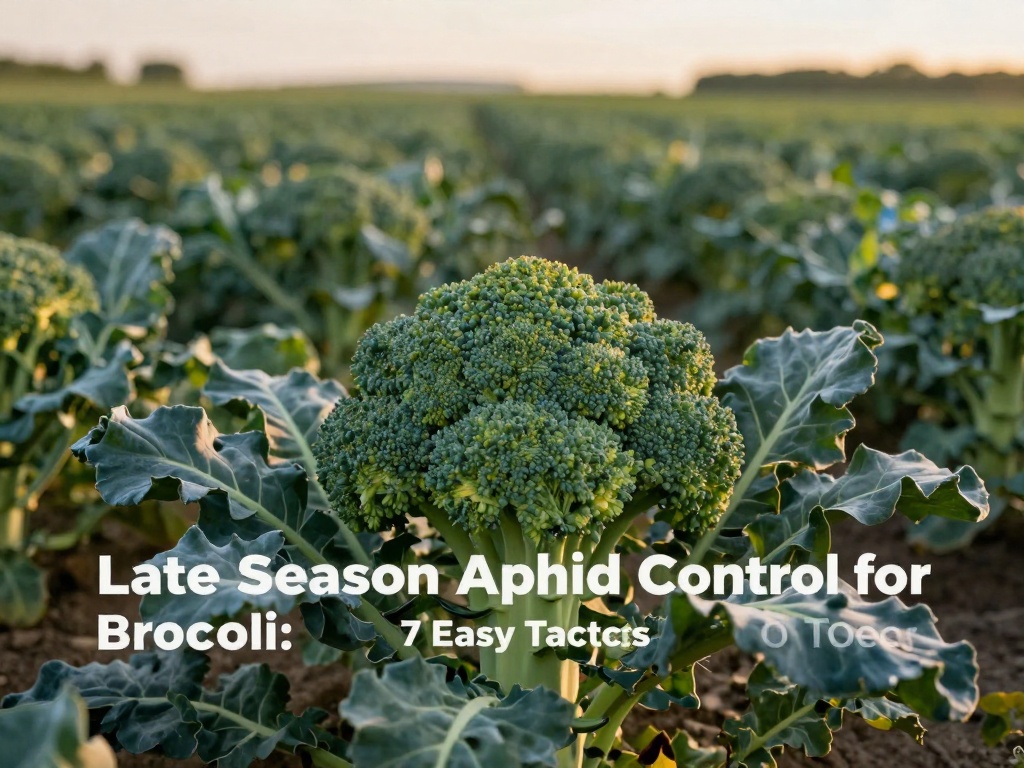
Late Season Aphid Control for Broccoli: 7 Easy Tactics
Late season aphid control for broccoli is a critical task for commercial and home growers alike, as fall aphid populations peak just as broccoli heads reach maturity. According to the USDA, aphids cause an estimated 15-20% yield loss in unprotected fall broccoli crops annually, by sucking sap, transmitting viral diseases, and contaminating harvestable heads with honeydew. This guide breaks down proven, targeted tactics to protect your late season broccoli crop from aphid damage.
Why Late Season Aphids Pose a Unique Threat to Broccoli
The Hidden Damage of Aphid Infestations
Aphids are soft-bodied, pear-shaped insects that feed on the phloem sap of broccoli plants. They pierce leaf and stem tissue to suck nutrients, causing leaves to yellow, curl, and wilt. Heavy infestations can stunt plant growth and reduce the size of broccoli heads.
They also excrete a sticky, sweet substance called honeydew, which promotes sooty mold growth. This mold covers broccoli heads, making them unmarketable and reducing their nutritional value. Late season infestations are especially harmful because broccoli is nearing harvest, so any damage eliminates or reduces your final yield.
Timing Is Everything: When to Start Control Efforts
The key to successful late season aphid control is acting early, before populations explode. Aphids can reproduce quickly, with new generations forming every 7-10 days in cool fall temperatures.
Proactive Monitoring Tips
Walk your fields or garden weekly, checking the undersides of lower leaves for small, green or black aphid colonies. Hang yellow sticky traps 1-2 feet above the crop to track adult aphid flight patterns. Treat infestations as soon as you spot 5-10 aphids per leaf, before they spread to the entire plant.
7 Effective Late Season Aphid Control Tactics
1. Insecticidal Soap and Cold-Pressed Neem Oil
These organic, eco-friendly products target soft-bodied aphids without leaving harmful residues. Insecticidal soap dissolves the aphid’s outer protective coating, while neem oil disrupts their feeding and reproductive cycles.
Apply in early morning or late evening to avoid leaf burn, and coat all surfaces of the plant, especially undersides of leaves. Repeat every 7-10 days for heavy infestations.
2. Beneficial Insect Releases
Natural predators like ladybugs, green lacewings, and parasitic wasps (Aphidius colemani) feed on aphids and can reduce populations without chemicals. Release 10-15 beneficial insects per square foot of broccoli plants when aphids are first detected.
Release in the evening to prevent the insects from flying away immediately, and keep the area moist to encourage them to stay in your garden.
3. Horticultural Oil Sprays
Superior horticultural oil smothers aphids, their eggs, and other soft-bodied pests without harming most beneficial insects. Apply when temperatures are between 40-90°F, and avoid spraying on drought-stressed plants.
Follow the product’s pre-harvest interval, which is typically 3-7 days for most horticultural oil products.
4. Homemade Aphid Repellent Sprays
For small-scale home gardeners, a simple homemade spray can repel aphids. Mix 1 cup of crushed garlic, 1 cup of hot pepper, 1 tablespoon of mild dish soap, and 1 gallon of water.
Strain the mixture, then spray directly onto broccoli plants. Reapply after rain or every 5-7 days to maintain effectiveness.
5. Cultural Control Practices
Remove all crop debris from your garden or field after harvest, as overwintering aphid eggs hide in plant matter. Use reflective aluminum mulch around broccoli plants to repel aphids by confusing their visual cues.
Rotate broccoli with non-cruciferous crops like tomatoes or corn each year to reduce aphid populations in the soil over time.
6. Targeted Chemical Insecticides
For heavy, unmanageable infestations, use systemic insecticides like imidacloprid or pyrethroids. These products kill aphids quickly but can harm beneficial insects, so use them only as a last resort.
Always follow the label’s pre-harvest interval, and avoid applying when pollinators are active to protect bees and other beneficial species.
7. Floating Row Covers
Floating row covers create a physical barrier that excludes aphids and other small pests from broccoli plants. Install row covers as soon as you transplant broccoli seedlings, and remove them once broccoli heads start to form.
Removing the covers allows the heads to develop properly and gives pollinators access to the plants if you are saving seeds.
Avoiding Aphid Resistance
Rotating between different types of aphid control methods prevents aphids from developing resistance to any single product. Avoid using the same insecticide or control method two times in a row, and combine biological, cultural, and chemical methods for long-term, sustainable aphid control.
This approach also supports a balanced ecosystem in your fields or garden, protecting beneficial insects that help control other pests.
Frequently Asked Questions About Late Season Aphid Control for Broccoli
When is the best time to treat for late season aphids on broccoli?
Treat as soon as you spot 5-10 aphids per leaf, ideally in early morning or evening to avoid harming beneficial pollinators. Acting early prevents populations from exploding and reduces the need for harsh chemicals.
Can I eat broccoli that has been treated with aphid control products?
Yes, as long as you follow the product’s pre-harvest interval. Most organic products like insecticidal soap have a 0-day pre-harvest interval, while synthetic chemicals require waiting 7-14 days before harvest. Rinse broccoli heads thoroughly before eating.
Do aphids overwinter in broccoli fields?
Yes, aphids lay eggs in crop debris and soil during the fall, which overwinter and hatch in early spring. Removing crop debris after harvest can reduce overwintering aphid populations for the next growing season.
Late season aphid control for broccoli doesn’t have to be complicated or costly. By monitoring populations proactively, combining multiple control methods, and following timing best practices, you can protect your fall broccoli harvest and maximize your yields. Whether you’re a small-scale home gardener or a commercial grower, these tactics will help you keep aphid damage to a minimum while supporting a healthy, balanced ecosystem.
No comments