
Onion Downy Mildew Organic Treatment: 7 Proven 2024 Methods
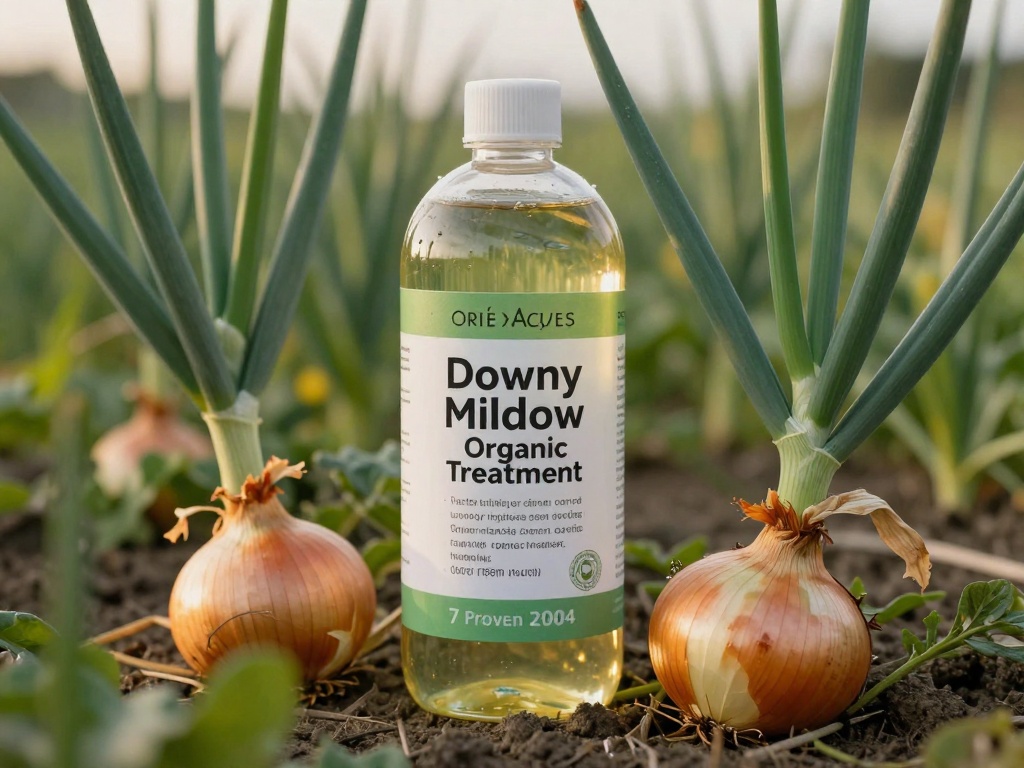
Onion Downy Mildew Organic Treatment: 7 Proven 2024 Methods
Onion downy mildew is a devastating oomycete disease that plagues organic onion crops, causing pale yellow lesions, fuzzy gray mold on leaves, and significant yield loss. Using onion downy mildew organic treatment methods allows you to protect your harvest without relying on synthetic pesticides, keeping your farm aligned with organic certification rules. This guide covers everything from early detection to effective, farm-tested treatments for 2024.
What Is Onion Downy Mildew?
Caused by the oomycete Peronospora destructor, onion downy mildew thrives in cool, wet conditions with temperatures between 50–75°F and high humidity. The disease spreads quickly via waterborne spores, infecting onion leaves, stems, and bulbs. Early signs include small, yellow spots on foliage that quickly expand, with a fuzzy gray or purple mold growing on the undersides of leaves in damp conditions.
If left untreated, the entire plant can die back, reducing bulb size and yield by up to 60%, according to the USDA Agricultural Research Service.
Critical Prevention Steps Before Treatment
The best organic treatment for onion downy mildew starts with prevention, as stopping the disease before it takes hold is far easier than managing an active outbreak. These steps will lower your risk of infection all season long.
Rotate Crops Annually
Avoid planting onions or other alliums (garlic, leeks) in the same spot for two consecutive years. Crop rotation breaks the disease’s life cycle by depriving overwintering spores of a host plant. The University of California Integrated Pest Management (UC IPM) recommends rotating onions with non-allium crops like corn or beans for best results.
Optimize Spacing and Airflow
Plant onion sets at the recommended spacing (4–6 inches apart in rows 12–18 inches apart) to improve air circulation around foliage. Dense, crowded plants trap moisture, creating the perfect environment for downy mildew spores to germinate. Avoid watering overhead, as wet leaves speed up spore spread.
Choose Resistant Onion Varieties
Select organic onion varieties bred for downy mildew resistance, such as 'Copra', 'Hytec', or 'Senator'. Resistant varieties won’t eliminate disease risk entirely, but they will significantly reduce the severity of infections and lower the need for treatment.
7 Effective Onion Downy Mildew Organic Treatment Methods
When downy mildew does appear, these seven organic treatments are safe, effective, and compliant with organic farming standards:
1. Neem Oil Spray
Neem oil is a popular organic fungicide and insecticide that disrupts the life cycle of downy mildew spores. Mix 1 tablespoon of cold-pressed neem oil with 1 teaspoon of liquid castile soap and 1 gallon of water. Spray the solution evenly on all foliage surfaces, focusing on the undersides of leaves.
Apply every 7–10 days during cool, wet weather. Avoid applying neem oil in direct sunlight to prevent leaf burn.
2. Copper-Based Organic Sprays
Copper sulfate or copper hydroxide sprays are approved for organic farming by the USDA National Organic Program (NOP). They work by coating plant surfaces to prevent spore germination. Mix 1–2 tablespoons of copper fungicide per gallon of water, and apply at the first sign of disease or as a preventative treatment every 7–14 days.
Do not apply copper sprays during hot, dry weather to avoid phytotoxicity.
3. Baking Soda Solution
A simple baking soda solution alters the pH of onion leaf surfaces, making it harder for downy mildew spores to survive. Mix 1 tablespoon of baking soda, 1 teaspoon of liquid castile soap, and 1 gallon of water. Spray the solution on affected foliage every 5–7 days.
This method works best for early-stage infections.
4. Milk Spray
Research from Cornell Cooperative Extension has shown that a 30% milk solution (1 part milk, 2 parts water) can suppress downy mildew growth. The proteins in milk trigger the plant’s natural defense responses, while also coating spores to prevent them from infecting leaves.
Spray every 7–10 days during high-risk periods.
5. Homemade Garlic and Chili Spray
This pungent spray repels downy mildew and other fungal pathogens. Blend 2 garlic bulbs, 2 hot chili peppers, and 1 quart of water, then strain the mixture. Add 1 quart of additional water and 1 teaspoon of liquid castile soap.
Spray the solution on foliage every 7 days to prevent and treat mild infections.
6. Beneficial Biofungicides
Commercial biofungicides containing Bacillus amyloliquefaciens or Streptomyces lydicus are effective organic treatments for downy mildew. These beneficial bacteria colonize plant surfaces and outcompete downy mildew spores. Follow the manufacturer’s application instructions for best results, typically every 7–14 days.
7. Soil Solarization
For dormant onion beds, soil solarization can kill overwintering downy mildew spores in the top 6 inches of soil. Cover the bed with clear plastic sheeting for 4–6 weeks during the hottest months of summer. The trapped heat will raise soil temperatures to levels that destroy fungal and oomycete spores, according to the University of Arizona Cooperative Extension.
When to Apply Organic Treatments
Timing is critical for effective onion downy mildew organic treatment. Start scouting your onion beds weekly during cool, wet spring or fall weather, when conditions favor spore spread. Apply preventative treatments as soon as temperatures drop below 75°F and rainfall is expected.
For active infections, start treatment immediately at the first sign of yellow lesions on foliage.
FAQ – Onion Downy Mildew Organic Treatment
Can I use vinegar to treat onion downy mildew organically?
While vinegar has acidic properties that can kill some fungal spores, it can also damage onion foliage and disrupt soil pH. It’s not recommended as a reliable organic treatment for downy mildew. Stick to neem oil, copper sprays, or milk solutions for safer, more effective results.
How often should I apply organic treatments for downy mildew?
Most organic treatments need to be applied every 7–10 days during cool, wet weather when downy mildew is most active. Reduce applications to every 14 days during dry, hot conditions.
Are resistant onion varieties fully immune to downy mildew?
No, resistant varieties are not fully immune, but they have genetic traits that slow down disease development and reduce yield loss. You may still need to use organic treatments if weather conditions are ideal for downy mildew spread.
How can I scout for early onion downy mildew?
Check the undersides of onion leaves weekly for small, yellow spots and fuzzy gray or purple mold. Pay extra attention to lower foliage, where moisture tends to collect first.
No comments