
Organic Pest Control for Cabbage Loopers: 5 Proven 2024 Solutions
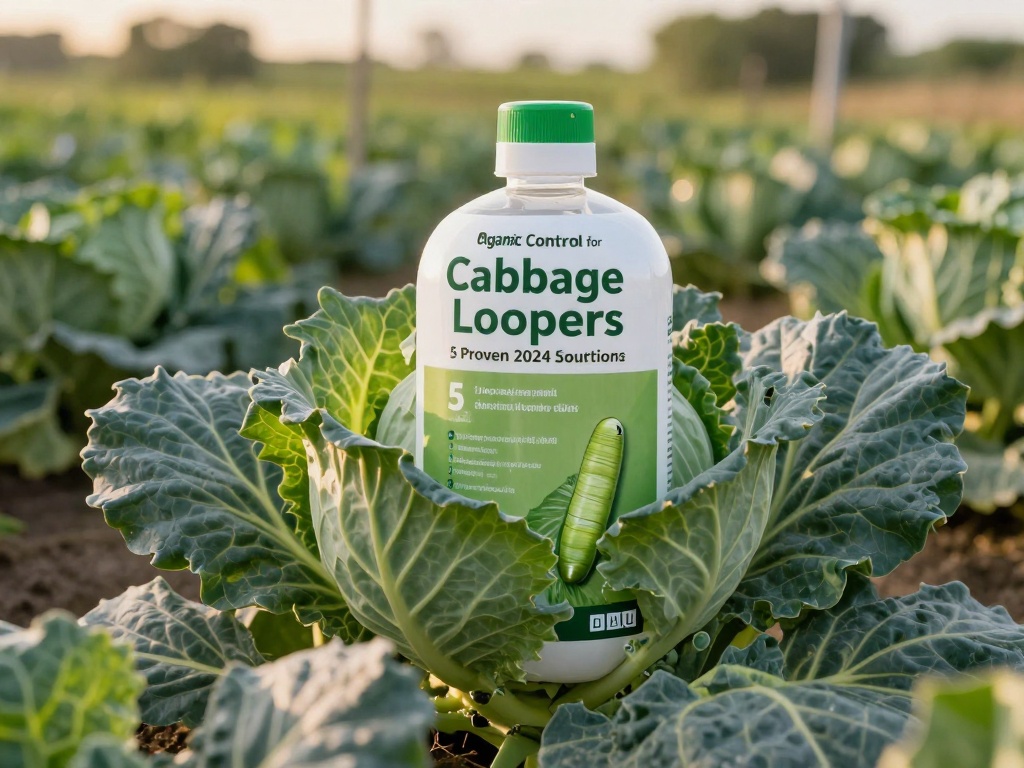
Organic Pest Control for Cabbage Loopers: 5 Proven 2024 Solutions
Cabbage loopers are one of the most destructive pests for brassica crops like cabbage, kale, broccoli, and Brussels sprouts. If left unchecked, these green, looping caterpillars can strip entire plants of their leaves in just a few days, ruining your harvest. Organic pest control for cabbage loopers offers a safe, sustainable way to manage infestations without exposing your garden or local ecosystem to harsh synthetic chemicals.

What Are Cabbage Loopers?
Identification & Life Cycle
Cabbage loopers are the larvae of the cabbage looper moth, a small brownish-gray moth with a 1.5-inch wingspan. The caterpillars are pale green with white stripes along their sides, and they move in a characteristic looping motion because they lack legs in the middle of their bodies. Adult moths lay tiny, round, yellow eggs on the undersides of brassica leaves, which hatch in 3 to 5 days.
Signs of Cabbage Looper Damage
The most obvious sign of cabbage looper infestation is irregular, large holes in the leaves of your brassica plants. You may also spot dark, pellet-like frass (caterpillar droppings) on leaves or around the base of plants. Severe infestations can defoliate entire plants, leaving only tough stems behind, which stunts growth and reduces crop yields.
5 Effective Organic Pest Control Methods for Cabbage Loopers
1. Handpicking & Physical Removal
Handpicking is one of the simplest and most effective organic pest control methods for cabbage loopers, especially for small home garden plots. Check the undersides of leaves early in the morning or late in the evening, when loopers are most active. Drop any caterpillars or egg masses you find into a bucket of soapy water to kill them instantly. This method works best for low-to-moderate infestations.
2. Beneficial Insect Releases
Many beneficial insects prey on cabbage loopers and their eggs, making them a natural, long-term solution for pest control. Trichogramma wasps, tiny parasitic wasps, lay their eggs inside looper eggs, preventing them from hatching. Ladybugs, lacewings, and parasitic flies also feed on looper caterpillars. Purchase beneficial insects from a reputable supplier and release them at the first sign of an infestation, following the supplier’s application instructions.
3. Organic Sprays & Dusts
Several organic sprays and dusts are approved for use in sustainable gardening, and many are recommended by the University of California Integrated Pest Management (UC IPM) program. Bacillus thuringiensis (Bt) is a soil bacteria that only affects caterpillars, making it a safe choice for pollinators and beneficial insects. Neem oil acts as a repellent and disrupts the feeding and growth of young loopers. Pyrethrins, derived from chrysanthemums, are a contact spray that kills loopers on contact, but use them sparingly to avoid harming beneficial insects.
4. Crop Rotation & Companion Planting
Crop rotation is a key preventive organic pest control tactic for cabbage loopers. Avoid planting brassica crops in the same spot for at least two years, as loopers overwinter in soil and crop residue. Companion planting can also repel adult cabbage looper moths: mint, rosemary, thyme, and marigolds are all effective repellents. You can also plant trap crops like mustard greens, which attract moths to lay eggs, then remove and destroy the trap crop before the larvae hatch.
5. Floating Row Covers
Floating row covers are a physical barrier that prevents adult cabbage looper moths from laying eggs on your brassica plants. Use lightweight, breathable fabric covers installed immediately after planting, securing the edges with soil or clips to keep moths out. Remember to remove the covers during bloom to allow honeybees and other pollinators access to your plants.
Long-Term Prevention for Cabbage Looper Infestations
Beyond active pest control, there are several steps you can take to prevent cabbage looper infestations from occurring in the first place. Clean up all garden debris and crop residue in the fall, as loopers overwinter in dead plant material. Inspect any new transplants before adding them to your garden to avoid introducing infested plants. You can also plant brassica crops later in the season to avoid peak adult moth flight periods, which typically occur in late spring and early summer.
FAQ About Organic Pest Control for Cabbage Loopers
How do I get rid of cabbage loopers naturally?
Start with handpicking caterpillars and egg masses off leaves, dropping them into soapy water to kill them. Release beneficial Trichogramma wasps to target looper eggs, and apply Bacillus thuringiensis (Bt) spray to young caterpillars for effective, organic control.
Will neem oil kill cabbage loopers?
Neem oil is not a direct fast-acting killer, but it disrupts the feeding and growth of young cabbage loopers while repelling adult moths from laying eggs on your plants. It works best when applied early in an infestation.
When is the best time to treat cabbage loopers?
Treat cabbage loopers as soon as you spot small caterpillars or yellow egg masses on the undersides of leaves. Apply treatments in early morning or late evening to avoid harming active pollinators like honeybees.
What crops are most vulnerable to cabbage loopers?
All brassica vegetable crops are vulnerable, including cabbage, kale, broccoli, Brussels sprouts, cauliflower, and collard greens. Loopers may also occasionally feed on other leafy vegetables like lettuce, but brassicas are their primary target.
No comments