
Organic Cutworm Control for Cabbage Transplants: 7 Tips
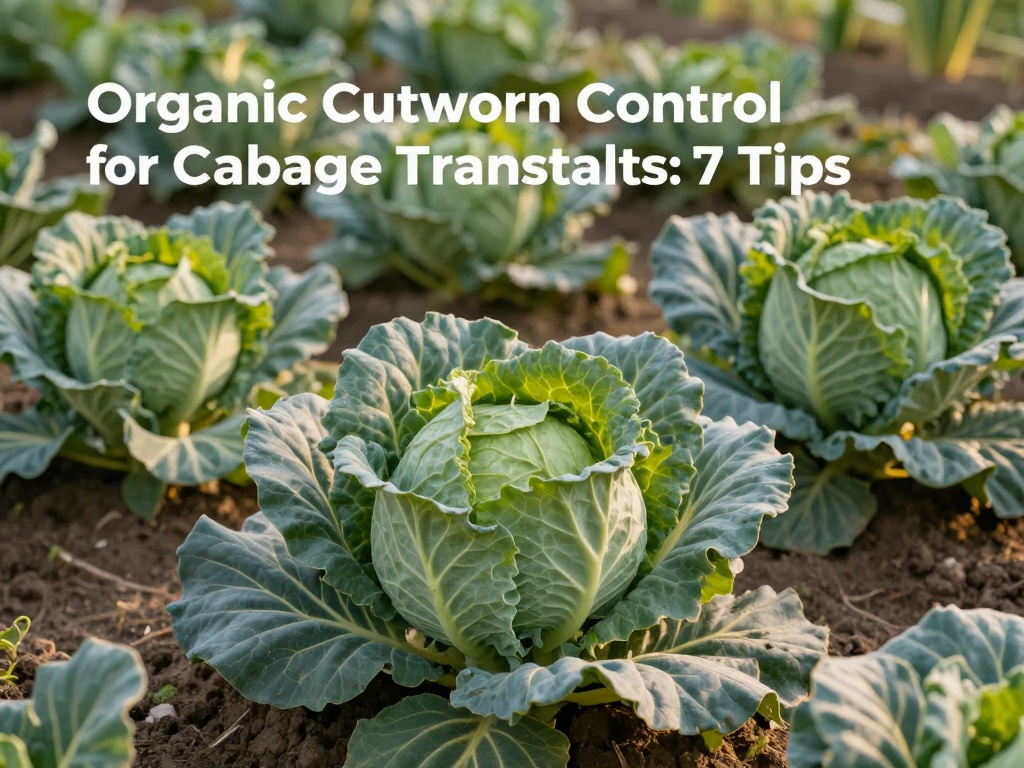
Organic Cutworm Control for Cabbage Transplants: 7 Tips
Young cabbage transplants are among the most vulnerable targets for cutworms, greasy brown larvae that sever tender stems overnight and destroy newly planted gardens. These pests overwinter in soil debris before emerging as moths in early spring, laying eggs that hatch into hungry larvae just as gardeners set out brassica transplants. Learning organic cutworm control for cabbage transplants lets you protect your crop without harsh synthetic chemicals, preserving a safe, healthy garden for both edible produce and beneficial insects.
What Are Cutworms and Why They Target Cabbage Transplants?
Cutworms are the larval stage of several species of noctuid moths. Most species grow 1 to 2 inches long, with smooth, greasy bodies ranging in color from tan to dark brown. They feed exclusively on the stems and foliage of young, tender plants, making newly set cabbage transplants a prime food source.
Unlike many garden pests, cutworms feed almost entirely at night, hiding in the top layer of soil during the day. You may notice cleanly severed cabbage stems at soil level in the morning, the most obvious sign of a cutworm infestation.
7 Organic Cutworm Control Methods for Cabbage Transplants
1. Cardboard Collar Barriers (Most Reliable DIY Option)
Cardboard collars are the gold standard for organic cutworm control for cabbage transplants, creating a physical barrier that prevents larvae from reaching transplant stems. To make a collar, cut a 3-inch wide strip of cardboard or toilet paper roll, then bend it into a ring and push 1 inch into the soil around each transplant, leaving 2 inches above ground.
 This barrier is low-cost, long-lasting, and completely non-toxic to all garden life. Replace collars if they break down over the growing season.
2. Beneficial Nematodes
Beneficial nematodes, specifically Steinernema carpocapsae, are microscopic roundworms that parasitize and kill cutworm larvae without harming plants, earthworms, or beneficial insects. Mix the nematodes with water according to the product label, then drench the soil around the base of each cabbage transplant.
According to the University of California Integrated Pest Management (UC IPM) program, nematodes are most effective when applied to moist soil in early morning or late evening, as they dry out quickly in direct sunlight. Reapply every 7 to 10 days for severe infestations.
3. Handpicking Cutworms
Handpicking is an effective organic cutworm control method for small home gardens, as it targets larvae directly without any chemicals. Grab a flashlight and head out to your cabbage beds 1 to 2 hours after sunset, when cutworms are most active.
Look for larvae crawling on the soil surface or hiding under plant debris around transplant bases. Drop any cutworms you find into a bucket of soapy water to kill them instantly. Repeat this process 2 to 3 times per week for best results.
4. Food-Grade Diatomaceous Earth
Food-grade diatomaceous earth (DE) is a powdery substance made from fossilized aquatic organisms. Its sharp microscopic edges cut through the exoskeleton of cutworm larvae, causing dehydration and death within a few days.
Sprinkle a 2-inch wide band of DE around the base of each cabbage transplant, taking care to cover the soil directly against the stem. Reapply DE after every rain or watering, as moisture renders the powder ineffective. Wear a mask to avoid inhaling the dust when applying.
5. Bacillus thuringiensis (Bt)
Bacillus thuringiensis kurstaki (Bt) is a natural soil bacterium that produces proteins toxic to young cutworm larvae. Mix Bt with water according to the product instructions, then spray the solution directly onto the soil and stems of your cabbage transplants in the early evening.
Larvae will stop feeding within 24 hours of ingesting Bt, and will die within a few days. Bt is only effective against young larvae, so apply it as soon as you notice signs of cutworm activity or when you first set out transplants. The USDA recommends Bt as a safe organic pest control option for home gardens.
6. Crop Rotation
Crop rotation is a long-term organic cutworm control strategy that disrupts the pest’s lifecycle. Cutworms overwinter in soil, so avoid planting cabbage or other brassica crops (like broccoli, kale, or cauliflower) in the same spot for 2 to 3 consecutive years.
Instead, plant non-host crops like grasses, legumes, or root vegetables in infested areas to reduce cutworm populations over time. Pair crop rotation with tilling in fall and spring to expose overwintering larvae to birds and other predators.
7. Attract Natural Predators
Cutworms have several natural predators that can help keep their populations in check without any human intervention. Ground beetles, parasitic wasps, songbirds, and frogs all feed on cutworm larvae and eggs.
Plant flowering herbs like dill, fennel, and marigolds around your cabbage beds to attract these beneficial insects and animals. Avoid using broad-spectrum pesticides, as these will kill both pests and their natural predators.
How to Prevent Cutworm Infestations on Cabbage Transplants
The best way to manage cutworms is to prevent infestations before they start. Start by inspecting all transplants carefully before setting them out, checking soil and stem crevices for eggs or young larvae.
Use clean, sterile potting soil for starting transplants, and avoid using garden soil that may contain overwintering cutworm larvae. Raised beds can also help reduce cutworm access, as they create a physical barrier between soil-dwelling pests and transplant stems.
Till your garden beds in fall and early spring to expose overwintering larvae to cold temperatures and natural predators, reducing their population before the growing season begins.
Frequently Asked Questions About Organic Cutworm Control for Cabbage Transplants
How do I identify cutworm damage on cabbage transplants?
The most common sign of cutworm damage is cleanly severed cabbage stems at soil level, usually noticed in the morning after larvae fed overnight. You may also find wilted, collapsed seedlings, or small, greasy brown larvae hiding in the top layer of soil around transplant bases during the day.
Can coffee grounds work for organic cutworm control on cabbage transplants?
Yes, food-grade coffee grounds can create a rough, abrasive barrier around transplant stems that deters cutworms from feeding. Sprinkle a 2-inch layer of coffee grounds around the base of each transplant, and reapply after rain or watering to maintain the barrier. While less effective than cardboard collars, coffee grounds also add organic matter to the soil as they break down.
When is the best time to apply organic cutworm control methods?
Apply organic cutworm control methods immediately after setting out your cabbage transplants, as this is when cutworm larvae are most active and likely to target tender young stems. For sprays like Bt or diatomaceous earth, apply in the early evening when cutworms begin feeding to maximize effectiveness.
No comments