
Late Blight Prevention for Tomato Plants: 7 Proven Tips
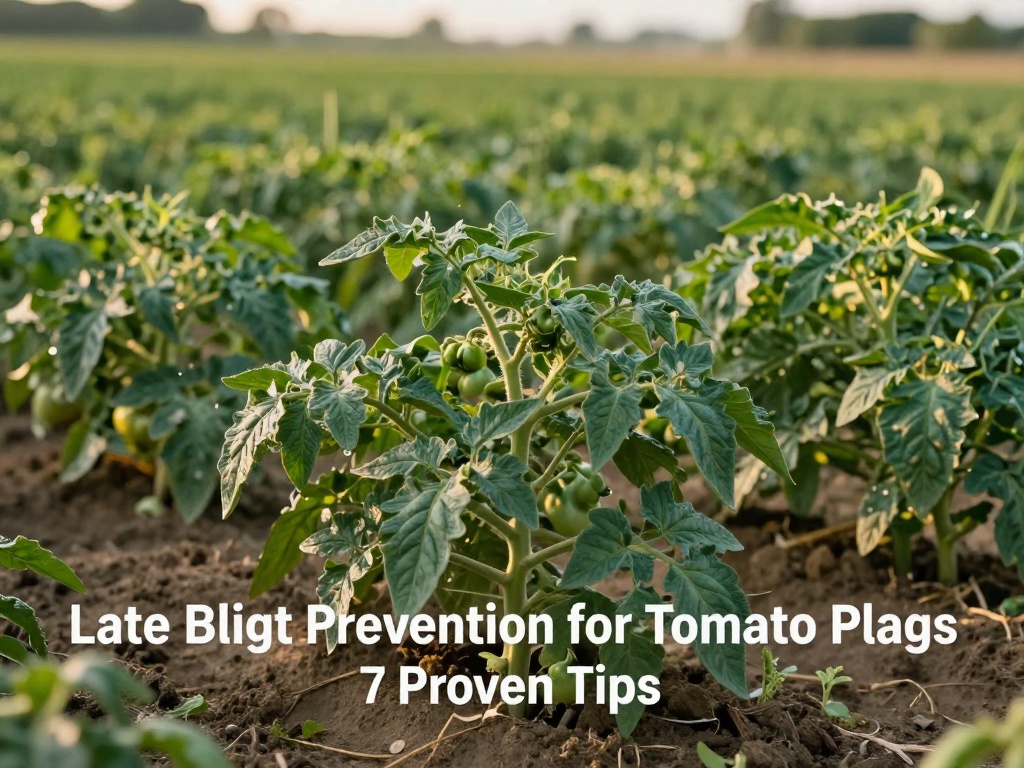
Late Blight Prevention for Tomato Plants: 7 Proven Tips
Late blight prevention for tomato plants is critical for home gardeners and commercial farmers alike, as this destructive fungal-like disease can wipe out an entire tomato crop in days under ideal conditions. Caused by the pathogen Phytophthora infestans — the same organism that triggered the Irish potato famine — late blight spreads rapidly via airborne spores, making proactive prevention far more effective than treating an active infection.

What Is Late Blight on Tomato Plants?
Late blight first appears as small, dark, water-soaked spots on tomato leaves, which quickly expand into brown, papery lesions. During humid weather, white, fuzzy mold grows on the undersides of infected leaves, and stems can develop dark, sunken lesions that girdle the plant. Fruit lesions are hard, brown, and irregular, rendering affected tomatoes inedible.
Unlike many tomato diseases, late blight thrives in cool, moist conditions between 60 and 75°F, with prolonged leaf wetness from rain, dew, or overhead watering. This makes spring and fall tomato crops especially vulnerable to infection.
7 Key Late Blight Prevention Tips for Tomato Plants
Choose Resistant Tomato Varieties
Select tomato cultivars labeled as late blight resistant, such as 'Iron Lady', 'Defiant PhR', and 'Jasper'. These varieties have been bred to trigger natural defenses against Phytophthora infestans spores, reducing your prevention workload significantly. Always check seed packets or plant tags for resistance labels before purchasing new plants.
Practice Crop Rotation
Avoid planting tomatoes, potatoes, peppers, or eggplants — all members of the nightshade family — in the same garden bed for at least 3 to 4 years. Crop rotation disrupts the life cycle of late blight spores, which can overwinter in soil and leftover plant debris.
Optimize Your Watering Routine
Overhead watering increases leaf wetness, creating the perfect environment for late blight spores to germinate and spread. Instead, water at the base of tomato plants using a soaker hose or drip irrigation system. Water early in the day so any splashed foliage or soil dries quickly before nighttime.
Improve Air Circulation Around Plants
Space tomato plants 24 to 36 inches apart to allow ample air flow between foliage, which reduces humidity around the plants and dries excess moisture quickly. Prune off suckers and lower, shaded leaves to open up the plant canopy, letting sunlight and wind reach inner branches.
Use Mulch to Prevent Soil Splatter
Apply a 2 to 3 inch layer of organic mulch, such as straw, grass clippings, or shredded leaves, around the base of each tomato plant. Mulch stops soil-borne late blight spores from splashing onto lower leaves during rain or watering, a common route of disease spread.
Apply Preventative Fungicides
For gardeners in high-risk growing areas or seasons with frequent, heavy rain, use preventative fungicides labeled for late blight control. Products containing copper sulfate or chlorothalonil can be applied every 7 to 10 days during cool, wet weather. Always follow label instructions and avoid applying treatments when bees are actively foraging.
Maintain Strict Garden Sanitation
Remove and destroy any fallen leaves, stems, or fruit immediately if you spot signs of late blight. Do not compost infected plant material, as spores can survive the composting process and spread to future crops. Disinfect garden tools between uses with a 10% bleach solution to avoid spreading spores to healthy plants.
What to Do If Late Blight Still Appears
Even with strict prevention protocols, late blight can sometimes take hold. At the first sign of symptoms, snip off all infected plant parts and dispose of them in a sealed trash bag, not a compost bin. Avoid working in the garden when foliage is wet, as this can easily spread spores to healthy plants.
If the infection spreads to a large portion of the crop, pull up entire infected plants and destroy them immediately. This stops the disease from spreading to nearby tomato or nightshade crops.
Frequently Asked Questions About Late Blight Prevention for Tomato Plants
What’s the difference between late blight and early blight on tomato plants?
Early blight is caused by the fungus Alternaria solani and thrives in hot, dry conditions, while late blight prefers cool, moist weather. Early blight creates target-shaped lesions on leaves and fruit, whereas late blight causes fast-spreading water-soaked spots and white fuzzy mold on foliage.
Can late blight spread to other plants besides tomatoes?
Yes, late blight can infect other nightshade crops, including potatoes, peppers, and eggplants. It can also survive on wild nightshade weeds, which act as a reservoir for spores and can reintroduce the disease to your garden each season.
Can I eat tomatoes from plants with late blight?
Tomatoes with visible late blight lesions should never be eaten, as the pathogen can produce harmful toxins and the fruit will be inedible. Even fruit without visible lesions may carry dormant spores, so it’s safest to discard any tomatoes from plants showing late blight symptoms.
How long do late blight spores survive in soil?
Late blight spores typically survive in soil and plant debris for 1 to 2 years without a host nightshade plant. Crop rotation and regular garden sanitation help reduce spore levels over time, making future crops less vulnerable.
No comments