
Organic Pest Control for Carrot Flies: 7 Effective 2024 Guide
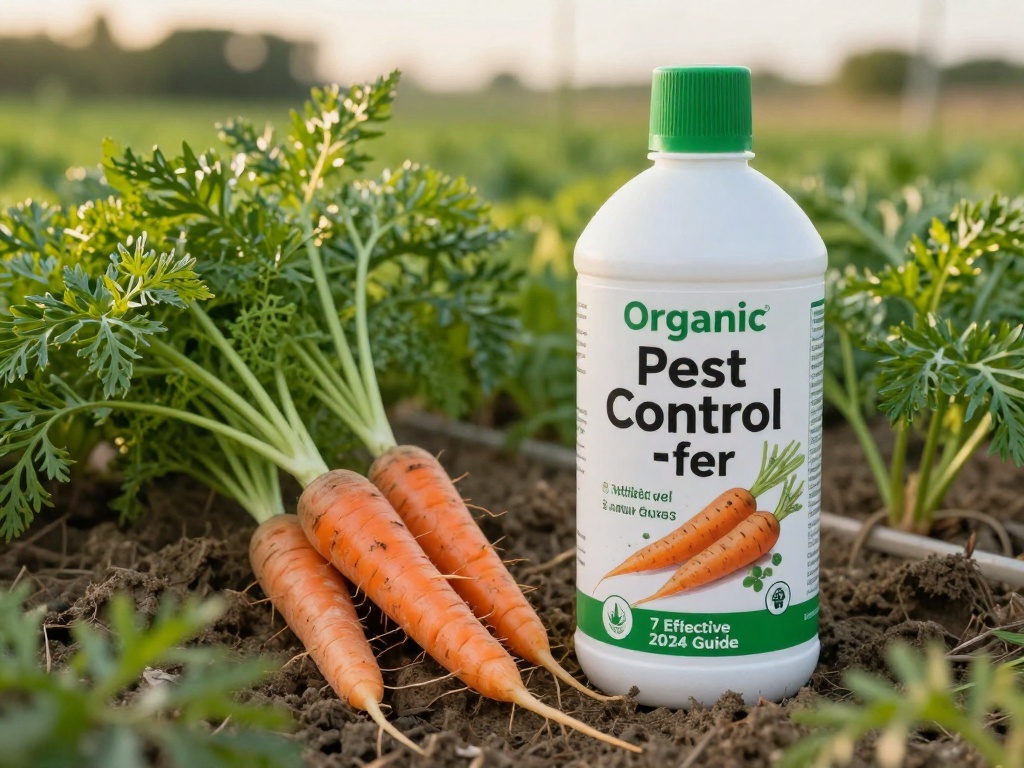
Organic Pest Control for Carrot Flies: 7 Effective 2024 Guide
Carrot flies are one of the most frustrating pests for home and commercial carrot growers alike. For organic growers who avoid synthetic pesticides, organic pest control for carrot flies is non-negotiable to protect your apiaceous crop. These small, dark flies lay eggs at the base of carrot plants, and their larvae tunnel through the crunchy roots, ruining harvests and making produce unmarketable. This guide breaks down seven proven, eco-friendly methods to keep carrot flies at bay and grow healthy, undamaged carrots this season.
What Are Carrot Flies and Why They Damage Your Crop
Carrot flies (Psila rosae) are tiny, black-bodied flies common in temperate regions worldwide. Adult flies emerge in spring after overwintering as larvae in soil. They lay small, white eggs at the base of carrot, parsnip, and celery plants. Within a week, the eggs hatch into legless, creamy-white larvae that burrow into carrot roots.
Damaged carrots develop brown, winding tunnels, become bitter, and are prone to rot. Even minor infestations can reduce harvest yields by up to 80%, according to the Royal Horticultural Society (RHS). Unlike synthetic pesticides, organic pest control for carrot flies targets the pest’s lifecycle without harming beneficial insects, soil health, or your food supply.

7 Organic Pest Control for Carrot Flies Methods
1. Crop Rotation
Crop rotation is the foundation of organic pest management, and it’s highly effective for carrot flies. Avoid planting carrots or other apiaceous crops (parsnips, celery, cilantro) in the same spot for 2–3 consecutive years. Instead, rotate with non-host crops like brassicas (cabbage, broccoli) or solanaceous veggies (tomatoes, peppers).
This disrupts the carrot fly’s lifecycle, as adults cannot find their preferred host plants in overwintered soil. The RHS names crop rotation as one of the top organic pest control for carrot flies strategies for small-scale growers.
2. Fine Mesh Netting
Physical barriers are one of the most reliable organic pest control for carrot flies methods. Use 0.6mm ultra-fine mesh netting to cover entire carrot rows immediately after planting. Secure the netting tightly to the soil with stakes or soil edges to prevent adult flies from slipping through gaps.
Leave the netting in place for the entire growing season, as even a single week of exposure can lead to a major infestation. You can cut small holes in the netting to thin seedlings as they grow.

3. Companion Planting
Companion planting uses strong-scented plants to mask the scent of carrot plants, making it harder for carrot flies to locate their host crop. Top companion plants for organic pest control for carrot flies include onions, garlic, chives, rosemary, sage, and French marigolds.
Plant these crops around the perimeter of your carrot rows or interplant them between carrot hills. The University of California Master Gardeners note that this method can reduce carrot fly infestations by 50% or more in small gardens.
4. Trap Crops
Trap crops lure carrot flies away from your main carrot harvest. Plant a small, early maturing crop of fast-growing carrots or parsnips 2–3 weeks before your main crop. Once adult flies lay eggs on the trap crop, pull and destroy the entire trap crop (including soil around the roots) before the larvae hatch.
This redirects egg-laying away from your primary carrot plants, protecting your main harvest.
5. Organic Soil Mulching
A 2–3 inch layer of straw, hay, pine needles, or shredded leaves creates a physical barrier between adult carrot flies and the soil at the base of carrot plants. This prevents flies from laying eggs near the roots of your crop.
Mulch also helps retain soil moisture, suppresses weeds, and improves soil health as it breaks down. Avoid using fresh grass clippings, as they can mat down and create a moist environment that attracts pests.
6. Beneficial Insects and Nematodes
Introducing beneficial organic pest control agents targets carrot fly larvae directly in the soil. Parasitic wasps (Trybliographa rapae) lay eggs inside carrot fly larvae, killing them before they can damage roots. You can purchase these wasps from organic gardening suppliers and release them according to package instructions.
Steinernema feltiae nematodes are another effective option: these microscopic worms burrow into carrot fly larvae and release bacteria that kill the pest. Drench the soil with nematode solution in spring and fall for best results.
7. Homemade Organic Repellent Sprays
Homemade sprays can supplement other organic pest control for carrot flies methods. Mix 2 cups of chopped garlic or onion with 1 gallon of water, let the mixture steep overnight, then strain and spray on carrot foliage and soil every 7–10 days.
Neem oil spray is another effective option: mix 1 teaspoon of neem oil with 1 quart of water and a few drops of dish soap, then spray the soil and foliage. Avoid spraying in direct sunlight, as this can burn carrot leaves.
Year-Round Carrot Fly Prevention Tips
Beyond the seven methods above, you can take additional steps to reduce carrot fly populations year-round:
- Plant main carrot crops in late June or early July (Northern Hemisphere) to avoid peak adult fly activity in spring.
- Remove all crop debris immediately after harvest, as carrot flies can overwinter in leftover carrot roots and soil.
- Avoid over-fertilizing your carrot plants, as lush foliage can attract adult flies.
Common Mistakes to Avoid
Many organic growers make avoidable mistakes that reduce the effectiveness of their carrot fly control:
- Using coarse mesh netting (larger than 0.6mm) that allows adult flies to slip through.
- Failing to secure netting tightly to the soil, creating gaps where flies can enter.
- Planting carrots in the same spot year after year, allowing carrot fly populations to build up in the soil.
Frequently Asked Questions About Organic Pest Control for Carrot Flies
How do I identify carrot fly damage?
Look for brown, winding tunnels inside carrot roots, stunted plant growth, and yellowing foliage. You may also spot tiny, white legless larvae inside damaged roots. Infested carrots often rot quickly after harvest.
Can coffee grounds work for organic pest control for carrot flies?
Yes, coffee grounds can act as a mulch and repel adult carrot flies. Spread a 1-inch layer of coffee grounds around the base of your carrot plants, but note that their effectiveness is less well-studied than straw or pine needle mulch.
Are carrot flies harmful to humans?
No, carrot fly larvae do not transmit diseases to humans, but damaged carrots are unappetizing and may spoil quickly. Always inspect your harvest and discard any visibly damaged carrots.
When should I release beneficial nematodes for carrot flies?
Release Steinernema feltiae nematodes in spring when soil temperatures reach 50°F (10°C) and again in fall, 2–3 weeks after harvest. Apply the nematode solution to moist soil for best results.
Organic pest control for carrot flies doesn’t have to be complicated or expensive. By combining a few of these eco-friendly methods, you can protect your carrot crop and grow healthy, undamaged roots this season. Whether you use fine mesh netting, companion planting, or beneficial insects, you’ll avoid harsh chemicals and support a healthier garden ecosystem.
No comments