
7 Proven Organic Pest Control for Squash Bugs (2024 Guide)
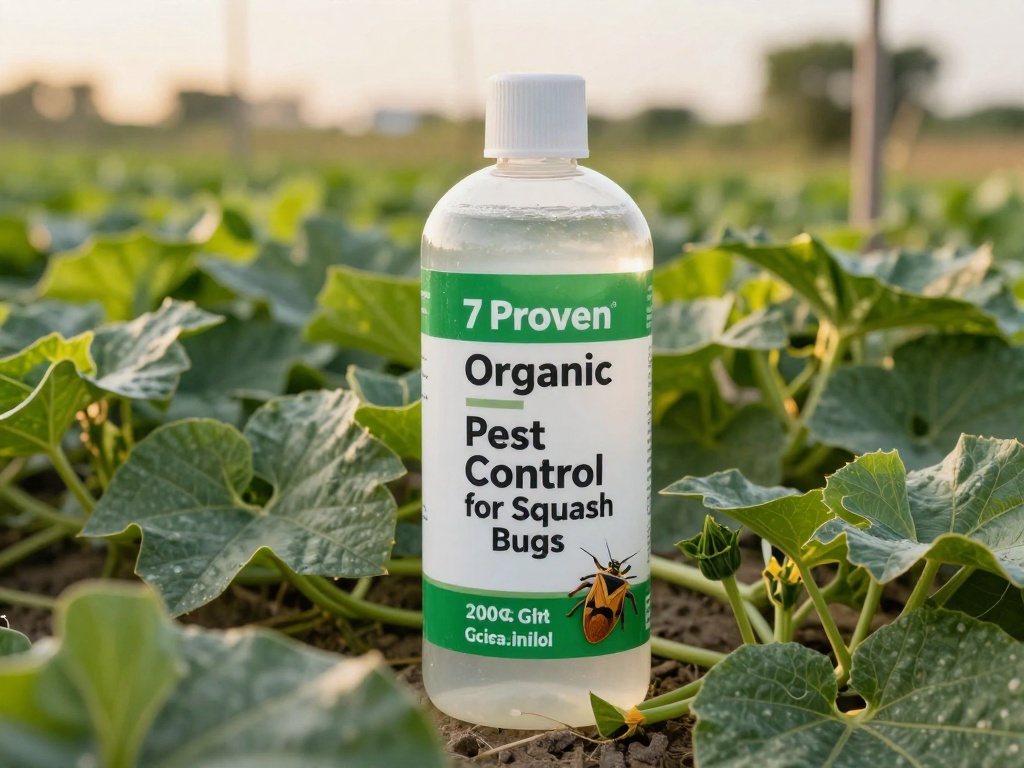
7 Proven Organic Pest Control for Squash Bugs (2024 Guide)
Squash bugs are one of the most frustrating pests for home vegetable gardeners who grow cucurbit crops like squash, zucchini, and pumpkins. These tiny, gray-brown insects feed on plant sap, weaken vines, and can even spread fatal bacterial diseases to your plants. Organic pest control for squash bugs offers a safe, sustainable way to protect your garden without harming beneficial pollinators, kids, or pets. All methods outlined here are based on guidelines from the Cornell Cooperative Extension and USDA Organic Farming Standards.
What Are Squash Bugs & Why They Damage Your Garden?
What Do Squash Bugs Look Like?
Adult squash bugs measure about 5/8 inch long, with flat, oval bodies and grayish-brown wings. They lay clusters of tiny, bronze-yellow eggs on the undersides of leaves, usually arranged in a triangular pattern. Nymphs are smaller, ranging in color from light green to gray, and mature through several growth stages before becoming full adults.
How Do Squash Bugs Harm Plants?
These pests pierce leaf and vine tissue to suck sap, causing yellow spots, wilting, and browning of foliage. Severe infestations can kill young seedlings and reduce yields on mature plants. Squash bugs also transmit Cucurbit Yellow Vine Disease, a bacterial infection that can quickly destroy entire squash patches.
7 Proven Organic Pest Control for Squash Bugs
1. Handpick Squash Bugs and Egg Clusters
This is the simplest, most hands-on organic control method. Check your squash plants daily, especially the undersides of leaves, for egg clusters and adult bugs. Drop any pests you find into a bucket of soapy water to kill them instantly. Do this early in the morning when squash bugs are slow-moving and less likely to scatter.
2. Use Floating Row Covers to Block Adult Bugs
Floating row covers are lightweight, breathable fabrics that create a physical barrier between your squash plants and squash bugs. Install them right after planting your seeds or seedlings, and secure the edges with soil or staples to prevent bugs from slipping underneath. Remove the covers once plants start flowering to allow pollinators access to your blooms.
3. Apply Food-Grade Diatomaceous Earth
Food-grade diatomaceous earth (DE) is a natural powder made from fossilized aquatic organisms. It scratches the waxy outer layer of squash bugs, causing them to dehydrate and die. Sprinkle a thin layer of DE around the base of your plants and on the undersides of leaves. Reapply after rain or heavy watering, and avoid applying it when bees are active.
4. Use Cold-Pressed Neem Oil
Cold-pressed neem oil is a natural insecticide that repels and kills squash bugs by disrupting their feeding and growth habits. Mix 1 teaspoon of neem oil with 1 quart of water and a few drops of mild dish soap to help the oil emulsify, then spray the solution on the tops and undersides of leaves. Apply in the early morning or late evening to avoid harming beneficial pollinators, and repeat every 7-10 days.
5. Plant Trap Crops to Draw Squash Bugs Away
Trap crops are sacrificial plants that attract squash bugs away from your main squash varieties. Blue Hubbard squash is a popular trap crop, as it is more attractive to squash bugs than zucchini or summer squash. Plant the trap crop a few weeks before your main squash planting, then remove and destroy infested trap crop plants once bugs gather on them.
6. Introduce Beneficial Insects
Several beneficial insects prey on squash bugs, including parasitic wasps, ladybugs, and ground beetles. You can purchase these insects from garden supply stores and release them in your garden to naturally control squash bug populations. You can also attract native beneficial insects by planting nectar-rich flowers like marigolds, cosmos, and dill around your squash patch.
7. Rotate Crops to Break the Pest Life Cycle
Squash bugs overwinter in garden debris and soil, so rotating your cucurbit crops to a different spot in your garden each year can help break their life cycle. Avoid planting squash, zucchini, pumpkins, or cucumbers in the same spot two years in a row. This reduces the number of overwintering bugs that will emerge in spring to attack your new plants.
How to Prevent Future Squash Bug Infestations
Clean Up Garden Debris Each Fall
Squash bugs overwinter in leaf litter, plant stalks, and garden soil. Remove all crop debris at the end of the growing season, and till the top 2 inches of soil to expose overwintering bugs to predators and harsh winter weather.
Choose Resistant Squash Varieties
Some squash varieties are naturally more resistant to squash bugs, including butternut squash, acorn squash, and zucchini cultivars like 'Black Beauty' and 'Fortune'. Research resistant varieties before planting to reduce your risk of infestation.
Frequently Asked Questions About Organic Pest Control for Squash Bugs
What kills squash bugs instantly organically?
A mixture of mild dish soap and water, or food-grade diatomaceous earth, will kill squash bugs on contact. Handpicking bugs into a bucket of soapy water is also a fast, organic way to eliminate adult pests.
Can vinegar kill squash bugs?
While white vinegar can kill squash bugs on contact, it can also damage your plant leaves if used undiluted. Dilute vinegar with equal parts water, and spot-treat only infested areas to avoid harming your squash plants.
When is the best time to treat for squash bugs?
The best time to treat squash bugs is early in the growing season, right after seedlings emerge or when you first spot adult bugs or egg clusters. Catching infestations early makes control much easier and more effective.
Do squash bugs bite humans?
Squash bugs do not typically bite humans, though they may pinch if handled roughly. They do not transmit diseases to people, making them a pest focused solely on damaging garden plants.
Organic pest control for squash bugs doesn’t have to be complicated or expensive. By combining these proactive, eco-friendly methods, you can protect your squash, zucchini, and pumpkin plants without relying on harsh synthetic chemicals. Start with prevention, and act quickly at the first sign of an infestation to keep your garden thriving all season long.
No comments