
Organic Fungicide for Zucchini Powdery Mildew: 7 Effective Solutions
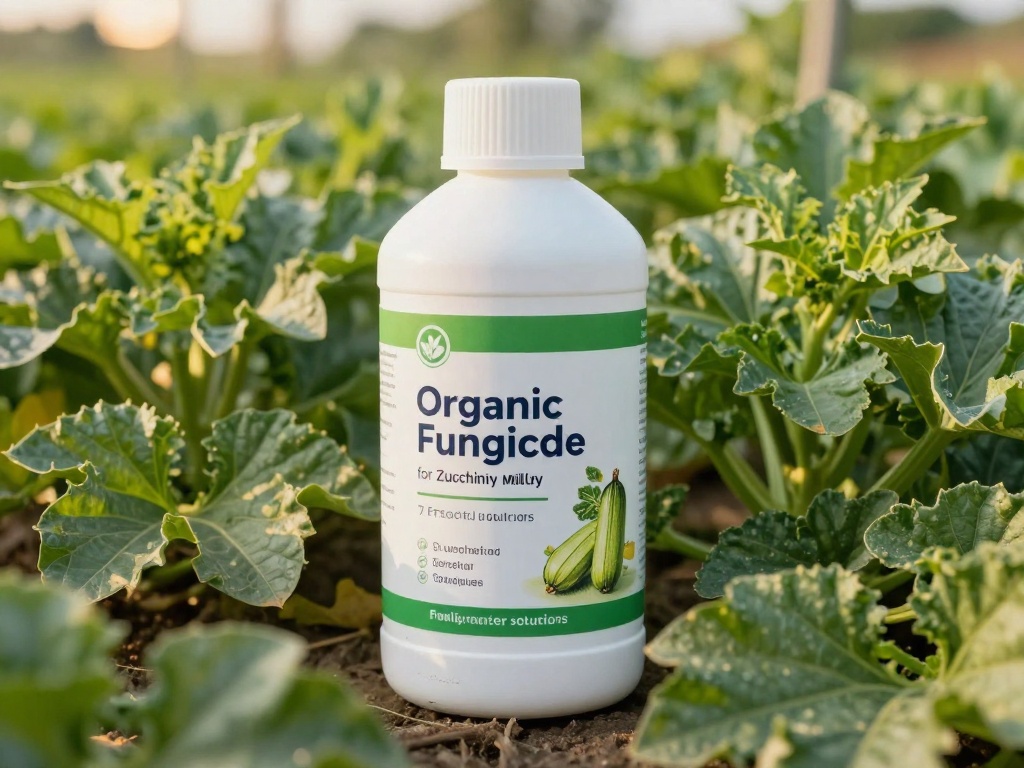
Organic Fungicide for Zucchini Powdery Mildew: 7 Effective Solutions
Zucchini plants are a beloved staple in home vegetable gardens, but they’re highly vulnerable to powdery mildew—a common fungal disease that leaves a white, powdery coating on leaves, stems, and even fruit. Using organic fungicide for zucchini powdery mildew is a safe, eco-friendly way to safeguard your crop without exposing your garden, family, or pollinators to harsh synthetic chemicals.
What Is Zucchini Powdery Mildew?
Identifying the Fungal Threat
Powdery mildew thrives in warm, humid conditions with poor air circulation. Early signs include small, white spots on upper leaf surfaces that spread to cover entire leaves. Severe infections cause leaves to yellow, curl, and drop prematurely, reducing zucchini yields drastically. Cornell Cooperative Extension notes that this fungal disease is one of the most common issues facing summer squash growers.
Why Choose Organic Fungicides for Zucchini Powdery Mildew?
Unlike synthetic fungicides, organic options break down quickly in the environment, leaving no harmful residue on edible zucchini. They’re also safe for beneficial pollinators like bees and butterflies, which are critical for vegetable garden production. Many organic treatments use common household ingredients, making them affordable and accessible for home gardeners.
7 Effective Organic Fungicide Treatments for Zucchini Powdery Mildew
1. Baking Soda Spray
A simple DIY option, baking soda alters the pH of leaf surfaces to inhibit fungal growth. Mix 1 tablespoon of baking soda with 1 gallon of water, plus 1 teaspoon of mild liquid castile soap to help the spray adhere to leaves. Apply every 7 to 10 days, focusing on the undersides of leaves where mildew often hides.
2. Neem Oil
Derived from the neem tree, neem oil disrupts fungal cell structure and repels insect pests. Mix 2 teaspoons of cold-pressed neem oil with 1 gallon of water and 1 teaspoon of castile soap. Apply in the early morning or late evening to avoid burning leaves in direct sunlight.
3. Milk Spray
Studies from the University of Wisconsin-Madison found that a 10% milk solution effectively suppresses powdery mildew. Mix 1 part whole milk with 9 parts water, then spray liberally on infected plants. Repeat every 7 days for best results.
4. Organic Copper Sulfate
Certified organic copper sulfate is a broad-spectrum fungicide that controls powdery mildew and other fungal diseases. Follow label directions carefully, as overuse can damage plant tissue. Apply during dry, calm weather to avoid runoff.
5. Potassium Bicarbonate
Like baking soda, potassium bicarbonate kills existing powdery mildew spores on contact. Mix 4 teaspoons of potassium bicarbonate with 1 gallon of water and 1 teaspoon of castile soap. This treatment is more effective than baking soda for severe infections.
6. Garlic Pepper Spray
A homemade repellent that deters fungal growth and insect pests. Blend 2 bulbs of garlic, 1 tablespoon of hot pepper flakes, and 1 quart of water, then let the mixture steep overnight. Strain, add 1 gallon of water and 1 teaspoon of castile soap, then spray plants thoroughly.
7. Commercial Organic Fungicides
Products like Serenade ASO (containing Bacillus subtilis) are USDA-certified organic and proven to control powdery mildew. Follow the manufacturer’s application instructions for best results, and store according to label guidelines to maintain effectiveness.
Proven Prevention Tips for Zucchini Powdery Mildew
The best way to manage powdery mildew is to prevent it from taking hold. Follow these simple tips to protect your zucchini plants:
- Space plants 24 to 36 inches apart to improve air circulation
- Water at the base of plants instead of overhead to keep leaves dry
- Prune overcrowded foliage to increase airflow around individual plants
- Choose powdery mildew-resistant zucchini varieties like Defender or Senator
- Remove and destroy infected plant debris at the end of the growing season
Frequently Asked Questions About Organic Fungicide for Zucchini Powdery Mildew
How often should I apply organic fungicide to zucchini powdery mildew?
For active infections, apply every 7 to 10 days during warm, humid weather. Reapply immediately after heavy rain to refresh the protective coating on plant leaves.
Can I use organic fungicide on zucchini that’s ready to harvest?
Most organic fungicides are safe for use on edible zucchini if applied according to label directions. Always wash harvested zucchini thoroughly before eating to remove any residual spray.
Can I make my own organic fungicide for zucchini powdery mildew at home?
Yes! Many common household ingredients, including baking soda, milk, and garlic, make effective DIY organic fungicide treatments for zucchini powdery mildew.
What’s the best time of day to apply organic fungicide?
Apply treatments in the early morning or late evening to avoid sunburning leaves and to allow the spray to dry fully before nighttime humidity sets in.
No comments