
Organic Fungicide for Tomato Early Blight: 7 Effective 2024 Treatments
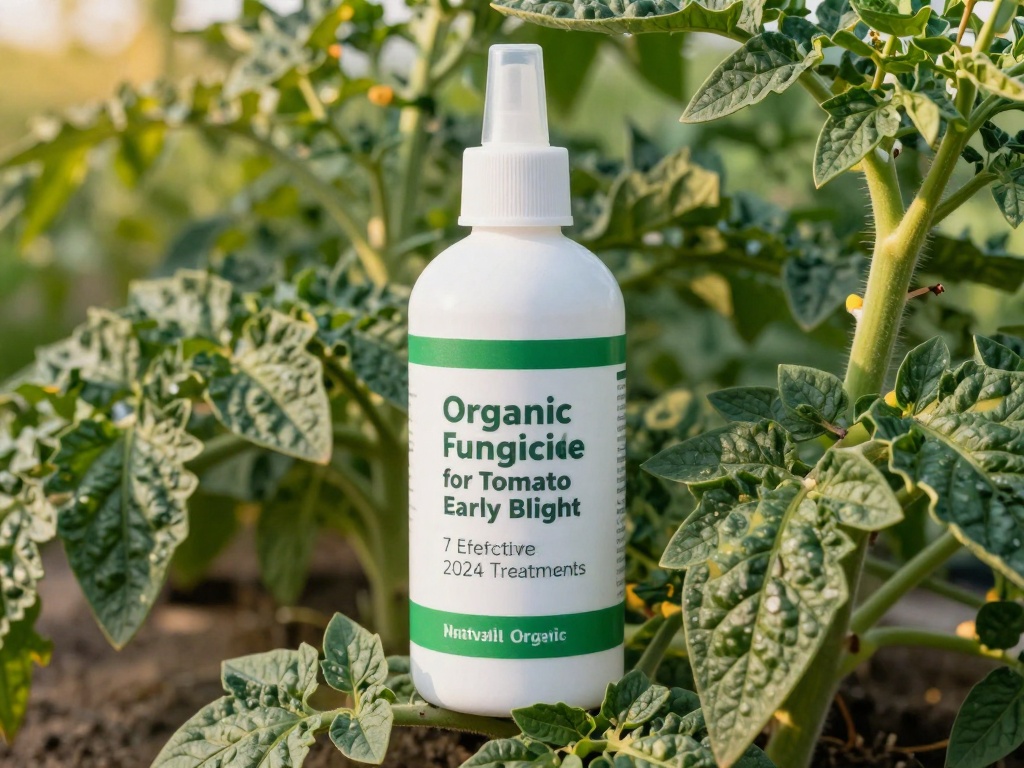
Organic Fungicide for Tomato Early Blight: 7 Effective 2024 Treatments
Tomato early blight, caused by the fungus Alternaria solani, is one of the most common and destructive diseases for home garden and commercial tomato growers alike. It causes dark, sunken lesions on leaves, stems, and fruit, leading to defoliation and reduced yields. Synthetic fungicides can control the disease, but many gardeners prefer organic fungicide for tomato early blight to avoid chemical residues, protect beneficial pollinators, and support long-term soil health. This guide breaks down everything you need to know to fight early blight with safe, effective organic solutions.
What Is Tomato Early Blight?
Early blight thrives in warm, humid conditions with temperatures between 75 and 85°F. The fungus overwinters in plant debris and soil, then spreads via water splashes, wind, and contaminated gardening tools.
Early signs include small, dark brown spots on lower leaves that expand into concentric rings, giving them a target-like appearance. Severe infections cause leaves to yellow, wilt, and fall off, leaving fruit exposed to sunscald and further damage.
Why Choose Organic Fungicide for Tomato Early Blight?
Synthetic fungicides often contain harsh chemicals that can kill beneficial insects like bees and ladybugs, leave toxic residues on edible tomatoes, and harm soil microbiome over time. Organic fungicides for tomato early blight are made from natural, biodegradable ingredients that break down quickly without leaving harmful buildup.
They’re also safe for home gardeners, kids, and pets, making them an ideal choice for family gardens. Many organic options also double as plant fertilizers, supporting overall tomato growth as they fight disease.
7 Effective Organic Fungicide Treatments for Tomato Early Blight
1. Bordeaux Mixture (Copper Sulfate)
Bordeaux mixture, a combination of copper sulfate and hydrated lime, is a classic organic fungicide that prevents and treats early blight by blocking fungal spore germination. It’s most effective when applied before symptoms appear, but can also stop spread on existing infections.
To make it: Mix 4 tablespoons of copper sulfate and 4 tablespoons of hydrated lime into 1 gallon of water. Spray the entire plant, including undersides of leaves, every 7 to 10 days during humid weather.
2. Neem Oil
Cold-pressed neem oil contains azadirachtin, a natural compound that disrupts fungal cell membranes and repels insect pests that spread disease. It’s safe for most beneficial insects when applied in the early morning or late evening.
Mix 2 teaspoons of neem oil and 1 teaspoon of mild liquid castile soap into 1 quart of water. Shake well and spray all plant surfaces, repeating every 7 days.
3. Baking Soda Spray
Baking soda raises the pH of leaf surfaces, making it difficult for early blight fungus to survive. This affordable, household option is great for minor early blight infections.
Mix 1 tablespoon of baking soda and 1 teaspoon of castile soap into 1 gallon of water. Spray plants every 5 to 7 days, stopping 2 weeks before harvest.
4. Garlic-Chili Spray
This spicy organic spray repels fungal spores and discourages insect vectors like aphids. It’s made from natural ingredients and safe for use on all tomato varieties.
Blend 2 bulbs of garlic and 2 hot chili peppers with 1 quart of water, then let the mixture steep overnight. Strain, add 1 teaspoon of castile soap, and dilute with 2 quarts of water before spraying.
5. Hydrogen Peroxide
3% food-grade hydrogen peroxide kills fungal spores on contact and boosts plant oxygen levels to support immune function. It’s a gentle option for young tomato seedlings.
Mix 1 part 3% hydrogen peroxide with 3 parts water, then spray plants thoroughly. Repeat every 7 to 10 days as needed.
6. Serenade Garden (Bacillus amyloliquefaciens)
This commercial organic fungicide uses a beneficial bacterium that colonizes plant surfaces and outcompetes early blight fungus. It’s approved for organic gardening and safe for all stages of tomato growth.
Follow the manufacturer’s instructions for dilution rates, typically mixing 2 to 4 ounces of product per gallon of water. Apply every 7 to 14 days during high-risk conditions.
7. Milk Spray
Recent studies from Cornell University found that a 10% milk solution spray reduces early blight severity by stimulating the plant’s natural defense system. It’s a gentle, affordable option for home gardeners.
Mix 1 cup of whole milk with 9 cups of water, then spray plants every 7 to 10 days starting at transplanting.
How to Maximize Organic Fungicide Effectiveness
Even the best organic fungicide for tomato early blight won’t work well without proper application. Follow these tips for best results:
- Apply fungicides before symptoms appear, or at the first sign of spot formation
- Spray the undersides of leaves, where fungal spores often collect
- Repeat applications every 7 to 10 days during warm, humid weather
- Water tomato plants at the base, not overhead, to reduce moisture on leaves
- Stake or cage tomatoes to improve air circulation and reduce humidity around foliage
Long-Term Early Blight Prevention
Organic fungicides are a key part of early blight control, but prevention is the best strategy. Rotate tomato plants to a new garden spot each year, and avoid planting tomatoes in soil where solanaceous crops like peppers or potatoes grew in the past 3 years.
Remove and destroy all plant debris at the end of the growing season, and till soil to bury overwintering fungal spores. Choose resistant tomato varieties, like ‘Defiant’ or ‘Iron Lady’, to reduce disease risk.
FAQ About Organic Fungicide for Tomato Early Blight
Can I use organic fungicide to treat early blight already on my tomato plants?
Yes, many organic fungicides like copper sulfate and neem oil can stop the spread of early blight on existing infections, though severe cases may require repeated applications to fully clear the disease.
How often should I apply organic fungicide for tomato early blight?
Most organic fungicides need to be applied every 7 to 10 days during warm, humid weather when early blight is most active. Reduce applications to every 14 days during dry conditions.
Are organic fungicides safer than synthetic options for tomato early blight?
Yes, organic fungicides are made from natural, biodegradable ingredients that don’t leave toxic residues on edible fruit, harm beneficial pollinators, or damage soil health over time.
What’s the best organic fungicide for severe early blight cases?
Commercial options like Serenade Garden, which uses beneficial bacteria to outcompete fungal spores, are highly effective for severe early blight infections. Copper sulfate sprays are also a strong choice for widespread disease.
No comments