
7 Effective Organic Pest Control for Blueberry Fruit Flies
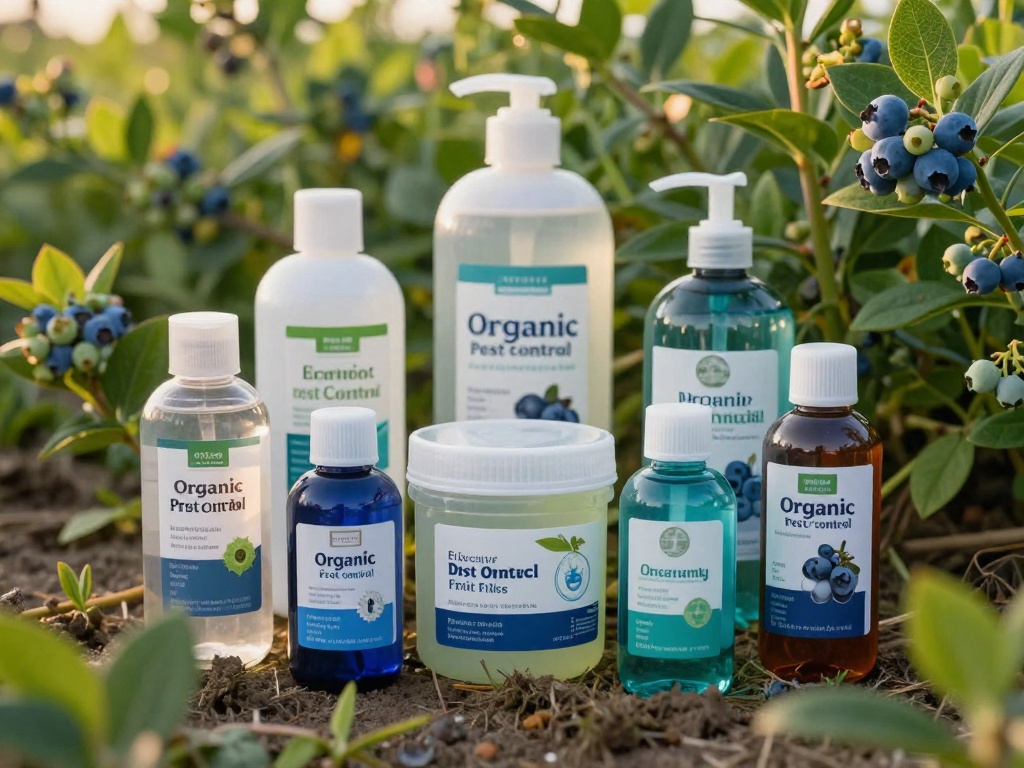
7 Effective Organic Pest Control for Blueberry Fruit Flies
Blueberry fruit flies, also known as spotted wing drosophila (SWD), are one of the most destructive pests for both commercial and home blueberry growers. Traditional synthetic pesticides can harm beneficial pollinators and leave unwanted residues on your fruit, making organic pest control for blueberry fruit flies a safer, more sustainable solution for protecting your crop.
How to Identify Blueberry Fruit Flies Before They Damage Your Crop
Adult SWD are small, yellow-brown flies with red eyes and a distinctive black spot on their wings. Females lay eggs just under the skin of ripening blueberries, where larvae hatch and tunnel through the fruit, causing soft, rotten spots and making berries unmarketable or inedible. Set up monitoring traps early in the growing season to catch infestations before they spread.
Top 7 Organic Pest Control Methods for Blueberry Fruit Flies
1. Targeted Traps with Lures
Red sticky traps paired with apple cider vinegar or commercial spotted wing drosophila lures are the most effective organic monitoring and trapping tools. Hang traps 1 to 2 feet above the bushes, 10 to 15 feet apart, and replace sticky inserts or lures every 2 to 3 weeks to maintain effectiveness.
2. Fine-Mesh Netting
Cover blueberry bushes with 1mm or smaller fine-mesh netting before fruit begins to ripen. Secure the netting tightly to the ground to prevent flies from slipping under, and remove it after harvest to allow air circulation and sunlight penetration. This physical barrier excludes fruit flies entirely from your crop.
3. Sanitation Practices
Remove all fallen, overripe, or damaged blueberries from the bushes and ground weekly. Prune low-hanging branches to improve air circulation and make it easier to spot and remove infested fruit. Compost infested berries in a hot compost pile or bag them for landfill disposal to kill larvae.
4. Beneficial Insect Releases
Parasitoid wasps like Ganaspis brasiliensis are natural predators of SWD larvae. Release these tiny wasps in your blueberry patch in early spring, as they lay their eggs inside SWD larvae, killing them before they can damage your fruit. Check with local organic nurseries for commercially available wasp populations.
5. Organic Insecticidal Sprays
Use registered organic sprays like neem oil, pyrethrins derived from chrysanthemums, or insecticidal soap to target adult fruit flies. Apply sprays in the early morning or late evening to avoid harming pollinators like bees, and follow label instructions carefully to avoid burning blueberry foliage.
6. Timed Harvest and Post-Harvest Handling
Harvest blueberries as soon as they reach full ripeness, and avoid leaving overripe fruit on the bushes for extended periods. Refrigerate harvested berries immediately to kill any hidden SWD larvae, and sort through fruit quickly to remove any damaged berries before storage.
7. Homemade Fruit Fly Baits
Make a simple homemade bait by mixing 1 cup of sugar, 1 packet of active dry yeast, and 4 cups of water in a plastic jar. Punch 3 to 4 small holes in the lid, hang the jar near your blueberry bushes, and replace the mixture every 3 to 5 days to attract and trap adult fruit flies.
Integrating Organic Pest Control for Long-Term Success
For the best results, combine multiple organic pest control methods into an integrated pest management (IPM) plan. Monitor your blueberry patch weekly with traps to track fly populations, and adjust your control methods as needed based on infestation levels. Following USDA organic guidelines ensures your practices remain sustainable and compliant with organic farming standards.
Frequently Asked Questions About Organic Pest Control for Blueberry Fruit Flies
What is the most effective organic trap for blueberry fruit flies?
Red sticky traps paired with commercial spotted wing drosophila lures are the most reliable organic traps for monitoring and controlling blueberry fruit flies. They attract and catch adult flies without using harsh chemicals.
Can neem oil kill blueberry fruit flies?
Yes, neem oil disrupts the life cycle of blueberry fruit flies by killing young larvae and repelling adult flies. Apply it early in the morning or late in the evening to avoid harming beneficial pollinators.
How do I prevent fruit flies in my home blueberry patch?
Combine fine-mesh netting, regular sanitation, targeted traps, and beneficial insect releases to create a comprehensive organic prevention plan for your home blueberry patch. Harvest fruit immediately as it ripens to reduce overripe bait for flies.
Are organic pest control methods as effective as synthetic chemicals for blueberry fruit flies?
When implemented correctly as part of a consistent IPM plan, organic pest control methods can be just as effective as synthetic chemicals at managing blueberry fruit fly populations, with the added benefit of protecting pollinators and soil health.
No comments