
Organic Fungicide for Bean Rust: Top 5 Solutions for 2024
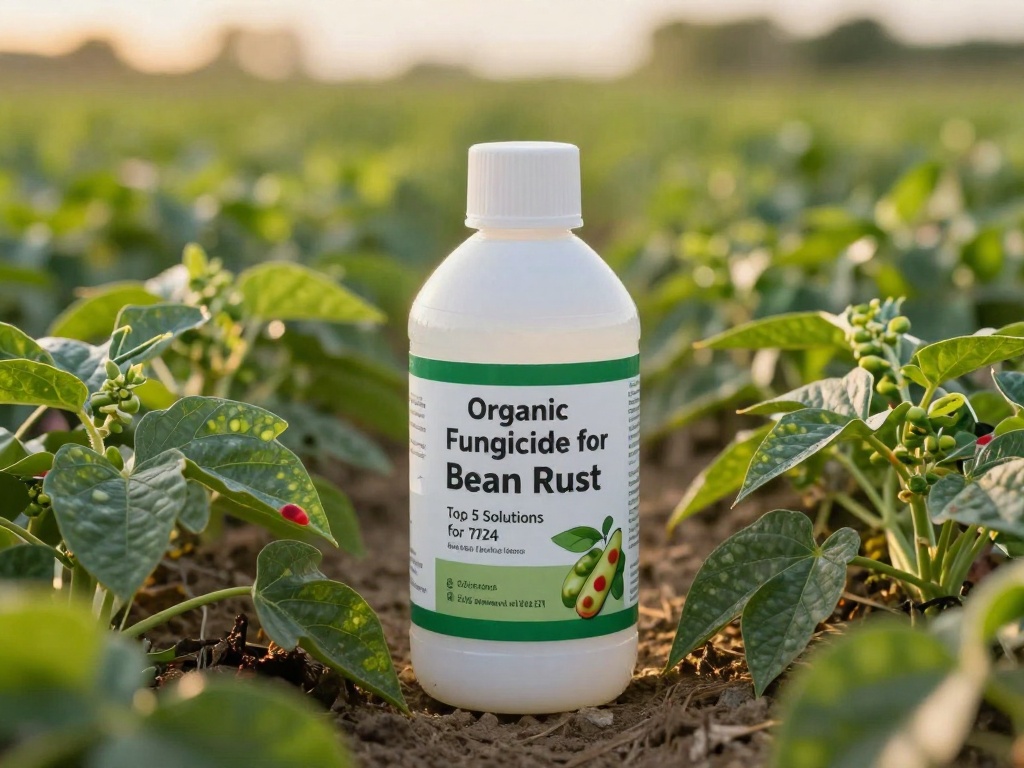
Organic Fungicide for Bean Rust: Top 5 Solutions for 2024
Bean rust is a devastating fungal disease that affects nearly all varieties of dry and green beans, causing up to 50% yield loss if left untreated, per the USDA. Using organic fungicide for bean rust is a safe, sustainable way to protect your crops without harmful synthetic chemicals, making it ideal for small-scale and certified organic farms.
What Is Bean Rust and Why It Endangers Your Bean Crops
Bean rust is caused by the Uromyces appendiculatus fungus, which spreads via windborne spores. Early symptoms include small, reddish-brown pustules on the undersides of bean leaves, which can merge and cause leaf drop, stunted growth, and reduced pod development.
Identifying Bean Rust Early
Catch infestations early by checking leaf undersides weekly during warm, humid growing conditions. Spores thrive in temperatures between 60–80°F with high moisture, making late spring and summer high-risk periods.
How Organic Fungicide for Bean Rust Works
Unlike synthetic fungicides, organic options use natural active ingredients to target fungal growth without leaving toxic residues. Most work by either preventing fungal spores from germinating, disrupting cell membranes, or encouraging beneficial microbes to outcompete rust pathogens. Many are OMRI-listed for use in certified organic farming systems.
Top 5 Organic Fungicide for Bean Rust Solutions
1. Copper Sulfate (Bordeaux Mixture)
Copper-based fungicides are one of the oldest and most reliable organic treatments for bean rust. Bordeaux mixture, a mix of copper sulfate and hydrated lime, creates a protective barrier on leaf surfaces that stops rust spores from attaching and germinating.
Apply the mixture at the first sign of rust pustules, or as a preventive treatment every 10–14 days. Avoid applying during hot, sunny weather to prevent leaf burn, and stop applications 2 weeks before harvest.
2. Neem Oil
Cold-pressed neem oil contains azadirachtin and other compounds that disrupt fungal cell structure, killing active rust infections and preventing new spore growth. It also repels insect pests that can spread fungal diseases.
Mix 1–2 teaspoons of neem oil with a quart of water and a drop of dish soap to help the solution adhere to leaves. Spray both tops and undersides of leaves every 7–10 days during high humidity.
3. Bacillus amyloliquefaciens (Serenade ASO)
This beneficial bacterium colonizes plant surfaces and outcompetes rust fungi for nutrients and space, while also triggering the plant’s natural defense systems. It is OMRI-listed and safe for pollinators when applied correctly.
Apply as a foliar spray at the first sign of disease, and repeat every 7–14 days. It works best when applied in cool, dry conditions to avoid UV degradation of the bacterial spores.
4. Garlic Spray
Homemade garlic spray uses allicin, a compound in garlic that has antifungal properties. It is a budget-friendly option for small-scale growers.
Mix 2 crushed garlic bulbs with 1 quart of water and 1 teaspoon of vegetable oil, let steep overnight, strain, and spray on bean plants. Reapply every 5–7 days during active disease pressure.
5. Horsetail Extract (Equisetum arvense)
Horsetail extract contains silica and antifungal compounds that strengthen plant cell walls and inhibit rust spore germination. It is a traditional organic treatment used for centuries.
Boil 4 ounces of dried horsetail in 1 gallon of water for 30 minutes, strain, and let cool before spraying. Apply every 10–14 days as a preventive or curative treatment.
Best Practices for Using Organic Fungicide for Bean Rust
Follow these key tips to maximize the effectiveness of your organic fungicide treatments:
- Apply treatments at the first sign of rust to stop spread before spores multiply
- Cover both the tops and undersides of leaves, as rust spores often hide on lower leaf surfaces
- Rotate between different organic fungicide classes to prevent fungal resistance
- Avoid spraying during peak bloom times to protect pollinators
- Monitor weather forecasts and apply before rain to ensure the solution adheres to leaves
FAQ About Organic Fungicide for Bean Rust
What is the most effective organic fungicide for bean rust?
While results vary by growing conditions, a combination of copper sulfate for prevention and Bacillus amyloliquefaciens for curative treatment is often the most effective approach for managing bean rust.
Can organic fungicides completely eliminate bean rust?
When applied early and consistently alongside good crop sanitation and rotation, organic fungicides can effectively control and even eliminate bean rust infestations. Removing infected plant debris between growing seasons also reduces overwintering spores.
How often should I apply organic fungicide for bean rust?
Most organic fungicides need to be applied every 7–14 days, depending on humidity levels and disease pressure. In wet, humid conditions, you may need to treat more frequently.
Is organic fungicide for bean rust safe for edible beans?
Most OMRI-listed organic fungicides are safe for use on edible beans, as long as you follow the pre-harvest interval listed on the product label. Always wait the recommended time before harvesting to avoid residue buildup.
No comments