
Late Season Pest Control for Sweetcorn: 5 Proven Strategies to Protect Yields
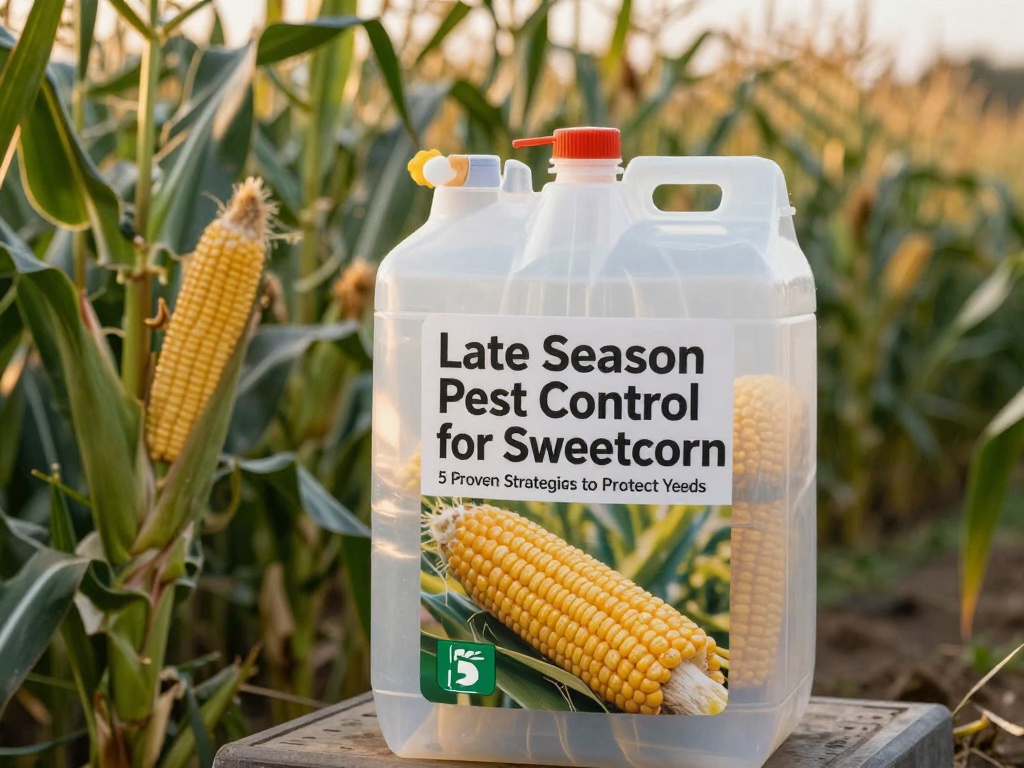
Late Season Pest Control for Sweetcorn: 5 Proven Strategies to Protect Yields
Late season pest control for sweetcorn is one of the most critical tasks for sweetcorn farmers and home gardeners alike. As sweetcorn approaches tasseling and silking—usually 6 to 8 weeks after planting—pests target the tender, marketable ears, which can destroy up to 80% of a crop if left untreated, according to the University of Nebraska-Lincoln Extension. This guide breaks down five proven strategies to protect your sweetcorn harvest without overusing harmful chemicals.
Identify Common Late-Season Sweetcorn Pests
Before selecting control methods, you must first recognize the most common late-season pests that target sweetcorn. This ensures you pick targeted, effective solutions for your specific infestation.
Corn Earworm
Corn earworm is the most destructive late-season sweetcorn pest. Female moths lay eggs on fresh silks, and larvae tunnel into the ear to feed on the kernels, leaving behind frass and ruined, unmarketable cobs. They peak in late summer across most growing zones.
Fall Armyworm
Fall armyworms target sweetcorn leaves and ears, chewing through foliage and tunneling into kernels. They can defoliate young plants quickly and contaminate mature ears with their waste, making them unsellable for fresh market or home use.
Aphids and Spider Mites
Aphids and spider mites are sap-sucking pests that cluster on the undersides of sweetcorn leaves late in the season. They weaken the plant by draining sap, and can also spread viral diseases that reduce yields and ear quality.
Timing & Scouting for Early Pest Detection
Timing is the foundation of successful late season pest control for sweetcorn. Start checking your plants weekly once tasseling begins, paying close attention to ear silks, leaf undersides, and the base of ears. The University of Illinois Extension recommends treating only when you find active pests or visible damage, rather than applying preventative sprays unnecessarily.
Effective Late Season Pest Control Strategies
Cultural Control Methods
Cultural controls reduce pest populations without chemicals. Remove crop residue after harvest to eliminate overwintering sites for pupae, and rotate sweetcorn to a different bed each year to disrupt pest life cycles. You can also plant trap crops like buckwheat or sunflowers to draw pests away from your main sweetcorn patch.
Biological Control Options
Biological controls are safe for beneficial insects and the environment. Bacillus thuringiensis (Bt), a natural soil bacterium, kills caterpillar pests like corn earworm and fall armyworm when they ingest it. Release parasitic wasps or ladybugs to target aphids and spider mites, as these beneficial insects feed on pest populations.
Targeted Chemical Control
If cultural and biological controls aren’t enough, use targeted chemical insecticides. Look for products labeled specifically for sweetcorn ear pests, and apply sprays directly to the ear silks when they first appear, as this is where egg-laying moths will target. Avoid broad-spectrum insecticides, as they kill beneficial insects and can lead to secondary pest outbreaks. Follow all label instructions carefully to avoid residue on edible ears.
Post-Harvest Pest Prevention
Late season pest control does not end at harvest. Clear all crop debris from your field or garden beds immediately after picking, and till the soil to bury leftover residue. This kills overwintering pupae and reduces pest populations for the following growing season, saving you time and effort next year.
Frequently Asked Questions About Late Season Pest Control for Sweetcorn
When is late season for sweetcorn pest control?
Late season pest control typically begins when sweetcorn starts tasseling and silking, which is 6 to 8 weeks after planting, depending on your growing zone. This is the critical window when pests target the marketable ear kernels.
What is the best organic late season pest control for sweetcorn?
The top organic option is Bacillus thuringiensis (Bt) sprays, which target caterpillar pests like corn earworm without harming beneficial insects. You can also use insecticidal soap for aphids and spider mites, or plant trap crops to divert pests away from your main sweetcorn patch.
How often should I scout for late season sweetcorn pests?
Plan to scout your sweetcorn fields or garden beds weekly once tasseling begins. If you notice early signs of pest damage, such as chewed silks or frass on ear tips, scale back to scouting every 2 to 3 days to catch infestations early.
Can I use homemade sprays for late season sweetcorn pest control?
Yes, some homemade sprays can be effective, such as a mixture of water, dish soap, and neem oil for sap-sucking pests like aphids. However, homemade sprays may be less consistent than commercial products, and you should always test a small area of your plants first to avoid leaf burn.
No comments