
7 Effective Late Frost Protection for Strawberry Transplants
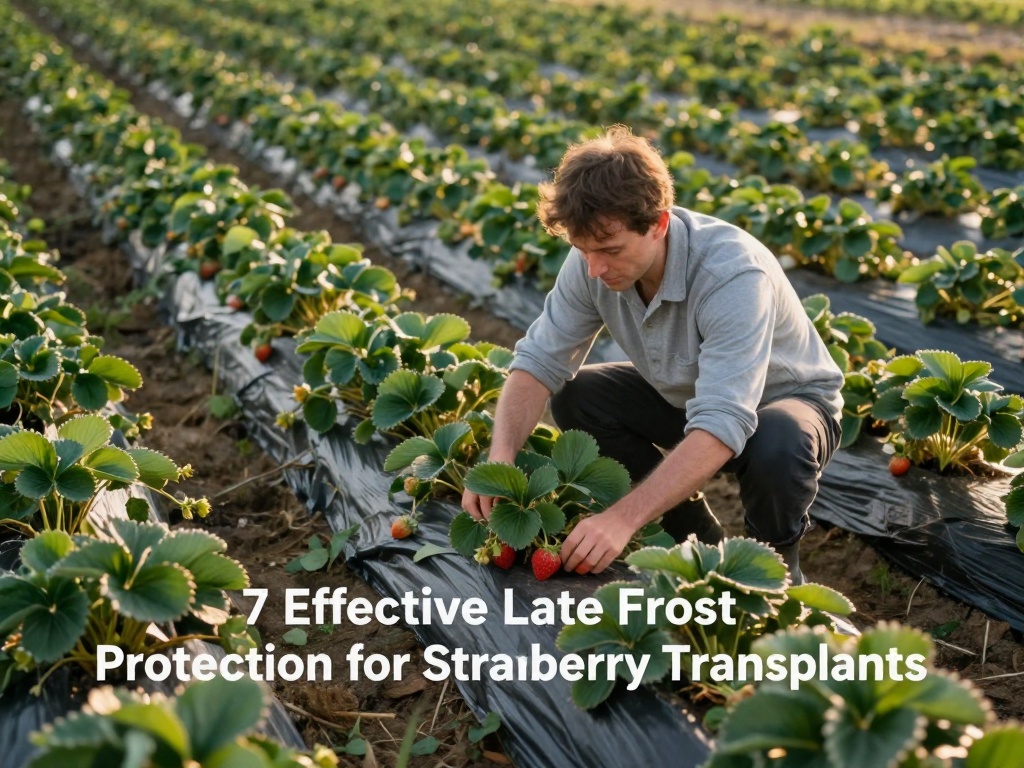
7 Effective Late Frost Protection for Strawberry Transplants
Late spring frosts are one of the most devastating threats to newly planted strawberry transplants, often striking just as growers set their tender young crops into the field. A single unprotected frost can damage or kill tender new foliage, reduce flower production, and cut yields by up to 30% according to the USDA Agricultural Research Service. This guide breaks down 7 effective late frost protection for strawberry transplants to help you safeguard your harvest and avoid costly crop loss.

Why Late Frosts Harm Strawberry Transplants
Tender Growth Vulnerability
Strawberry transplants have fragile, newly formed root systems and soft, green foliage that cannot tolerate temperatures below 28°F (-2°C) for extended periods. Even a light frost can cause cell damage, turning leaves brown and wilted. Mature strawberry plants are hardier, but young transplants set out in early spring are at the highest risk of frost damage.
Typical Late Frost Timing
Most late frosts occur between mid-April and mid-May in temperate growing zones, just as strawberry growers begin transplanting their young stock. Your local extension office can provide accurate average last frost dates for your specific region to help you plan your protection strategies ahead of time.
7 Top Late Frost Protection Methods for Strawberry Transplants
Floating Row Covers
Floating row covers are lightweight, breathable fabrics that trap heat around strawberry transplants while allowing sunlight and water to reach the plants. Secure the covers firmly to the ground with soil or landscape stakes to prevent wind from lifting them. Remove covers once daytime temperatures rise above 60°F to avoid overheating your delicate transplants.
Insulating Mulch
Applying 2 to 3 inches of straw, pine straw, or shredded leaves around strawberry transplants helps insulate soil roots and retain heat overnight. Avoid piling mulch directly against the plant crowns, as this can cause fungal rot. Apply mulch 1 to 2 weeks before your area’s average last frost date for maximum protective benefit.
Sprinkler Irrigation for Frost Protection
This low-cost method uses overhead sprinklers to coat plants with a thin layer of water, which freezes into a protective ice sheath. The ice insulates plant tissue from temperatures below 32°F, keeping crowns and foliage safe from damage. Run sprinklers continuously from when temperatures drop to 34°F until the sun rises and thaws the ice layer completely.
High Tunnels & Plastic Hoop Houses
For small-scale or high-value strawberry plantings, plastic hoop houses or high tunnels create a sealed, warm environment that blocks frost and raises internal temperatures by 5 to 10°F. You can easily open tunnels during the day to allow ventilation and close them overnight ahead of predicted frosts for full protection.
Portable Heating Devices
For container-grown or small backyard strawberry transplants, portable space heaters or heat lamps can provide targeted warmth to protect against late frosts. Place heaters at least 3 feet away from plant foliage to avoid fire risk, and use a thermostat to maintain temperatures above 28°F.
Wind Machines for Air Circulation
Large industrial wind machines mix warm air near the ground with cooler air above, preventing temperature inversions that cause frost formation. This method is most effective for large commercial strawberry fields and works best when overnight temperatures stay above 26°F.
Pre-Frost Prep Strategies
Take proactive steps before frosts hit by hardening off transplants slowly over 7 to 10 days, avoiding over-fertilization with nitrogen (which promotes soft, vulnerable growth), and watering plants thoroughly the day before a predicted frost. Moist soil retains more heat than dry soil, helping to insulate root systems and protect against frost damage.
How to Monitor Late Frost Risks
Stay ahead of frost events by checking local weather forecasts 3 to 5 days in advance, using soil thermometers to track overnight temperatures, and signing up for free frost alert notifications from your local extension office. Act quickly once a frost is predicted to deploy your chosen protection methods before temperatures drop too low.
Post-Frost Care for Strawberry Transplants
If a frost damages your transplants, act fast to minimize further loss. Remove any dead, brown foliage to prevent fungal growth, and apply a light application of balanced fertilizer to encourage new growth. Avoid overwatering damaged plants, as their weakened root systems are less able to absorb moisture. Most lightly damaged transplants will recover within 1 to 2 weeks, but severely damaged crowns will need to be replaced to avoid reduced yields.
FAQ About Late Frost Protection for Strawberry Transplants
Can I use old bed sheets or tarps to protect strawberry transplants?
Yes, clean, breathable bed sheets or light tarps can work as a temporary frost protection option for small home plantings. Be sure to secure the fabric tightly to the ground to prevent wind damage, and remove it once temperatures rise above freezing to avoid trapping excess heat and moisture against your plants.
When should I remove frost protection covers from my strawberry transplants?
Remove covers once daytime temperatures stay consistently above 55°F for several days, or once the threat of frost has passed entirely. Avoid leaving covers on during warm, sunny days, as this can cause overheating and scorch delicate transplant foliage.
How much does late frost protection for strawberry transplants cost?
Costs vary widely by method, with floating row covers costing $0.10 to $0.50 per square foot, mulch costing $2 to $5 per bag, and high tunnels costing hundreds to thousands of dollars for commercial-scale setups. Small-scale options like bed sheets or straw mulch are affordable and easy to implement for home gardeners looking to protect their strawberry transplants.
No comments