
7 Effective Late Blight Treatment for Potato Foliage 2024 Guide
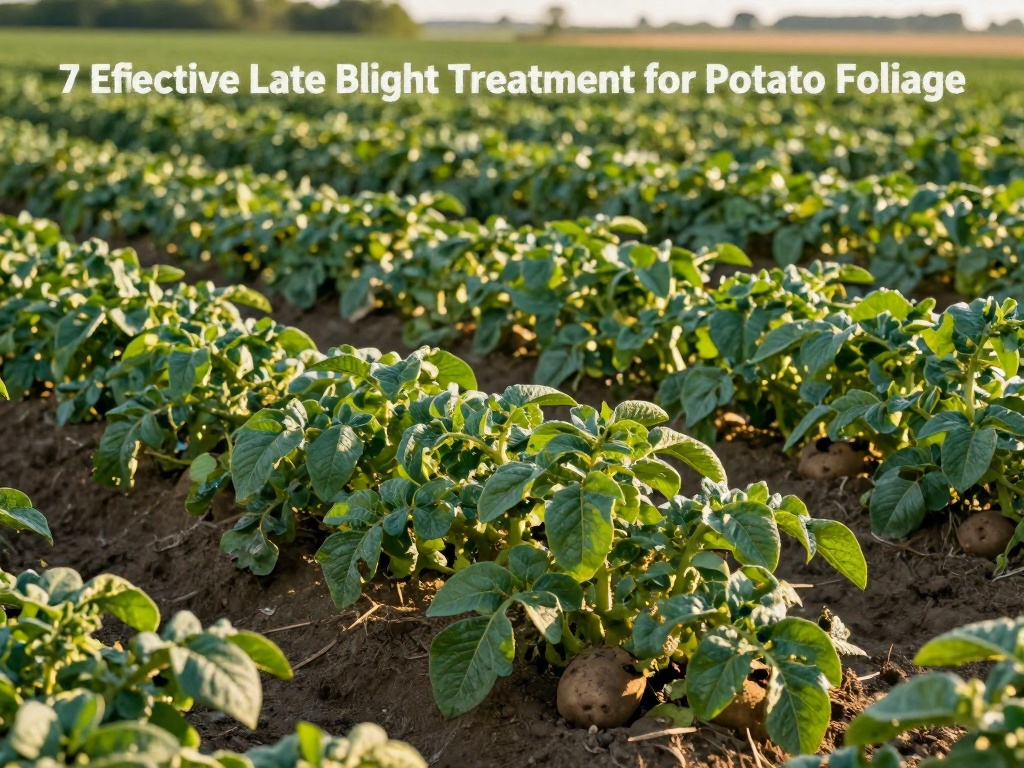
7 Effective Late Blight Treatment for Potato Foliage 2024 Guide
Late blight is one of the most devastating potato diseases, capable of wiping out an entire crop in just days if left untreated. Learning the right late blight treatment for potato foliage can help you catch infections early, stop the spread, and save your harvest this growing season. This guide breaks down proven prevention, treatment, and application tips to protect your potato plants.
What Is Late Blight on Potato Foliage?
Late blight is caused by the oomycete Phytophthora infestans, the same pathogen that triggered the 1845 Irish potato famine and still threatens global potato crops today. It spreads via airborne spores that thrive in cool, wet conditions—temperatures between 60 and 75°F with 90%+ humidity for 4+ hours. Early symptoms include small, dark brown spots on potato leaves, often surrounded by a pale yellow halo.
Under humid conditions, white, fuzzy mold will appear on the undersides of infected leaves. Infected foliage quickly wilts, turns brown, and dies, with the disease spreading rapidly to nearby plants if unaddressed.
Key Prevention Tips to Avoid Late Blight Outbreaks
The best late blight treatment for potato foliage starts with prevention, according to the USDA’s National Plant Disease Recovery System. Start by planting late blight-resistant potato varieties, which drastically reduce the need for chemical or organic treatments. Space potato plants 12 to 18 inches apart to improve air circulation, which lowers humidity around foliage.
Avoid overhead watering, which wets leaves and creates ideal conditions for spore germination. At the end of each growing season, remove and destroy all potato debris, as spores can overwinter in soil and plant waste.
7 Effective Late Blight Treatment Options
1. Copper-Based Fungicides (Organic/Chemical Hybrid)
Copper fungicides are a popular late blight treatment for potato foliage, approved for organic farming use. They work by creating a protective barrier on leaf surfaces to prevent spore germination. Apply copper sulfate or copper hydroxide every 7 to 10 days during wet, humid weather.
2. Chlorothalonil Fungicides (Synthetic Chemical)
Chlorothalonil is a broad-spectrum synthetic fungicide that effectively kills existing late blight spores. It is most effective when applied at the first sign of infection, rather than as a preventive treatment only. Follow label instructions carefully to avoid phytotoxicity on potato foliage.
3. Milk Spray Treatments (Organic)
Cornell University Extension research has shown that a 10% milk solution (9 parts water, 1 part milk) suppresses late blight development. The proteins in milk trigger the plant’s natural defense mechanisms, while also creating a protective coating on leaves. Apply every 5 to 7 days during high-risk conditions.
4. Neem Oil Applications (Organic)
Neem oil acts as both a fungicide and insect repellent, making it a versatile late blight treatment for potato foliage. Mix 2 tablespoons of neem oil with 1 teaspoon of dish soap and 1 gallon of water, then spray all leaf surfaces thoroughly. Avoid applying neem oil in direct sunlight to prevent leaf burn.
5. Baking Soda Sprays (Organic)
A simple baking soda spray can help slow late blight spread by altering leaf surface pH, making it harder for spores to germinate. Mix 1 tablespoon of baking soda, 1 teaspoon of dish soap, and 1 gallon of water, then apply to infected foliage every 7 days.
6. Emergency Infected Foliage Removal
For severe late blight outbreaks, immediately remove and destroy all infected potato foliage. Bag and dispose of debris in a landfill, do not compost it, as spores can survive composting processes. Avoid working in the garden when foliage is wet to prevent spreading spores to healthy plants.
7. Systemic Fungicide Treatments
Systemic fungicides like mefenoxam are absorbed by potato plants and kill existing Phytophthora infestans infections from within. These are best used as a last resort for advanced late blight cases, and should only be applied according to label directions to avoid resistance development.
How to Properly Apply Late Blight Treatment
No matter which late blight treatment for potato foliage you choose, proper application is critical for success. Spray all leaf surfaces, including the undersides, where spores often hide and germinate. Use a backpack sprayer or handheld sprayer to ensure full coverage of your potato patch.
Apply treatments during early morning or late evening to avoid UV degradation of the product and prevent leaf burn. Reapply every 7 to 10 days during prolonged wet or humid conditions, as rain will wash away protective coatings. Always wear protective gloves, eyewear, and a mask when applying synthetic fungicides.
Frequently Asked Questions About Late Blight Treatment for Potato Foliage
How quickly does late blight spread on potato foliage?
Late blight spores can spread via wind, rain, and garden tools in as little as 24 to 48 hours under cool, wet conditions. Infected plants can collapse entirely within 7 to 10 days if left untreated.
Can late blight spread to other garden plants?
Yes, late blight targets all solanaceous plants, including tomatoes, eggplants, and peppers. Keep these crops separate from infected potato patches to avoid cross-contamination.
Are there fully resistant potato varieties to late blight?
Yes, modern potato varieties like Defender, Red Norland, and Yukon Gold have been bred for late blight resistance. Always check seed labels for "late blight resistant" to minimize treatment needs.
How long can late blight spores survive in soil?
Late blight spores can survive in soil and plant debris for up to 2 years, so rotate potato crops to non-solanaceous plants for 3 to 4 years to eliminate residual spores.
No comments