
Making Gardening Fun for Kids: A Guide
Unearthing Joy: How to Make Gardening a Thrilling Adventure for Kids
Imagine a world where the digital glow fades, replaced by the earthy scent of soil and the vibrant hues of blooming flowers. This isn't a fantasy; it's the magic of gardening for kids, a realm where learning sprouts from the ground and fun blossoms in every corner. Forget fleeting screen time – gardening offers lasting memories, a deep connection with nature, and a lifelong love for the outdoors. But how do you transform a simple garden into an unforgettable adventure zone for young explorers? Let’s dig in!
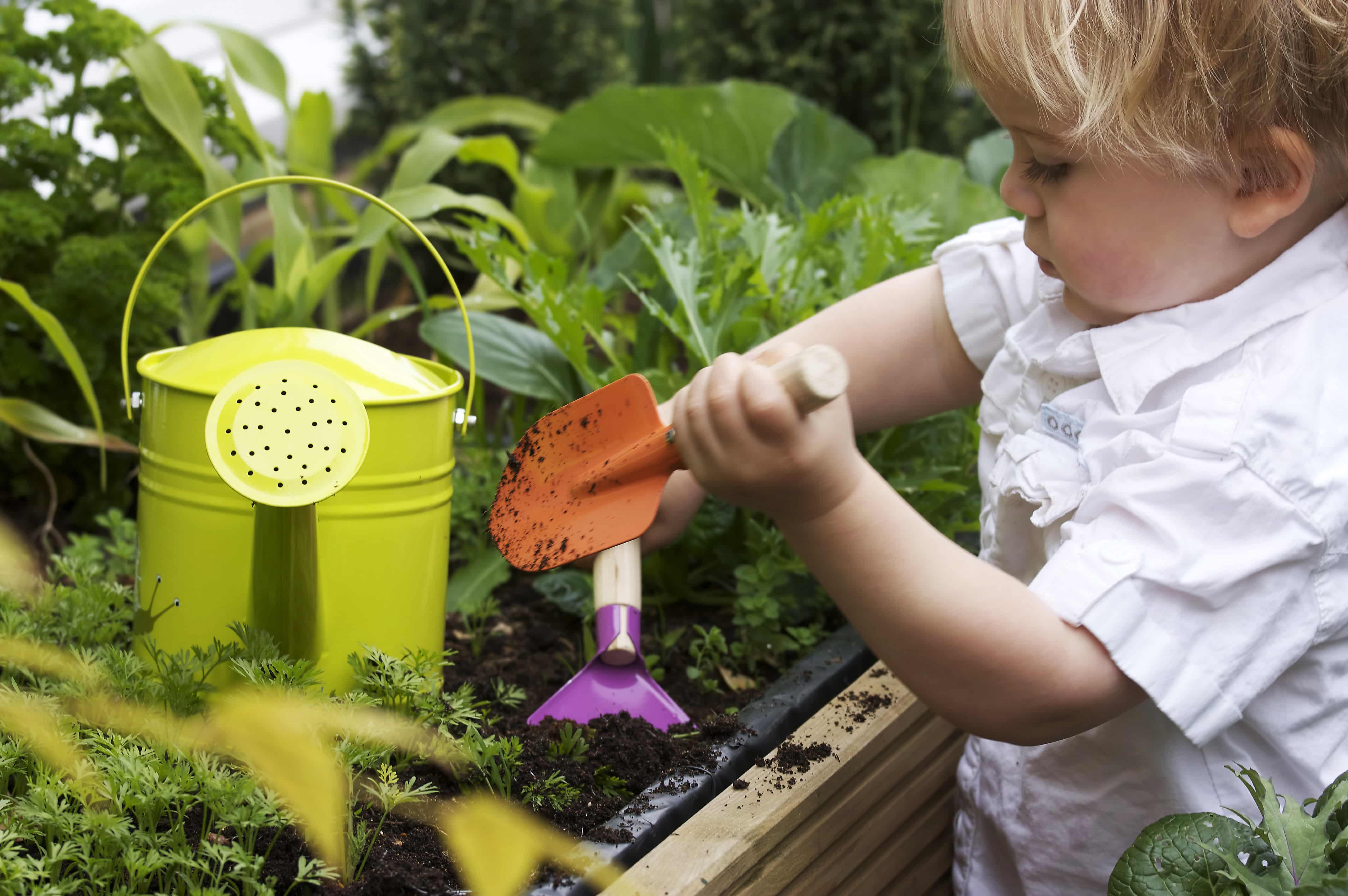
The Seed of Knowledge: Why Gardening Matters
Gardening transcends the simple act of planting; it's a holistic educational journey. It transforms into a living laboratory, teaching kids about:
- Science: Witnessing the miracle of germination and understanding plant biology.
- Environmental Awareness: Learning about ecosystems, biodiversity, and sustainability.
- Responsibility: Caring for living things and understanding the consequences of their actions.
- Patience: Cultivating delayed gratification and appreciating the slow, steady process of growth.
Most importantly, children's gardening is FUN! From planting seeds to building fairy homes, the possibilities are endless.
Ready, Set, Grow! Tips for Starting Your Green Adventure
Ready to get those little hands dirty? Here's how to kickstart your gardening journey with maximum fun:
Choosing the Right Plants: Kid-Friendly Varieties
Not all plants are created equal when it comes to engaging young gardeners. Opt for varieties that are:
- Easy to Grow: Plants that sprout quickly and don't require constant fussing.
- Visually Appealing: Bright colors, interesting textures, and unique shapes.
- Edible (and Safe!): Strawberries, cherry tomatoes, and herbs offer a tasty reward for their efforts.
Consider these child-friendly options:
- Sunflowers: Towering giants that bring instant wow-factor.
- Marigolds: Cheerful blooms that deter garden pests.
- Basil and Mint: Aromatic herbs perfect for sensory exploration and easy snacking.
- Radishes: Grow from seed to harvest in as little as 30 days.
Creating a Kid-Centric Garden Space
Transform a corner of your yard into a dedicated kid zone. This space should be:
- Their Own: A place where they can experiment, create, and make their mark.
- Colorful and Inviting: Use bright pots, whimsical decorations, and engaging signage to attract their attention.
- Accessible: Raised beds or container gardens make it easier for little hands to reach and tend to the plants.
Add personal touches like:
- Painted Rocks: Turn ordinary stones into garden art.
- Garden Gnomes: Add a touch of whimsy and personality.
- A Mini Bench: Create a cozy spot for observation and reflection.
Making it a Game: Interactive Gardening Activities
Turn gardening into an interactive playground with these engaging activities:
- The Great Grow-Off: A friendly competition to see who can grow the tallest sunflower or the biggest tomato.
- Scavenger Hunts: Send kids on a search for specific types of leaves, flowers, or insects.
- Sensory Exploration: Encourage them to touch, smell, and even taste (safe) plants to engage all their senses.
From Garden to Classroom: Educational Opportunities
Transform your garden into an outdoor learning hub:
Unveiling the Plant Life Cycle
Planting seeds offers a firsthand look at the miracle of life:
- Germination: Witness the seed sprout and emerge from the soil.
- Photosynthesis: Explain how plants use sunlight to create energy.
- Pollination: Observe bees and butterflies transferring pollen from flower to flower.
Encourage kids to document their observations in a Plant Diary, complete with drawings and written notes.
Exploring the Mini-Ecosystem
A garden is a bustling community of living things:
- Insects: Identify different types of insects and their roles in the garden.
- Birds: Attract feathered friends with bird feeders and nesting boxes.
- Food Chains: Explain how different organisms depend on each other for survival.
Build a bug hotel to attract beneficial insects or create a bird feeder to provide a source of food.
Conducting Science Experiments
The garden is a perfect setting for hands-on science:
- Water vs. Sunlight: Experiment with different amounts of water or sunlight to see how they affect plant growth.
- Composting: Learn how to turn kitchen scraps into nutrient-rich soil.
- Soil Types: Compare how different types of soil affect plant growth.
Unleash the Fun: Creative Gardening Activities
Balance learning with play with these delightful activities:
Fairy Gardens: Miniature Worlds of Imagination
Craft charming miniature gardens using small plants, pebbles, and tiny accessories. Fairy gardens fuel imagination and nurture a love for detail.
Painted Rock Gardens: Art in Nature
Let kids paint rocks to resemble ladybugs, bees, or other garden critters. Hide them around the garden for a playful surprise element.
Garden Crafts: Adding a Personal Touch
Create bird feeders from pine cones and peanut butter or design wind chimes using beads and strings. These crafts add a personal touch to the garden.
A Garden of Memories: Cultivating a Lifelong Love for Nature
Gardening for kids is an immersive journey of discovery, growth, and connection. A magical playground can encourage your kids to improve their learning skills, expand their mental awareness, and also improve their critical analysis. By making gardening an engaging and enriching experience, you sow the seeds of a lifelong appreciation for nature.
So, grab your gardening tools, embrace the dirt, and let the adventure begin! Your kids – and your garden – will thank you for it.
Remember, the key to successful gardening with kids is to prioritize fun, interaction, and education. Choose the correct plants, create the space for your children and make it a hands-on learning experience. You can turn your garden into a magical playground that will inspire them with creativity and enthusiasm.
The best sources for child-friendly products are sunflowers, marigolds, or herbs like basil and mint. Those things are easy to grow, are fast at growing, and look appealing to children.
By focusing on plant life cycles, ecosystems, and science experiments, you can make gardening activities more educational for children.
Some fun gardening activities for kids include creating fairy gardens, painting rocks, and making garden crafts like bird feeders. These activities encourage creativity and imagination while keeping kids engaged and excited about gardening.
You can create a kid-friendly garden by having the area designated for them, it is colorful and inviting, and add interesting things for them. Creating a space for children where they feel cozy to explore.
Outdoor learning, educational gardening, exercise, mental state, and life skills are all advantages of gardening for children. Gardening teaches children about science, nature, accountability, and the benefits of hard work.
Source: Source
No comments