
Wheelchair Gardening: Is It Possible?
Gardening From a Wheelchair: Cultivating Joy and Accessibility
Imagine the warmth of the sun kissing your skin, the intoxicating aroma of blossoms swirling around you, and the profound satisfaction of nurturing life with your own hands. For many, gardening is more than a hobby; it's a sanctuary, a source of therapy and immense pleasure. But what if mobility is a challenge? Can you still revel in the joys of gardening from a wheelchair? Absolutely! Adaptive gardening and wheelchair accessible garden designs are opening doors for everyone to experience the magic of cultivating their own green spaces.What is Adaptive Gardening?
Adaptive gardening is about reinventing traditional gardening techniques to overcome physical limitations. Whether you use a wheelchair, have restricted mobility, or face other physical challenges, adaptive gardening ensures you can still reap the therapeutic benefits of connecting with nature. The essence lies in curating a garden that is not only wheelchair accessible but also meticulously tailored to your specific requirements.The Bountiful Benefits of Wheelchair Gardening
Gardening from a wheelchair unlocks a treasure trove of rewards:- A Sense of Accomplishment: Witnessing seeds sprout and flourish under your care fosters a deep sense of pride and accomplishment.
- Physical Activity: Even gentle gardening tasks provide valuable physical activity, improving circulation and muscle strength.
- Mental Wellness: The act of nurturing plants can be incredibly therapeutic, reducing stress and anxiety while boosting your mood.
- Independence and Creativity: Adaptive gardening empowers you to take control of your environment, express your creativity, and cultivate self-sufficiency.
Planning Your Accessible Oasis: A Step-by-Step Guide
Before you dive in, carefully assess your needs and capabilities. Ask yourself:- What is my range of motion and reach?
- How much time and energy can I dedicate to gardening?
- What type of gardening tasks do I enjoy the most (e.g., planting, weeding, watering)?
- What kind of plants do I want to grow?
Designing for Accessibility: Key Considerations
Creating an accessible garden requires thoughtful planning and meticulous design. The primary goal is to make the garden easy to navigate and maintain, even from a wheelchair. Here are some essential tips to guide you:Location, Location, Location!
Choose a location that is level and easily accessible. Steer clear of slopes or uneven terrain, as these can pose significant challenges for wheelchair maneuverability. Ensure ample space for comfortable movement and that the area receives sufficient sunlight for your chosen plants.Plant Selection: Smart Choices for Ease
When selecting plants, lean towards low-maintenance varieties that are easy to care for. Consider native plants, as they are often more resilient and require less attention.Elevated Gardening: Raised Beds and Containers
Raised beds and containers are lifesavers for wheelchair accessible gardening. They elevate the plants to a comfortable height, reducing the need to bend or stretch.Engage the Senses: Add Aroma and Texture
Consider incorporating plants with sensory appeal, such as fragrant flowers (lavender, roses) or textured leaves (lamb's ear, ferns), to enrich your gardening experience.Essential Tools and Techniques for Wheelchair Gardening
Equipping yourself with the right tools and mastering adaptive techniques is crucial for a smooth and enjoyable gardening experience.Investing in Adaptive Gardening Tools
Invest in adaptive gardening tools specifically designed to empower individuals with disabilities.- Long-handled tools: Minimize bending and stretching.
- Ergonomic grips: Provide comfortable and secure handling.
- Lightweight materials: Reduce strain and fatigue.
- Garden cart or wheelchair-mounted tool holder: Keep tools readily accessible.
- Adjustable-height planters and tables: Allow you to tend to plants without straining.
Simplifying Maintenance: Smart Strategies
Maintaining your garden is vital for its long-term health and beauty. Adaptive gardening techniques can make maintenance tasks more manageable.- Drip irrigation: Automates watering, reducing physical exertion.
- Mulching: Suppresses weeds and retains soil moisture, minimizing weeding frequency.
- Regular Tool Inspection: Ensure your tools are in good working order to prevent accidents and maximize efficiency.
Resources and Support: Your Gardening Community
You're not alone on this gardening journey! A wealth of resources and support networks are available to guide you.Organizations and Online Communities
- American Horticultural Society: Offers valuable information and resources on adaptive gardening.
- Online forums and community groups: Connect with fellow gardeners, exchange tips, and find inspiration.
Embrace the Joy of Gardening
Gardening from a wheelchair is not only achievable but also deeply rewarding. By embracing adaptive techniques and creating a wheelchair accessible garden, you can unlock the therapeutic benefits of gardening, nurture your creativity, and cultivate independence. So, why wait? Start planning your accessible garden today and embark on a fulfilling journey of growth, beauty, and connection with nature. Roll up your sleeves (or wheels!) and prepare to dig into the wonderful world of adaptive gardening!Source: Source
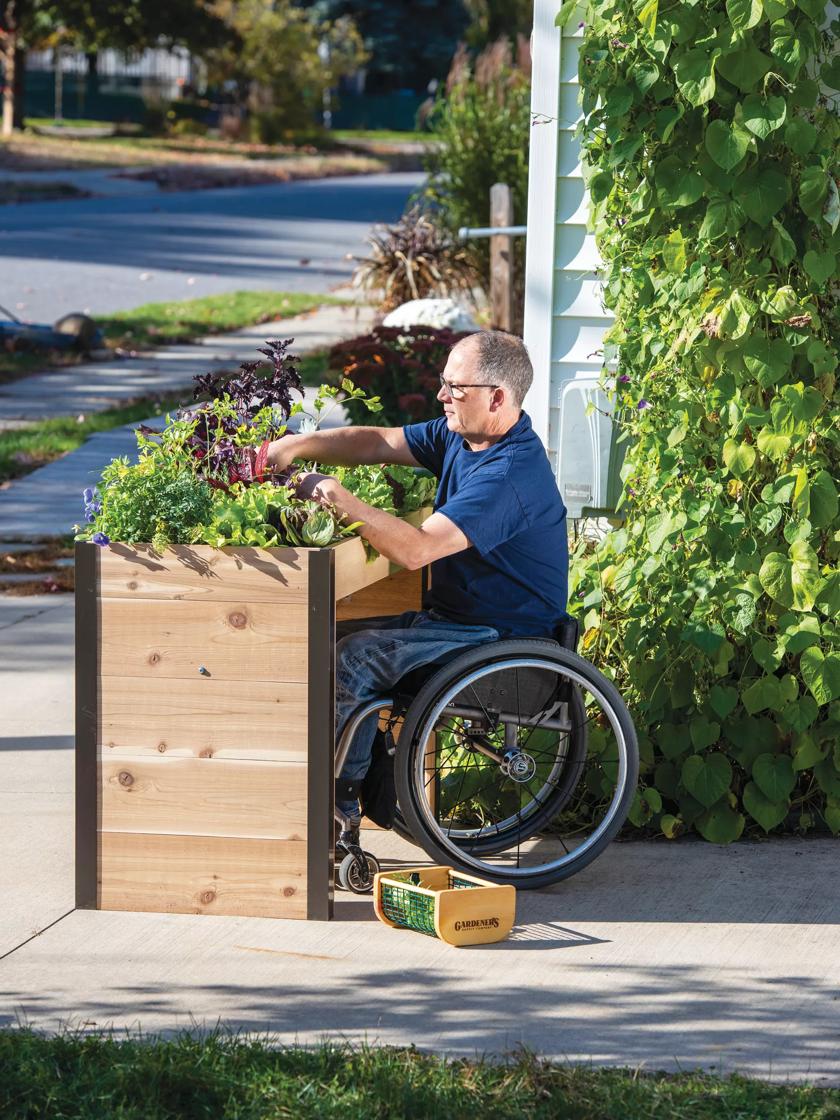
Wheelchair Gardening: Is It Possible?
![Wheelchair Gardening: Is It Possible?]() Reviewed by How to Make Money
on
January 21, 2026
Rating:
Reviewed by How to Make Money
on
January 21, 2026
Rating:
No comments