
Gardening for Dummies: A Beginner's Guide
Unlocking Your Inner Gardener: A Beginner's Guide to Creating Your Own Green Oasis
Ever dreamed of stepping into your backyard and being greeted by a vibrant, edible landscape bursting with fresh vegetables and fragrant flowers? Imagine a tranquil escape, a personal sanctuary born from the earth. This isn't just a pipe dream; it's an achievable reality. Welcome to gardening for beginners, where even those with zero experience can cultivate their own thriving green space.
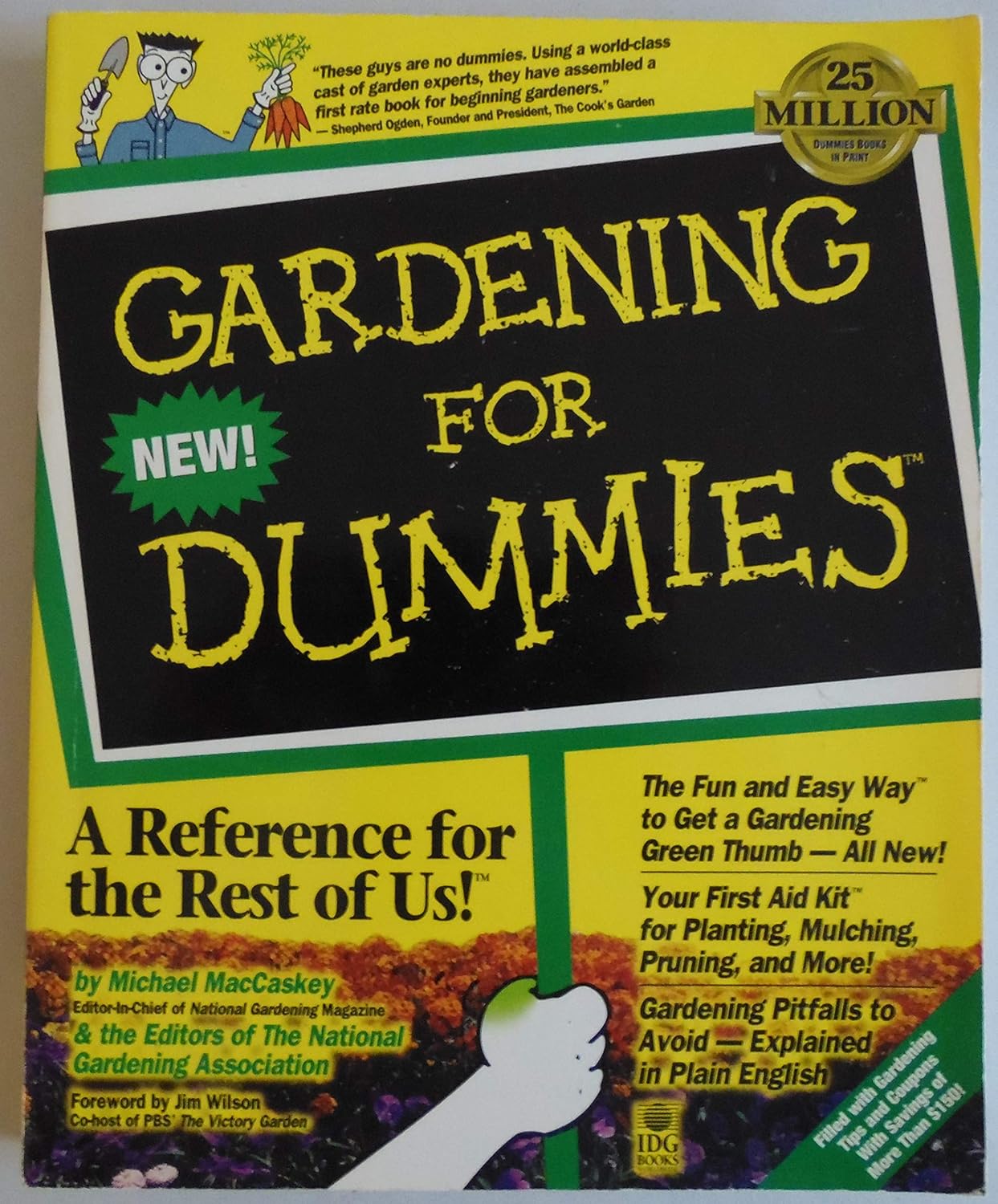
Why Gardening? More Than Just a Hobby
Gardening transcends mere recreation; it's a transformative activity that connects you to nature, reduces stress, and boosts your well-being. Whether you have a sprawling estate or a cozy balcony, there's always room to nurture life. Let's explore the rewarding world of beginner gardening and uncover its magic.
Essential Steps to Start Your Gardening Journey
1. Finding the Perfect Spot: Location, Location, Location
Sunlight is the lifeblood of most plants, so selecting the right location is crucial. Aim for a spot that receives at least 6-8 hours of direct sunlight daily. If space is limited, embrace the versatility of container gardening or explore vertical gardening techniques to maximize your growing area.
2. Choosing Your Green Companions: Plant Selection for Beginners
Success in gardening starts with selecting the right plants. Opt for beginner-friendly varieties like tomatoes, lettuce, and marigolds. These hardy plants are forgiving and can withstand minor neglect, making them ideal for novice gardeners. As you gain confidence, you can expand your repertoire to include more challenging species.
3. Nourishing the Soil: The Foundation of a Thriving Garden
Healthy soil forms the bedrock of a flourishing garden. Before planting, ensure your soil is rich in essential nutrients. Enhance your soil by incorporating compost or using a balanced fertilizer. If you're uncertain about the soil quality, consider a soil test. Many local garden centers offer this valuable service for a reasonable fee.
4. The Art of Watering: Finding the Right Balance
Watering is an art form – too much can drown your plants, while too little can leave them parched. A good rule of thumb is to water deeply once or twice a week, adjusting based on the weather and the specific plant varieties. Use a moisture meter to monitor soil dampness and fine-tune your watering schedule accordingly.
5. Feeding Your Plants: The Importance of Fertilizers
Fertilizers provide essential nutrients that fuel robust plant growth. Choose a balanced, slow-release fertilizer for your garden and apply it according to the package instructions, typically every 4-6 weeks during the growing season. Remember, moderation is key – over-fertilizing can be detrimental to your plants.
6. Defending Against Pests and Diseases: Maintaining a Healthy Garden
Even the most meticulously cared-for gardens can fall victim to pests and diseases. Regularly inspect your plants for signs of trouble, such as yellowing leaves, wilting, or unusual spots. Employ organic pest control methods like neem oil or insecticidal soap to safeguard your garden without harmful chemicals. If you're unsure about a specific issue, seek advice from a local gardening expert or your local cooperative extension service.
7. The Power of Companion Planting: Creating Synergistic Relationships
Companion planting is a strategic technique where you pair plants that mutually benefit each other. For example, marigolds repel nematodes, which can harm tomatoes. By thoughtfully arranging your plants, you can create a balanced ecosystem that naturally controls pests and diseases.
8. Mulching Magic: Protecting Your Garden
Mulching acts like a protective blanket for your garden, retaining moisture, suppressing weeds, and regulating soil temperature. Use organic mulches like straw, wood chips, or shredded leaves. Apply a 2-3 inch layer around your plants, keeping it a few inches away from the stems to prevent rot.
9. Regular Maintenance: Nurturing Your Growing Paradise
Gardening is an ongoing journey, not a one-time event. Regularly inspect your plants for any signs of stress, prune dead or damaged leaves, and maintain a tidy garden. Consistent maintenance significantly contributes to a healthy and visually appealing garden.
Embrace the Journey: Start Your Gardening Adventure Today
Embarking on your gardening journey is both exciting and fulfilling. With the right knowledge and a touch of patience, you can transform your outdoor space into a thriving green paradise. Remember, gardening for beginners is about taking small, manageable steps. Don't fear mistakes – every setback is a valuable lesson learned.
So, grab your gloves, pick up your trowel, and prepare to dig in. Your green thumb awaits!
Frequently Asked Questions (FAQs)
What are the best plants for beginner gardeners?
Some of the best plants for beginner gardeners include tomatoes, lettuce, marigolds, and herbs like basil and mint. These plants are relatively easy to grow and can tolerate a bit of neglect.
How often should I water my plants?
The frequency of watering depends on the type of plants and the weather conditions. As a general rule, water deeply once or twice a week. Use a moisture meter to check the soil's dampness and adjust your watering schedule accordingly.
What is companion planting?
Companion planting is a technique where you pair plants that benefit each other. For example, marigolds repel nematodes, which can harm tomatoes. By strategically placing your plants, you can create a harmonious ecosystem that naturally controls pests and diseases.
How can I improve my soil quality?
You can improve your soil quality by adding compost or using a balanced fertilizer. Compost enriches the soil with organic matter, while fertilizers provide essential nutrients. Consider getting your soil tested to determine its specific needs.
What are some common gardening mistakes to avoid?
Some common gardening mistakes to avoid include overwatering, over-fertilizing, and neglecting pest and disease control. Regularly check your plants for signs of stress, prune dead or damaged leaves, and keep your garden tidy to ensure a healthy and beautiful garden.
Source
No comments