
Organic Pest Control for Squash Borers: 7 Proven 2024 Fixes
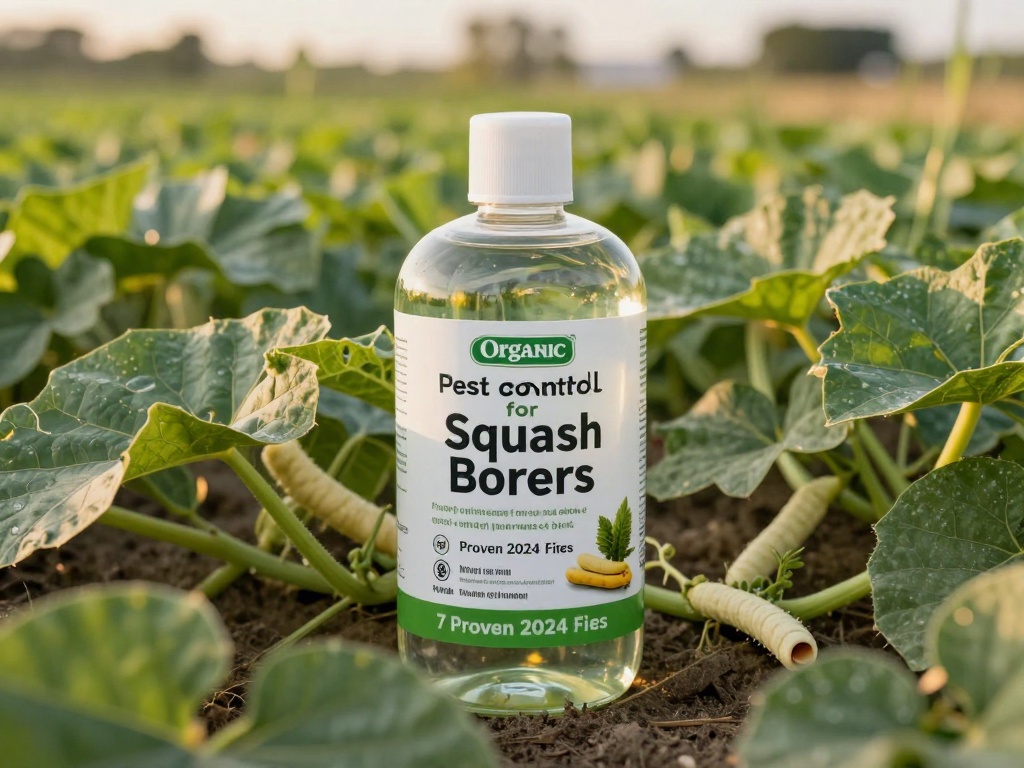
Organic Pest Control for Squash Borers: 7 Proven 2024 Fixes

Squash borers are one of the most frustrating pests for home vegetable gardeners, targeting zucchini, pumpkins, and both summer and winter squash varieties. Organic pest control for squash borers is the safest way to protect your crops without harming beneficial insects, pollinators, or your family’s health. This breakdown covers identification, prevention, and treatment methods to keep these destructive larvae at bay all growing season.
What Are Squash Borers?
Identifying Squash Borer Damage
The first sign of squash borers is often sudden wilting of individual plant stems, especially during hot afternoon hours. You may also notice sawdust-like frass near the base of stems, a telltale sign of larvae tunneling inside. Adult borers are clear-winged moths that look like wasps, so they often go unnoticed until damage is done.
Life Cycle of Squash Borers
Adult moths lay eggs on the undersides of squash leaves or near stem bases in late spring. Eggs hatch in 7-10 days, and young larvae immediately bore into plant stems to feed for 4-6 weeks. Once fully grown, larvae pupate in the soil over winter, emerging as adult moths the following growing season, per the University of Minnesota Extension.
7 Science-Backed Organic Pest Control for Squash Borers Methods
1. Plant Trap Crops Strategically
Trap crops like blue Hubbard squash are highly attractive to squash borer moths, drawing them away from your main squash crop. Plant trap crops 2-3 weeks before your main squash planting, then remove and destroy infested trap crop plants before larvae can mature. The Rodale Institute confirms this method reduces borer populations in home gardens by up to 60%.
2. Use Floating Row Covers
Floating row covers create a physical barrier that prevents adult squash borer moths from laying eggs on your plants. Install covers right after transplanting or seeding, and leave them on until plants begin to flower. Be sure to secure edges with soil or stakes to prevent moths from slipping under.
3. Handpick Eggs and Larvae
Check the undersides of your squash leaves and stem bases weekly during peak borer season, typically mid-summer. Squash borer eggs are small, brown, and flat, making them easy to spot with close inspection. If you find frass, carefully slit the stem open to remove larvae, then mound soil over the damaged stem to encourage new root growth.
4. Apply Beneficial Nematodes
Beneficial nematodes are microscopic roundworms that hunt and kill squash borer larvae in the soil. Mix nematodes with water according to package instructions, then drench the soil around the base of your squash plants. This method is approved for organic gardening by the USDA National Organic Program.
5. Dust with Food-Grade Diatomaceous Earth
Food-grade diatomaceous earth (DE) is a natural powder that damages the exoskeletons of squash borer larvae, causing them to dehydrate and die. Dust the base of stems and surrounding soil weekly during peak egg-laying season. Reapply DE after rain or watering, as moisture reduces its effectiveness.
6. Rotate Crop Locations Annually
Squash borers overwinter in the soil near infested plants, so rotating your squash crop to a new garden spot each year breaks their life cycle. Avoid planting squash, zucchini, or pumpkins in the same spot for at least 2-3 years. This simple practice reduces borer populations over time, per the University of Illinois Extension.
7. Use Targeted Natural Sprays
Organic sprays like neem oil or pyrethrum (derived from chrysanthemums) can kill squash borer eggs and young larvae. Spray the undersides of leaves and stem bases weekly during peak season, following package instructions to avoid harming pollinators. Apply sprays in early morning or late evening when bees are less active.
How to Treat an Infected Squash Plant
If you notice wilting stems or frass, act quickly to save your plant. First, carefully slit the damaged stem lengthwise with a sharp knife to remove all larvae. Rinse the exposed stem with water, then mound clean soil over the damaged area to encourage new root growth. Secure the stem with a small stake if needed to keep it in place, then water deeply to support recovery.
FAQ
How do I know if my squash plants have borers?
The most common signs are sudden wilting of stems (especially in hot weather) and sawdust-like frass near the base of plant stems. Adult squash borer moths also look like small, black-and-orange wasps and may be seen flying near squash plants during daylight hours.
Can I use vinegar for organic squash borer control?
While vinegar can kill some garden pests, it is not an effective or targeted treatment for squash borers. It can also harm your squash plants and beneficial soil microbes if used regularly, so stick to proven organic methods like row covers or diatomaceous earth instead.
When is the best time to apply organic squash borer control?
The best time to start prevention is in early spring, right after planting your squash. Focus on egg-laying season, which typically runs from mid-spring to mid-summer, depending on your growing zone. Reapply treatments like diatomaceous earth or sprays after rain or watering.
Do squash borers attack all types of squash?
Yes, squash borers target all varieties of squash, zucchini, pumpkins, and gourds. Some varieties like blue Hubbard squash are more resistant to infestations, but they can still be attacked by adult moths.
No comments