
5 Proven Organic Fungicide for Lettuce Downy Mildew Tips
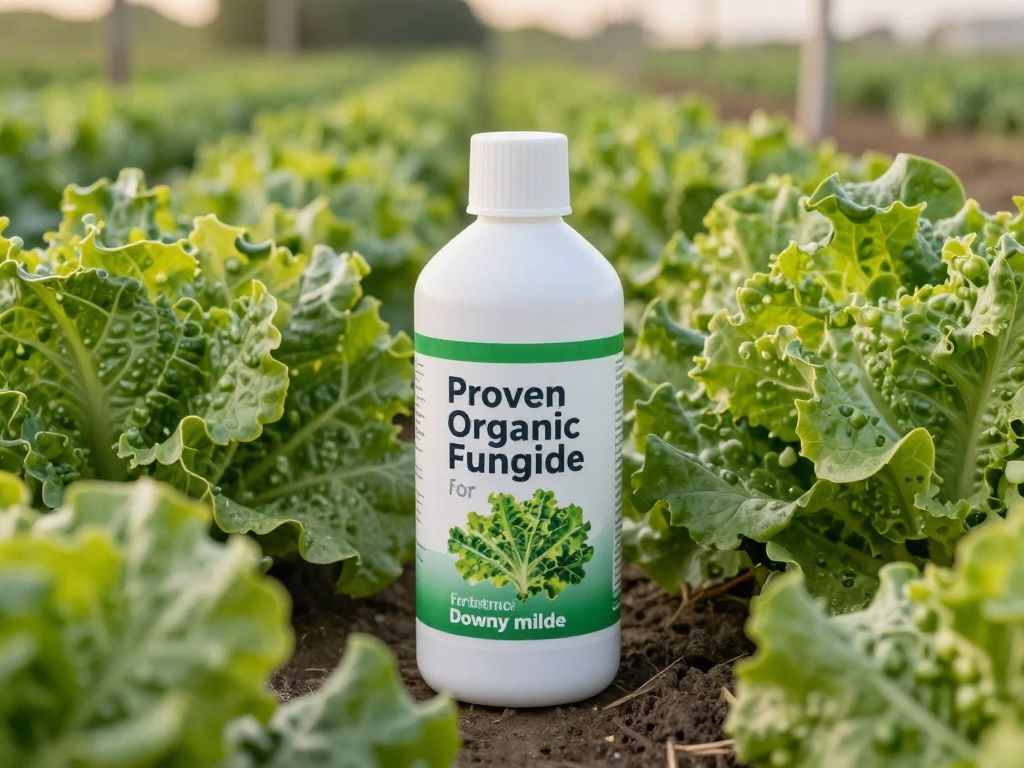
5 Proven Organic Fungicide for Lettuce Downy Mildew Tips
Lettuce downy mildew, caused by the oomycete Bremia lactucae, is a widespread disease that destroys lettuce crops by causing yellow angular leaf lesions, fuzzy gray spore growth on undersides of leaves, and premature plant death. For organic and sustainable growers, organic fungicide for lettuce downy mildew is a critical tool to protect yields without using synthetic chemicals, per University of California Integrated Pest Management (UC IPM) guidelines.
What Is Lettuce Downy Mildew and Why It Hurts Yields
This pathogen thrives in cool, humid conditions between 50–70°F, spreading quickly via water droplets and wind. Infected lettuce leaves become unmarketable, and severe cases can reduce yields by up to 70%, according to UC IPM data.
While crop rotation and resistant lettuce varieties are key prevention steps, organic fungicides add an extra layer of protection for high-risk growing periods.
Top 5 Effective Organic Fungicide for Lettuce Downy Mildew Options
1. Copper Sulfate (Bordeaux Mix)
Copper-based fungicides are one of the most widely recommended organic treatments for lettuce downy mildew. Bordeaux Mix, a combination of copper sulfate and hydrated lime, prevents spore germination by coating plant surfaces.
Follow UC IPM guidelines for application rates, typically 1–2 pounds of copper sulfate per 100 gallons of water, and avoid overuse to prevent copper buildup in soil. Apply in early morning to reduce phytotoxicity.
2. Neem Oil
Cold-pressed neem oil contains azadirachtin, a compound that disrupts the growth and reproduction of downy mildew spores. It also acts as a repellent for common lettuce pests like aphids.
Mix 1–2 teaspoons of neem oil with a quart of water and a drop of dish soap as a spreader-sticker, then spray all leaf surfaces every 7–14 days. Avoid applying in direct sunlight to prevent leaf burn.
3. Bacillus amyloliquefaciens (Commercial Organic Formulations)
This beneficial bacterium colonizes plant leaf surfaces and outcompetes downy mildew pathogens, preventing them from establishing infection. Popular OMRI-listed brands include Serenade ASO and Double Nickel 55.
These products are safe for beneficial insects like bees and earthworms, making them a great choice for sustainable and organic growing operations.
4. Horsetail (Equisetum arvense) Extract
Horsetail extract is a traditional organic treatment rich in silica and phenolic compounds that strengthen plant cell walls and inhibit spore germination.
To make it at home, steep 1 pound of fresh horsetail in 5 gallons of water for 24 hours, strain, and spray directly on lettuce plants. Repeat every 10 days during high-risk cool, wet periods.
5. Baking Soda Solution
A simple DIY option, baking soda alters the pH of leaf surfaces to make them uninhabitable for downy mildew spores. Mix 1 tablespoon of baking soda with 1 gallon of water and a teaspoon of dish soap.
This solution works best when applied preventatively, and avoid using it on hot, sunny days to prevent leaf scorching.
Pro Tips for Maximizing Organic Fungicide Efficacy
Timing is critical: apply organic fungicides before disease appears, especially when cool, wet weather is forecasted. This creates a protective barrier on plant surfaces before spores can infect leaves.
Always cover both the top and undersides of lettuce leaves, as downy mildew often starts on lower leaf surfaces. Use a spreader-sticker to help the product adhere to foliage, especially during rainy periods.
Rotate between different types of organic fungicides to prevent pathogen resistance, and combine with cultural controls like proper spacing and crop rotation for best results.
FAQ
How often should I apply organic fungicide for lettuce downy mildew?
Most organic fungicides need to be reapplied every 7–10 days during cool, humid growing conditions. Always follow the specific product’s label instructions for exact timing and rates.
Can I use organic fungicides preventatively for lettuce downy mildew?
Yes, preventative application is the most effective strategy for managing lettuce downy mildew. Apply treatments when forecasted to have 2–3 days of cool, wet weather, or at the start of the growing season.
Are organic fungicides safe for beneficial insects like bees?
Most organic fungicides are bee-friendly when applied in the early morning or evening when bees are not active. Copper-based products, however, can accumulate in soil and harm some beneficial invertebrates if overused, so follow recommended application limits.
Can I mix different organic fungicides for lettuce downy mildew?
Always check product labels before mixing, as some combinations can cause phytotoxicity or reduce efficacy. Stick to rotating between different classes of fungicides instead.
No comments