
Organic Fungicide for Basil Downy Mildew: 2024 Practical Guide
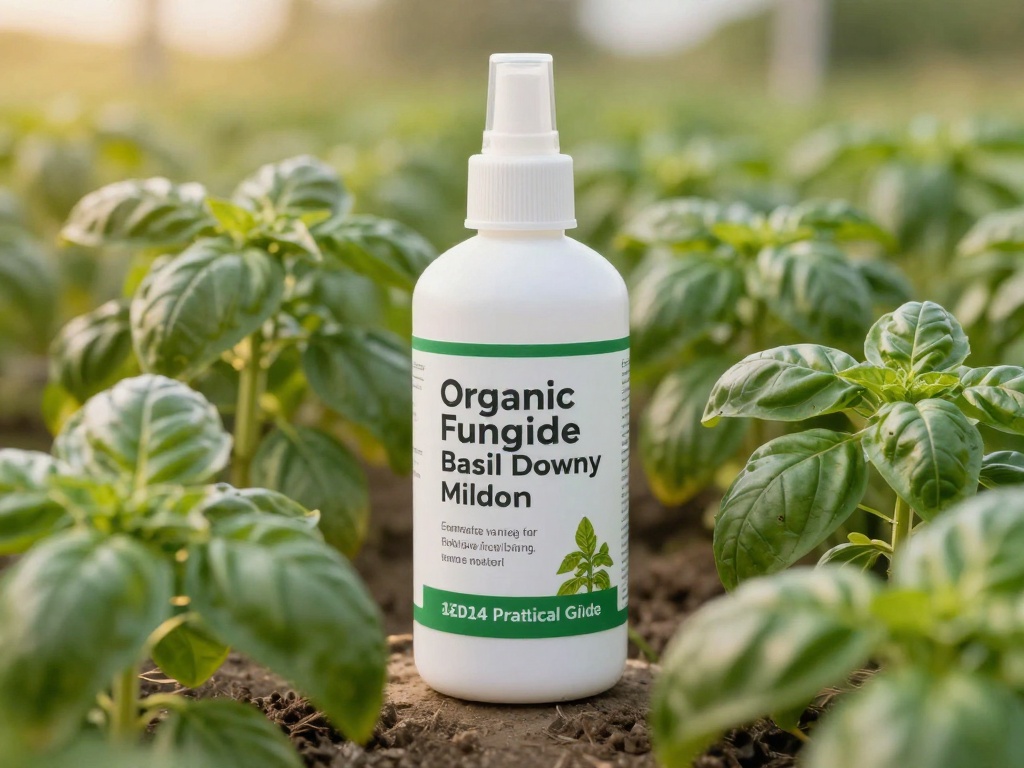
Organic Fungicide for Basil Downy Mildew: 2024 Practical Guide
Basil downy mildew is a devastating fungal disease that can wipe out an entire herb garden in weeks, but organic fungicide for basil downy mildew offers a safe, sustainable solution to protect your plants. Unlike synthetic alternatives, organic options avoid harsh chemical residues, making them ideal for home gardeners and commercial organic growers alike.
What Is Basil Downy Mildew?
According to the University of Massachusetts Extension, basil downy mildew is caused by the pathogen *Peronospora belbahrii*, a water mold that spreads via tiny airborne spores. The fungus thrives in cool, humid conditions with 6 or more hours of leaf wetness, making it a common issue in spring and fall gardens.
Signs of Basil Downy Mildew
Early signs include pale yellow or brown angular spots on upper basil leaves, followed by a fuzzy gray or purple growth on the undersides of leaves. Infected leaves will eventually wilt and drop, leaving bare stems and destroying your basil harvest.
Why Choose Organic Fungicides for Basil Downy Mildew?
Synthetic fungicides can effectively treat basil downy mildew, but they often leave harmful chemical residues on edible leaves and can harm beneficial pollinators like bees. Organic fungicides for basil downy mildew are OMRI-listed for most certified organic gardens, safe for pollinators when applied correctly, and allow for safe harvest just days after treatment.
They also support long-term soil and ecosystem health, rather than introducing toxic chemicals that can disrupt local microbial communities.
Top Organic Fungicides for Basil Downy Mildew
Not all organic fungicides work equally well on basil downy mildew. Below are the most effective options, with detailed usage tips:
Copper-Based Fungicides
Copper-based fungicides like Bordeaux mixture or copper sulfate work by creating a protective barrier on leaf surfaces to block spore germination. They are affordable and widely available at garden centers.
Note: Avoid applying copper fungicides in direct hot sunlight, as they can cause leaf burn. Always follow label directions for dilution rates to prevent overapplication.
Neem Oil
Cold-pressed neem oil disrupts fungal cell membranes and inhibits spore growth, making it a popular organic treatment for basil downy mildew. It also repels common herb pests like aphids and whiteflies.
Mix 1-2 teaspoons of neem oil with 1 quart of water and a few drops of dish soap to help the oil emulsify, then spray thoroughly on all leaf surfaces.
Serenade ASO (Bacillus amyloliquefaciens)
Serenade ASO is a microbial fungicide that uses beneficial bacteria to colonize leaf surfaces and outcompete downy mildew spores. It is one of the most effective organic options for basil downy mildew, according to Cornell University’s Cooperative Extension.
It is safe for pollinators and leaves no harmful residues, making it a top choice for home gardeners.
Homemade Hydrogen Peroxide Spray
A simple 3% hydrogen peroxide spray can kill downy mildew spores on contact. Mix 1 cup of 3% hydrogen peroxide with 4 cups of water, then spray directly on infected leaves.
This option is budget-friendly, but it only works on contact, so thorough coverage is critical. It may require more frequent applications than commercial organic fungicides.
How to Apply Organic Fungicides for Basil Downy Mildew Effectively
Even the best organic fungicide will fail if applied incorrectly. Follow these key tips for maximum effectiveness:
- Target both leaf surfaces: Downy mildew often starts on the undersides of leaves, so spray the top and bottom of every leaf.
- Apply at the right time: Treat plants at the first sign of disease, and repeat every 7-10 days during humid or wet weather. Avoid applying in late afternoon, as this can leave leaves wet overnight and increase disease risk.
- Remove infected foliage first: Prune away any visibly infected leaves before applying fungicide to reduce the spread of spores.
- Improve air circulation: Space basil plants 12-18 inches apart and prune overcrowded growth to help leaves dry quickly after rain or watering.
Preventing Basil Downy Mildew Long-Term
The best way to manage basil downy mildew is to prevent it from taking hold in your garden. Follow these proactive steps:
- Use only disease-free basil seeds or transplants from reputable suppliers.
- Avoid overhead watering, which creates leaf wetness that favors fungal growth. Use a soaker hose or drip irrigation instead.
- Rotate basil plantings to a new spot in your garden each year, to avoid building up soil-borne pathogen spores.
- Clean garden tools between uses to prevent spreading spores from infected plants to healthy ones.
FAQ About Organic Fungicide for Basil Downy Mildew
What is the most effective organic fungicide for basil downy mildew?
Serenade ASO, which uses the beneficial bacteria *Bacillus amyloliquefaciens*, is widely regarded as the most effective organic fungicide for basil downy mildew, per Cornell University’s Cooperative Extension research.
Can I use homemade organic fungicides for basil downy mildew?
Yes, simple homemade options like 3% hydrogen peroxide spray or a copper-soap solution can help control basil downy mildew, though they may require more frequent applications than commercial products.
How soon can I harvest basil after applying organic fungicide?
Most organic fungicides allow for safe harvest within 24-48 hours of application, but always check the product label for specific wait times to ensure no residual risks.
Can organic fungicides reverse existing basil downy mildew damage?
Organic fungicides can stop the spread of the disease and protect healthy new growth, but they cannot reverse damage to already infected leaves. Removing infected foliage and improving growing conditions will boost the effectiveness of your treatment.
No comments