
Organic Slug Control for Lettuce Beds: 7 Proven 2024 Methods
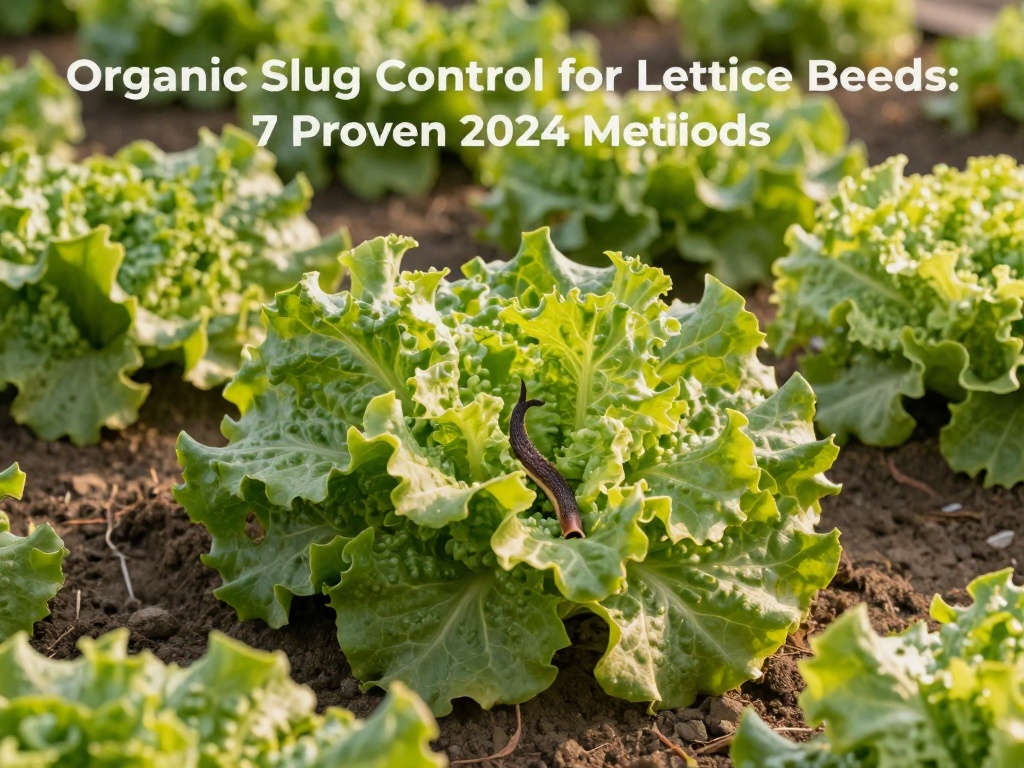
Organic Slug Control for Lettuce Beds: 7 Proven 2024 Methods
Slugs are one of the most frustrating pests for home gardeners growing lettuce, as they feast on young seedlings, tender leaves, and even mature heads, leaving ragged holes and slimy trails behind. Using organic slug control for lettuce beds is the safest way to protect your crop without leaving harmful residues on your edible greens, making it perfect for home growers and small-scale farmers alike, according to the University of California Statewide Integrated Pest Management Program (UC IPM). This guide breaks down seven effective, natural methods to keep slugs away from your lettuce plants all season long.
Why Slugs Target Lettuce Beds Specifically
What Attracts Slugs to Lettuce Plants
Lettuce’s soft, moisture-rich foliage and the cool, damp soil conditions common in lettuce beds create the ideal habitat for slugs. These nocturnal pests are most active after dark or on overcast, rainy days, when they can feed without drying out in the sun.
Slugs also seek out hiding spots in garden debris, weeds, and fallen leaves, so overgrown lettuce beds are especially vulnerable to infestations. Left untreated, a small slug population can quickly destroy an entire crop of young lettuce seedlings.
Top 7 Organic Slug Control Methods for Lettuce Beds
Beer Traps
One of the most popular and effective organic slug control methods is the beer trap. Bury shallow plastic or ceramic dishes flush with the soil surface in your lettuce bed, then fill them halfway with cheap beer or a homemade yeast-and-sugar water solution. Slugs are drawn to the fermented scent, crawl into the dish, and drown. Empty the traps every 2-3 days and refill with fresh solution to maintain effectiveness.
Copper Barrier Tape or Wire
Slugs receive a mild, harmless electric shock when they contact copper, so they avoid crossing copper barriers. Wrap 2-3 inch tall copper tape around the perimeter of your lettuce bed, or place crushed copper pennies or wire around the base of individual lettuce plants. Ensure there are no gaps in the barrier, as slugs can squeeze through even small openings.
Food-Grade Diatomaceous Earth
Food-grade diatomaceous earth (DE) is a powdery substance made from fossilized aquatic organisms. Its sharp microscopic edges cut through the soft exoskeleton of slugs, causing them to dehydrate and die. Sprinkle a thin, even layer around the base of your lettuce plants, taking care to reapply after rain or watering. Avoid inhaling the dust, and keep it away from beneficial pollinators when possible.
Slug-Repellent Companion Plants
Companion planting is a natural, low-effort way to repel slugs from your lettuce beds. Plant garlic, chives, lavender, rosemary, and thyme around the perimeter of your bed to deter slugs. Nasturtiums also act as a trap crop, attracting slugs away from your lettuce and onto their more appealing leaves. Replace heavily infested nasturtium plants if needed.
Crushed Eggshell Barriers
Crushed eggshells create a rough, sharp surface that slugs refuse to crawl over. Collect and bake eggshells at 300°F for 10 minutes to make them brittle, then crush them into small, sharp pieces. Spread a 1/2-inch layer around the base of your lettuce plants to create a protective barrier. Reapply after heavy rain, as water can wash away the shells.
Handpicking Slugs
This old-fashioned method is highly effective for small garden beds. Grab a flashlight and a bucket of soapy water after dark, when slugs are most active, and pick them off your lettuce plants, dropping them into the bucket to kill them. You can also place damp boards or cardboard in your lettuce bed during the day; slugs will hide under them, making it easy to collect and dispose of them all at once.
Beneficial Nematode Application
Steinernema feltiae, a species of microscopic beneficial nematodes, seek out and infect slugs with a fatal bacteria. Mix the nematodes with water according to the package instructions, then water the solution into the soil of your lettuce bed. Apply in early spring or fall when soil temperatures are between 50°F and 80°F, and keep the soil moist for 1-2 weeks after application to help the nematodes establish.
Seasonal Maintenance for Organic Slug Control
To keep slugs at bay all season long, combine your chosen organic control methods with simple cultural practices. Keep your garden beds clean of debris, weeds, and fallen leaves to eliminate slug hiding spots. Water your lettuce in the morning instead of the evening, so the soil dries out during the day, making it less favorable for slugs. Raised garden beds also dry out faster than in-ground beds, reducing slug activity overall.
Common Mistakes to Avoid With Organic Slug Control
Many gardeners make avoidable mistakes that reduce the effectiveness of their organic slug control efforts. These include using non-food-grade diatomaceous earth, which is toxic for humans and pets; applying DE when wet, which loses its sharp cutting edges; leaving gaps in copper or eggshell barriers; and overwatering lettuce beds, which creates ideal slug habitat.
FAQ About Organic Slug Control for Lettuce Beds
Is organic slug control safe for edible lettuce?
Yes, all the methods outlined in this guide use non-toxic, food-safe materials, so you won’t have to worry about harmful residues on your lettuce harvest. Always follow package instructions for commercial products like nematodes to ensure safe use.
How often do I need to reapply organic slug control barriers?
Most physical barriers like eggshells, copper tape, and diatomaceous earth need to be reapplied after heavy rain or watering, as moisture can wash them away or reduce their effectiveness. Beer traps should be emptied and refilled every 2-3 days to maintain their attractiveness to slugs.
Can I use coffee grounds for organic slug control on lettuce beds?
Absolutely! Crushed coffee grounds create a rough, acidic surface that slugs avoid crawling over, and they also add valuable organic nutrients to your soil. Spread a 1 to 2-inch layer around the base of your lettuce plants for best results.
What’s the best way to prevent slugs from returning to my lettuce beds?
Combine multiple organic slug control methods for maximum effectiveness, keep your garden clean and free of hiding spots, water in the morning, and use raised beds to reduce slug habitat. Regularly inspect your plants for signs of slug activity to catch infestations early.
No comments