
5 Proven Tips for Rye Cover Crop Termination for Soybeans
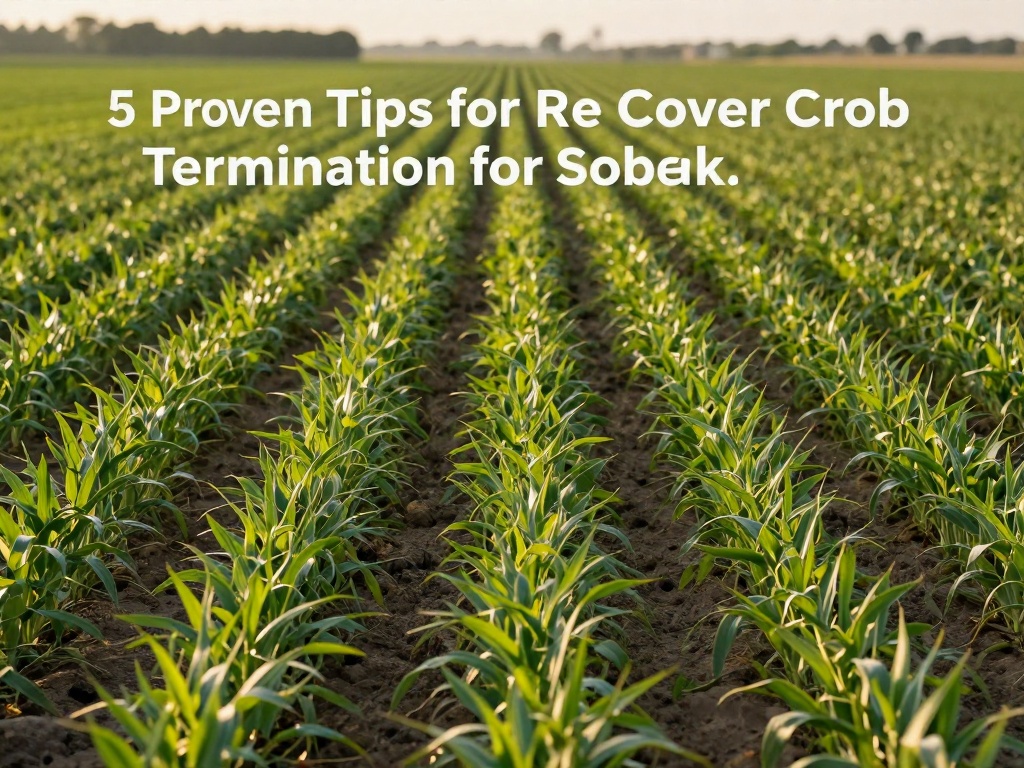
5 Proven Tips for Rye Cover Crop Termination for Soybeans
Rye cover crop termination for soybeans is a critical step in sustainable row crop farming that directly impacts soybean yields, weed pressure, and long-term soil health. Many growers overlook the subtle nuances of terminating rye cover crops, leading to avoidable issues like delayed planting, poor soybean emergence, or tied-up soil nitrogen.
Why Timing Is Everything for Rye Cover Crop Termination
The USDA Agricultural Research Service notes that rye termination timing balances biomass production, nitrogen availability, and compatibility with soybean planting schedules. Terminate too early, and you miss out on the full soil-building and weed-suppressing benefits of a mature rye cover crop. Terminate too late, and rye can become overly competitive with young soybean seedlings.
Ideal Rye Growth Stage for Termination
The sweet spot for rye cover crop termination for soybeans is the boot stage to early heading. At this point, rye has accumulated 80-90% of its maximum biomass, and soil nitrogen levels remain high without the risk of widespread tie-up as residue decomposes. Terminating after full heading can lead to excessive woody biomass that is hard to crimp or kill with herbicides.
5 Proven Tips for Effective Rye Cover Crop Termination
1. Terminate Rye at the Correct Growth Stage
Stick to the boot-to-early-heading window for best results. For spring-planted soybeans, this typically falls 2-3 weeks before your planned planting date, depending on local weather and rye growth rates. Avoid terminating rye when it is drought-stressed, as it may not die completely even after herbicide application or crimping.
2. Pick the Right Termination Method for Your Farm System
Two most common methods are herbicide burndown and roller-crimping for no-till soybeans. For conventional tillage, a tandem disc or field cultivator can incorporate rye residue into the soil after termination. For no-till systems, a roller-crimper creates a tight, uniform mulch layer that smothers rye without disrupting soil structure. Penn State Extension recommends rolling rye in the late afternoon when stems are more flexible to reduce breakage and ensure full kill.
3. Adjust for Current Weather and Soil Conditions
Dry, warm conditions speed up rye maturation, so you may need to terminate 3-5 days earlier than planned. Wet soils can delay termination, as heavy equipment will compact soil and harm future soybean roots. Avoid terminating right before a heavy rain, as this can wash away herbicide or move mulch out of planting rows.
4. Manage Rye Biomass to Avoid Soybean Competition
Aim for 3-6 tons of rye biomass per acre for optimal soybean growth. Excess biomass (over 6 tons per acre) can create a thick mulch barrier that prevents soybean seedlings from pushing through, or cause temporary nitrogen tie-up as residue decomposes. If rye growth is excessive, consider baling a portion of the cover crop before termination to reduce residue levels and avoid yield losses.
5. Align Termination With Soybean Planting Timing
For most no-till systems, terminate rye 7-10 days before planting to allow any initial nitrogen tie-up to resolve. For conventional tillage, you can plant immediately after incorporating residue, but wait until fields are dry enough to avoid compaction. If using a roller-crimper, plant soybeans directly into the crimped mulch within 24 hours to prevent rye from regrowing.
Common Mistakes to Avoid
Many growers make three key errors with rye cover crop termination for soybeans: terminating too late, using the wrong herbicide rate, and ignoring soil compaction. Late termination leads to overly tough residue that cannot be properly crimped, while under-applying herbicide can leave patches of rye that compete with soybeans. Driving equipment on wet soil after termination can compact soil and reduce soybean root growth long-term.
How Proper Termination Boosts Soybean Yields and Soil Health
According to a 2023 USDA study, farms that use proper rye cover crop termination for soybeans see an average 8-12% increase in soybean yields compared to fields without cover crops. The mulch layer created by terminated rye reduces soil erosion, retains soil moisture during dry spells, and adds organic matter that improves soil structure over time. Rye also scavenges excess soil nitrogen, preventing leaching, and releases that nitrogen back to soybeans as residue decomposes.
Frequently Asked Questions About Rye Cover Crop Termination for Soybeans
What’s the best time to terminate rye before planting soybeans?
The ideal window is rye’s boot stage to early heading, 7-10 days before your planned soybean planting date. This balances maximum biomass production with minimal risk of nitrogen tie-up or soybean competition.
Can I terminate rye cover crops without using herbicides?
Yes! A roller-crimper is a popular no-herbicide option for no-till soybean systems. This tool crimps rye stems at early heading, killing the crop and creating a protective mulch layer that suppresses weeds.
How much rye biomass is too much for soybean fields?
Any biomass over 6 tons per acre can create a thick mulch barrier that blocks young soybean seedlings and may cause temporary nitrogen tie-up as the residue breaks down. Baling excess rye before termination can reduce these issues.
No comments