
Hydroponic Basil Nutrient pH Range: 2024 Grower’s Guide
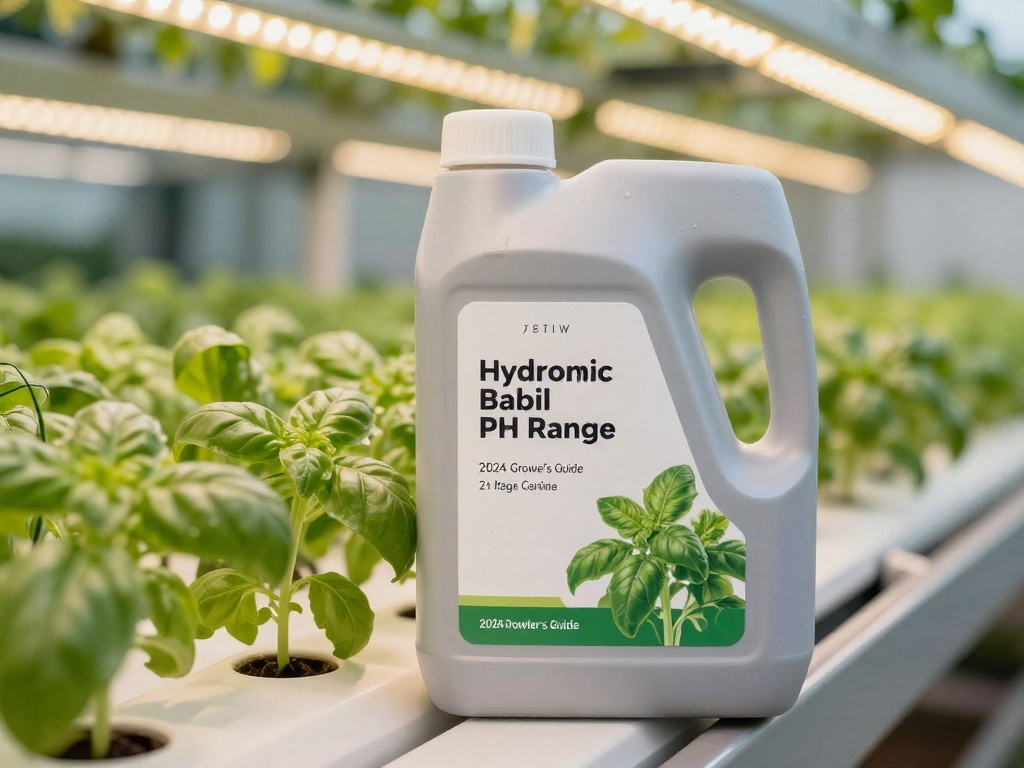
Hydroponic Basil Nutrient pH Range: 2024 Grower’s Guide
Hydroponic basil relies entirely on nutrient solutions delivered directly to its roots, so maintaining the correct hydroponic basil nutrient pH range is non-negotiable for healthy growth and flavorful leaves. Even small pH fluctuations can cause nutrient lockout, stunted growth, or reduced yields for this popular herb.
What Is the Ideal Hydroponic Basil Nutrient pH Range?

According to the University of Florida IFAS Extension, hydroponic basil thrives in a precise pH range of 6.0 to 6.5, with 6.2 being the optimal sweet spot. This range ensures all essential macro and micronutrients stay soluble and available for the plant’s roots to absorb.
Outside this window, nutrient availability drops sharply. For example, iron and manganese become insoluble below pH 5.5, while phosphorus and calcium lock out at pH levels above 7.0.
How pH Impacts Hydroponic Basil Growth
Nutrient Lockout Explained
Nutrient lockout occurs when pH levels stray outside the ideal range, turning critical nutrients into forms the basil plant cannot take up. This leads to visible deficiency symptoms even when nutrients are present in the reservoir.
Visual Signs of Incorrect pH
Yellowing younger leaves (a sign of iron deficiency) are the first common indicator of improper pH. Other signs include brown leaf tips, slow new growth, and small, bland-tasting leaves.
Yield and Flavor Impact
Maintaining the correct hydroponic basil nutrient pH range also boosts essential oil production, which gives basil its signature aromatic, peppery flavor. Plants grown at optimal pH produce higher yields and more flavorful harvests.
How to Test and Adjust Hydroponic Basil pH
Testing pH regularly is the key to keeping your basil healthy. Use a digital pH meter for the most accurate readings, or opt for liquid test kits or pH strips as a budget-friendly alternative.
Lowering High pH Levels
If your reservoir’s pH rises above 6.5, lower it using food-grade citric acid, phosphoric acid, or diluted white vinegar. Add small increments of the acid, wait 15 to 20 minutes, then retest before adding more.
Raising Low pH Levels
For pH levels below 6.0, use potassium hydroxide or diluted agricultural calcium carbonate to raise levels. Again, add small amounts and retest to avoid over-adjusting.
Stabilizing Long-Term pH
Use a pH buffer solution to keep levels consistent, especially in recirculating hydroponic systems where waste buildup can gradually alter pH over time.
Pro Tips for Long-Term pH Maintenance
- Test your source water first: Most tap water has a pH between 6.5 and 8.5, so adjust it before mixing nutrients.
- Avoid overfeeding: Excess fertilizer can spike pH and cause salt buildup in the reservoir.
- Clean reservoirs every 2 to 4 weeks: Algae and bacterial growth can alter pH levels and harm basil roots.
- Choose herb-specific nutrient formulas: Many commercial hydroponic nutrients are formulated for the 6.0 to 6.5 pH range ideal for basil.
Frequently Asked Questions About Hydroponic Basil Nutrient pH Range
What happens if hydroponic basil pH is too high?
When pH rises above 6.8, basil will develop iron deficiency symptoms like yellowing young leaves, followed by stunted growth and reduced flavor. You will need to lower the pH with an acid additive to correct the imbalance.
Can I use tap water for hydroponic basil without adjusting pH?
Most tap water has a pH outside the ideal 6.0 to 6.5 range, so it almost always needs testing and adjustment before mixing with nutrients. Skip this step, and you may see sudden pH spikes in your reservoir.
How often should I check the pH of my hydroponic basil system?
For new hydroponic setups, test pH daily for the first week to establish stable levels. Once the system is balanced, test weekly, and check again after any nutrient or water top-offs to keep levels on target.
Getting the hydroponic basil nutrient pH range right is one of the simplest but most impactful steps you can take to grow vibrant, high-yielding basil plants. By testing regularly, making small adjustments as needed, and following these expert tips, you’ll enjoy fresh, aromatic basil harvests all year round.
No comments