
Organic Pest Control for Winter Squash: 7 Effective Methods
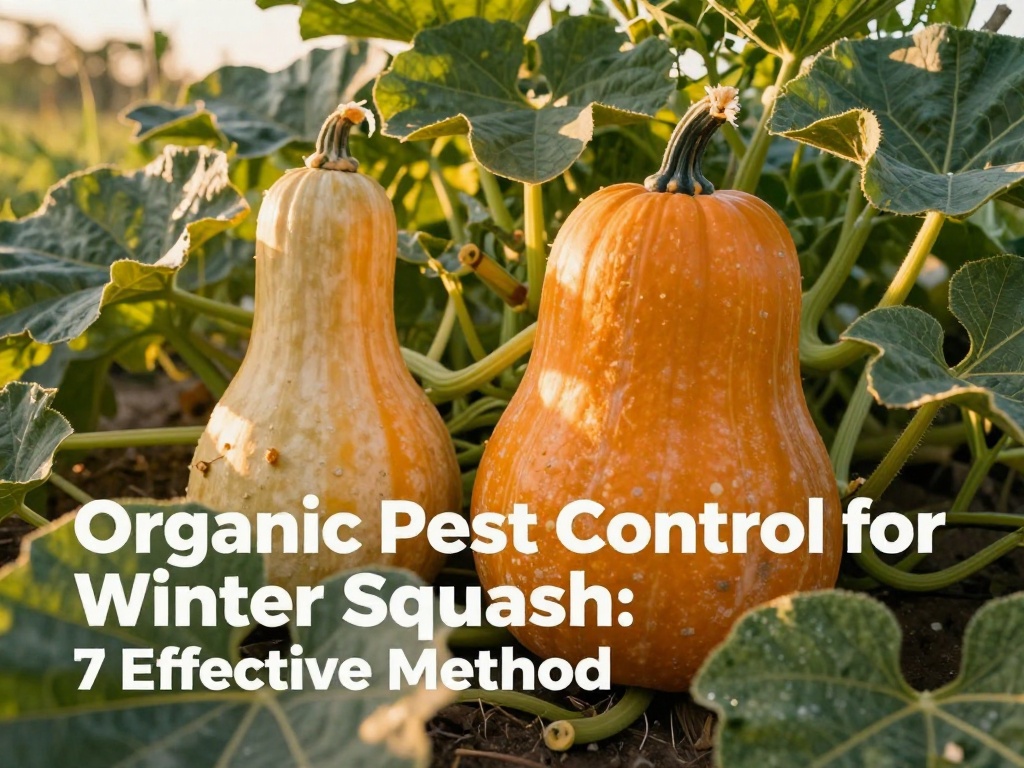
Organic Pest Control for Winter Squash: 7 Effective Methods
Winter squash—including butternut, acorn, and pumpkin—are staple crops for home gardeners, but they face constant threats from squash bugs, vine borers, aphids, and other pests. Organic pest control for winter squash lets you protect your harvest without exposing your family, pollinators, or soil to harsh synthetic chemicals. This guide breaks down science-backed, natural solutions to keep common squash pests at bay all growing season long.
Common Winter Squash Pests to Identify First
Knowing which pests target your winter squash is the first step to effective control. Here are the most common invaders:
Squash Bugs
Squash bugs are one of the most widespread winter squash pests, sucking sap from leaves and causing yellowing, wilting, or death of plants. They also lay bronze-colored eggs on the undersides of leaves in early summer.
Squash Vine Borers
Squash vine borers tunnel into the stems of winter squash plants, causing sudden wilting and eventual death. Adult moths lay eggs at the base of plant stems in late spring.
Soft-Bodied Pests
Aphids and whiteflies cluster on the undersides of leaves, sucking sap and spreading plant diseases. Slugs and snails also feed on young squash seedlings and ripe fruit near the soil line.
7 Organic Pest Control Methods for Winter Squash
1. Floating Row Covers for Physical Exclusion
Floating row covers are a top recommendation from the USDA Agricultural Research Service for blocking squash pests. Secure lightweight, breathable fabric over your squash beds at planting time, before pests arrive. Remove the covers once plants begin to flower to allow pollinators access to blooms.
2. Neem Oil Treatments
Neem oil, a natural insecticide derived from the neem tree, disrupts the feeding and reproduction of squash pests. According to the University of California Cooperative Extension, mix 1-2 teaspoons of neem oil with a quart of water and a drop of mild castile soap, then spray leaves every 7-10 days. Avoid applying during bloom to protect pollinators.
3. Food-Grade Diatomaceous Earth
Use food-grade diatomaceous earth (DE) to kill soft-bodied pests like aphids, whiteflies, and squash bugs by abrading their exoskeletons. Sprinkle a thin layer of DE around the base of plants and on leaf undersides, and reapply after rain or watering. Keep DE away from blooming flowers to avoid harming pollinators.
4. Companion Planting
Planting companion crops alongside winter squash repels pests naturally. Marigolds deter squash bugs, nasturtiums repel squash vine borers and aphids, and radishes ward off cucumber beetles. Avoid planting winter squash near potatoes or brassicas, which can attract shared pests.
5. Handpicking and Trap Cropping
Handpick adult squash bugs and their eggs off leaves daily, and drop them into a bucket of soapy water to kill them. For squash vine borers, plant trap crops like blue Hubbard squash a few weeks before your main squash crop to attract egg-laying moths, then destroy the infested trap crop plants before borers emerge.
6. Beneficial Insect Releases
Release beneficial insects like ladybugs, lacewings, and parasitic Trichogramma wasps to target squash pest eggs and larvae. Trichogramma wasps, in particular, lay their eggs inside squash vine borer and squash bug eggs, preventing them from hatching. Buy beneficial insects from a reputable organic supplier and release them at dusk to avoid heat stress.
7. Post-Season Sanitation
Clean up all crop debris from your squash beds at the end of the growing season to eliminate overwintering pest habitats. Rotate winter squash to a different spot in your garden each year, and till the soil in fall to expose overwintering pests to birds and cold temperatures, reducing next year’s infestations.
Best Timing for Organic Pest Control for Winter Squash
Timing is critical for effective organic pest control. Apply row covers at planting, and start monitoring for pests once temperatures reach 60°F. Begin neem oil or DE treatments at the first sign of infestation, and remove row covers as soon as flowers appear to support pollination. Sanitation practices should be completed immediately after harvest to prevent pests from overwintering.
Frequently Asked Questions About Organic Pest Control for Winter Squash
Is organic pest control for winter squash as effective as synthetic chemicals?
Yes, when applied correctly, organic pest control methods can reduce pest populations enough to protect your winter squash harvest. Unlike synthetic chemicals, organic options break down quickly in the environment and do not leave harmful residues on your produce. You may need to monitor your plants more frequently than with synthetic options, but the benefits for your garden and family are well worth the effort.
Can I use organic pest control methods during squash bloom?
Most organic products are safe once dry, but you should avoid spraying neem oil, insecticidal soap, or diatomaceous earth on blooming flowers to protect pollinators. Stick to handpicking, trap cropping, or companion planting during bloom to keep pests at bay without harming bees.
How do I get rid of squash vine borers organically?
Start by planting trap crops like blue Hubbard squash to attract adult moths, then remove and destroy infested trap crops. Inspect the base of your main squash plants regularly for small entry holes or frass (insect droppings), and inject a small amount of neem oil or DE into the stem if you find an infestation. Crop rotation and post-season sanitation will also help reduce squash vine borer populations over time.
What pests do organic pest control methods target on winter squash?
Most organic pest control methods for winter squash target common pests including squash bugs, squash vine borers, aphids, whiteflies, cucumber beetles, slugs, and snails. Each method is tailored to specific pests, so you can choose the best solution based on the pests affecting your garden.
No comments