
Late Frost Protection for Strawberry Crowns: 7 Proven Tips
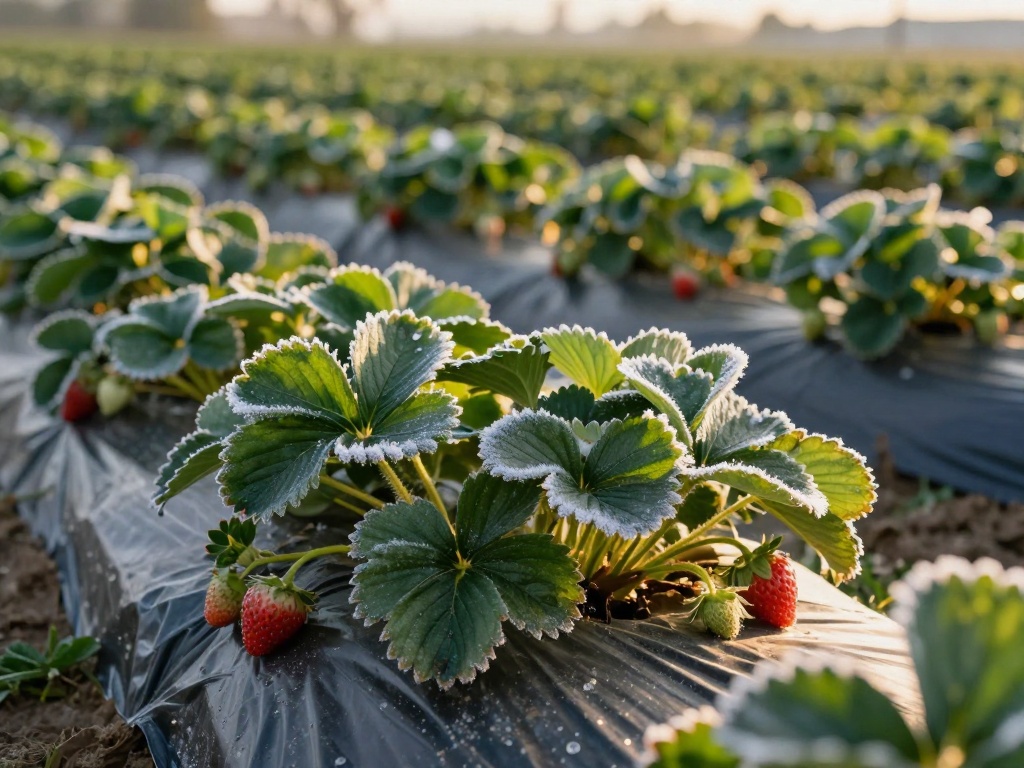
Late Frost Protection for Strawberry Crowns: 7 Proven Tips
Late frost protection for strawberry crowns is a critical spring task for home gardeners and commercial strawberry farmers alike. As temperatures dip below 28°F (-2°C) once the plants break winter dormancy, tender new shoots and flower buds emerge from strawberry crowns, making them highly vulnerable to frost damage. The USDA Agricultural Research Service reports that unprotected strawberry crops can lose 20-60% of their harvest to late spring frosts, depending on the timing and severity of the cold snap.
7 Proven Tips for Late Frost Protection for Strawberry Crowns
1. Track Local Frost Alerts
Start by monitoring local weather forecasts and signing up for frost alerts through your county extension office. Most gardeners rely on average last frost dates, but late frosts can strike 1-2 weeks after this projected window.
Strawberry crowns break dormancy when soil temperatures reach 40°F, so stay vigilant for cold snaps even after the official last frost date passes.
2. Install Floating Row Covers
Floating row covers are lightweight, breathable fabrics that trap radiant heat around strawberry crowns without crushing tender new shoots. Secure the covers tightly to the ground with soil, stakes, or landscape pins to block cold winds.
Remove the covers once daytime temperatures rise above 40°F to prevent overheating and allow pollinators access to blooming flowers.
3. Use Insulating Mulch
A 2-3 inch layer of straw, pine straw, or shredded leaves insulates strawberry crowns from rapid temperature drops. Apply mulch in late fall, then pull it back slightly in early spring to encourage growth.
Replace the mulch immediately when a late frost is predicted to add an extra layer of protection for emerging crowns.
4. Set Up Windbreaks
Wind accelerates frost damage by stripping away surface heat from strawberry plants. Install temporary burlap screens, shrub hedges, or garden fencing around your strawberry beds to block cold winds.
Windbreaks are especially effective for open, exposed fields or backyard gardens with no natural shelter.
5. Deploy Overhead Irrigation
Overhead irrigation is a widely used commercial method for protecting strawberry crowns from frost. When water freezes on plant tissue, it releases latent heat that keeps crowns at a stable 32°F (0°C), preventing internal cell damage.
Run irrigation continuously from when temperatures hit 32°F until they rise above freezing, and stop once the sun is fully up to avoid heavy ice buildup.
6. Use Portable Heat Sources for Small Plantings
For small backyard patches, incandescent string lights or low-wattage heat lamps generate gentle heat to protect strawberry crowns. Avoid open flames, which pose a fire risk, and cover the area with a row cover to trap heat.
This method is not cost-effective for large commercial fields, but works well for 10-20 individual strawberry plants.
7. Add Individual Plant Cloches
Clear plastic or glass cloches create a mini greenhouse around single strawberry crowns, trapping heat and protecting tender growth from late frosts. Remove cloches during the day to prevent overheating and allow pollination.
Cloches are ideal for small, high-value strawberry patches where targeted protection is needed.
Post-Frost Care for Damaged Strawberry Crowns
Even with the best protection, some strawberry crowns may sustain frost damage. Wait 3-5 days to assess the extent of the damage, as damaged tissue can protect new, healthy buds from further harm.
Water plants lightly with a diluted, balanced fertilizer solution to support recovery, and avoid overwatering, as soggy soil can rot damaged crowns. Prune away only fully brown, dead foliage once new growth begins to emerge.
Mild frost damage will typically reduce yields by 10-20%, while severe damage may require replanting affected areas.
Frequently Asked Questions About Late Frost Protection for Strawberry Crowns
How early can I start protecting strawberry crowns from late frosts?
You can start protecting strawberry crowns once you see early green shoots emerging from the soil, typically 2-3 weeks before the average last frost date for your area. Monitor local weather forecasts closely to adjust your protection plan as needed.
Can I use bed sheets for late frost protection for strawberry crowns?
Yes, clean cotton bed sheets make an affordable alternative to commercial floating row covers. Secure the sheets tightly to the ground to prevent cold air from seeping in, and remove them during the day to avoid overheating.
Will frost damage kill my strawberry crowns permanently?
Most strawberry crowns will recover from mild frost damage, but severe frost that kills all emerging shoots and crown tissue may require replanting. Wait 1-2 weeks after the frost to see if new growth sprouts before deciding to replace plants.
How do I know if my strawberry crowns have been damaged by frost?
Frost-damaged strawberry crowns will have brown, wilted shoots and flower buds. The crown itself may feel soft or mushy if the damage is severe. Mild damage may only cause minor browning of leaf edges, with full recovery within a few weeks.
Late frost protection for strawberry crowns doesn’t have to be complicated or expensive. By combining passive methods like row covers and mulch with active techniques like overhead irrigation, you can safeguard your harvest and enjoy a bountiful strawberry crop this season. Always check local weather alerts ahead of predicted frosts, and adjust your protection plan to fit the size of your strawberry beds.
No comments