
Pasture Rotation Schedule for Dairy Goats: 2024 Practical Guide
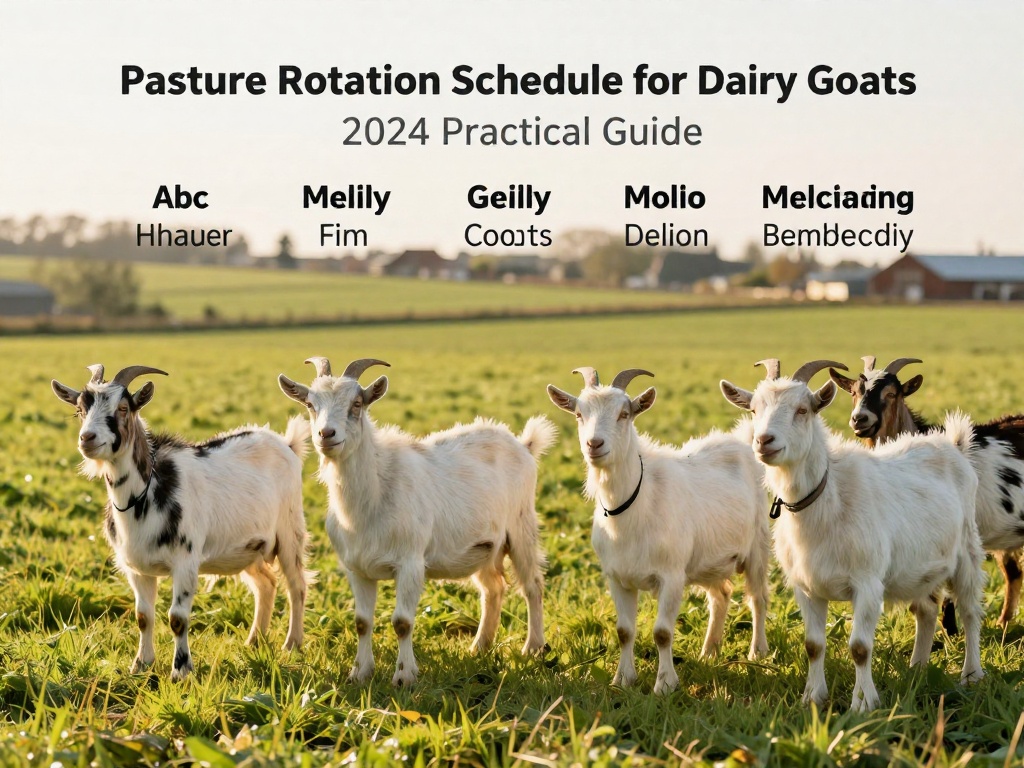
Pasture Rotation Schedule for Dairy Goats: 2024 Practical Guide
A pasture rotation schedule for dairy goats is a structured grazing system that moves your herd between designated paddocks to let grazed areas regrow, reduce parasite buildup, and provide nutrient-dense forage for lactation. Unlike continuous grazing, this tailored plan addresses the unique needs of dairy goats, which require fresh, tender grass to support strong milk production. This guide breaks down every step to build a sustainable, herd-friendly rotation for your dairy goat operation.
What Is a Pasture Rotation Schedule for Dairy Goats?
This system splits your total pastureland into smaller, managed paddocks. You move your dairy goat herd from one paddock to the next once forage levels drop to a sustainable threshold, typically when grass is cut to 2-3 inches tall. Rested paddocks regrow undisturbed, ensuring your herd always has access to high-quality vegetation.
Key Benefits of Pasture Rotation for Dairy Goats
Boost Milk Production
Fresh, young grass contains more protein and energy than mature, overgrazed plants, making it ideal for lactating dairy goats. A 2023 USDA Agricultural Research Service study found that rotational grazing increased dairy goat milk yields by 12-15% compared to continuous grazing.
Reduce Internal Parasites
Continuous grazing allows parasite eggs and larvae to accumulate in pasture soil, forcing goats to reingest them with every bite. Rotation moves your herd away from contaminated ground before parasite levels spike, cutting infection rates by up to 70% according to the University of Wisconsin Extension Livestock Program.
Improve Soil and Pasture Health
Rotational grazing prevents overgrazing, which protects soil structure and encourages deep root growth in pasture plants. This leads to healthier soil, better water retention, and increased biodiversity in your grazing land.
Lower Feed Costs
By maximizing homegrown forage, you can reduce the amount of commercial feed you purchase for your dairy herd. Small-scale farmers can save hundreds of dollars annually by relying on rotational grazing for most of their goats’ forage needs.
Step-by-Step Pasture Rotation Schedule for Dairy Goats
Step 1: Calculate Pasture and Herd Size
First, assess your total available pastureland and count your dairy goats. The ideal stocking density for dairy goats is 4-6 goats per acre of good-quality pasture. Split your land into 4-6 equal paddocks for a standard herd of 10-12 goats, per University of Minnesota Extension recommendations.
Step 2: Set Rotation Timing
Most dairy goat herds rotate every 1-3 days, depending on forage growth rates. In peak spring growth, you may move goats daily to avoid overgrazing. In cooler, slower-growing seasons, extend intervals to 3-5 days.
Step 3: Equip Paddocks for Herd Needs
Each paddock must have access to clean, fresh water and a mineral feeder, so your herd doesn’t travel far for critical supplies. Add shade structures in warm climates to protect lactating goats from heat stress.
Sample 4-Paddock Rotation Plan
For a 10-goat dairy herd, a 4-paddock system works as follows: Move goats to Paddock 1 on Day 1, Paddock 2 on Day 2, Paddock 3 on Day 3, Paddock 4 on Day 4, then return to Paddock 1 once it has regrown to 6-8 inches tall. This rest period allows grass to fully recover before the next grazing cycle.
Seasonal Adjustments for Dairy Goat Pasture Rotation
Spring
Spring brings rapid forage growth, so you can rotate your herd every 1-2 days to take advantage of tender new grass. Monitor soil moisture to avoid compacting pastures with frequent goat traffic.
Summer
Hot summer weather slows grass growth, so extend rest periods to 21-30 days for cool-season grasses and 30-45 days for warm-season varieties. Add extra water and shade stations to keep lactating goats cool and hydrated.
Fall
Fall is critical for building forage reserves for winter. Limit rotation to every 3-4 days to avoid overgrazing, and allow plants to store energy in their roots for the coming cold months.
Winter
Most pastures go dormant in winter, so switch to dry lot grazing or supplemental hay. If using a dry lot, rotate between small sections to prevent overgrazing and mud buildup, which can cause hoof issues in goats.
Common Mistakes to Avoid
Even a well-planned rotation can fail if you make these common errors:
- Overstocking paddocks: Too many goats in a small area will quickly overgraze vegetation and spread parasites.
- Ignoring forage height: Don’t move goats back to a paddock until grass has regrown to at least 6 inches tall.
- Skipping parasite testing: Even with rotation, test goat manure quarterly for parasite eggs to catch infections early.
- Forgetting essential supplies: Each paddock needs access to water, minerals, and shade to keep your herd healthy.
Frequently Asked Questions About Dairy Goat Pasture Rotation
How often should I rotate my dairy goats between paddocks?
Most dairy goat herds rotate every 1-3 days, depending on forage growth rates. Summer rotations may be daily, while winter rotations can extend to 3-5 days as grass grows more slowly.
How many paddocks do I need for a small dairy goat herd?
A small herd of 8-12 dairy goats typically needs 4-6 paddocks to allow proper rest periods for each pasture section and avoid overgrazing.
What’s the ideal forage height before rotating dairy goats back to a paddock?
Wait until pasture grass reaches 6-8 inches tall before moving your herd back. This gives plants enough time to regrow and store energy for future grazing cycles.
Can I mix dairy goats with other livestock in rotated pastures?
Yes, pairing dairy goats with sheep or cattle can help reduce parasite loads, as different species host distinct parasites. Just adjust stocking density to account for all animals in the herd.
No comments