
Crop Rotation for Corn and Soybeans: 7 Proven Benefits & Practical Guide
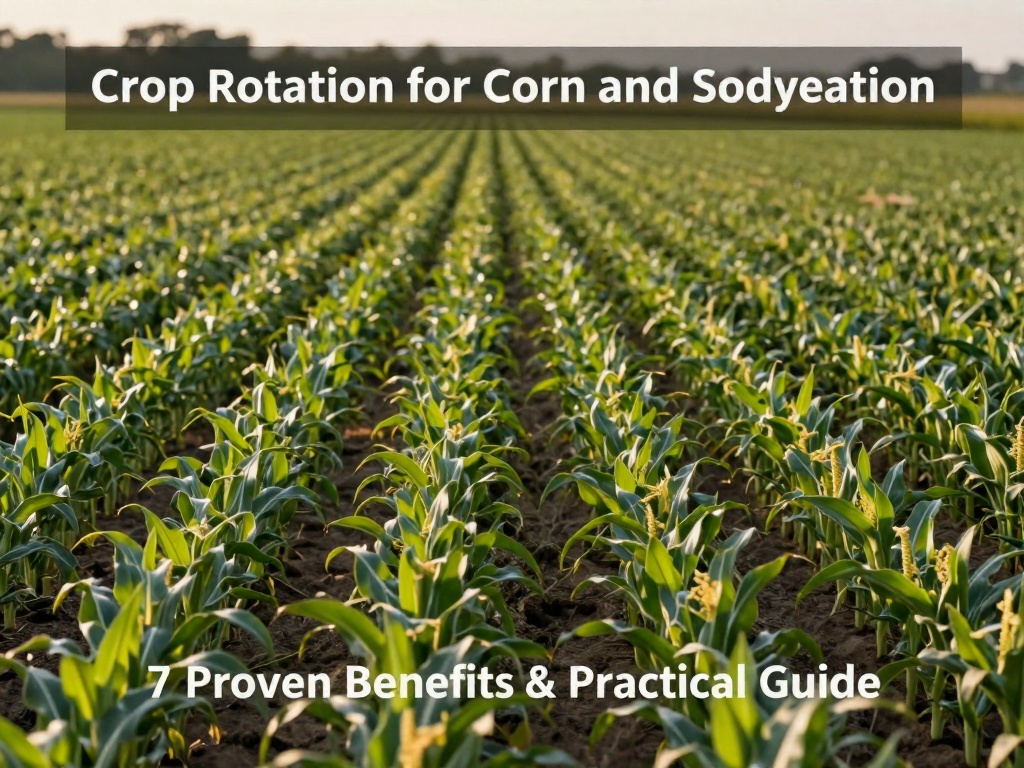
Crop Rotation for Corn and Soybeans: 7 Proven Benefits & Practical Guide
Corn and soybeans are two of the most widely grown row crops in North America, with millions of acres planted annually in monoculture rotations. Crop rotation for corn and soybeans is a sustainable farming practice that breaks this repetitive cycle, delivering long-term benefits for yields, soil health, and overall farm profitability.

What Is Crop Rotation for Corn and Soybeans?
Crop rotation for corn and soybeans involves alternating the two cash crops in sequential growing seasons, rather than planting the same crop in the same field year after year. The most basic rotation is a 2-year cycle: corn one year, soybeans the next.
Many farmers expand this to extended 3- or 4-year rotations, adding small grains like wheat or oats, or cover crops, to amplify benefits. These extended rotations go beyond simple corn-soy alternation to address specific soil or pest issues on a farm.
Standard vs. Extended Corn-Soy Rotations
A standard 2-year corn-soy rotation is low-effort and easy to manage, making it popular for small to mid-sized farms. Extended rotations, however, add third and fourth crops to break pest cycles more effectively and improve soil organic matter at a faster rate.
7 Key Benefits of Crop Rotation for Corn and Soybeans
1. Boosts Crop Yields
According to the USDA Agricultural Research Service, corn yields in a corn-soy rotation are 5-10% higher than continuous corn monocrops. Soybean yields also improve by 3-7% when rotated with corn, as reduced soil disease pressure supports healthier root growth.
2. Reduces Pest and Disease Pressure
Monocropping corn creates ideal conditions for pests like corn rootworm and diseases like gray leaf spot. Rotating with soybeans breaks these cycles, as rootworms do not feed on soybean roots. Similarly, soybean cyst nematode populations drop when corn is planted after soybeans.
3. Cuts Input Costs
Farmers spend billions annually on synthetic pesticides and fertilizers for monocrop row crops. Crop rotation for corn and soybeans reduces the need for these inputs: insecticide use for corn rootworm can drop by 25-30% in rotated fields, per the University of Illinois Extension.
4. Improves Soil Health
Corn is a heavy nitrogen feeder, while soybeans fix atmospheric nitrogen in the soil via their root nodules. Alternating the two crops balances soil nutrient levels naturally, reducing the need for synthetic nitrogen fertilizers. Rotation also improves soil structure and increases organic matter over time.
5. Reduces Soil Erosion
Extended corn-soy rotations often include cover crops, which protect bare soil between cash crop planting seasons. This reduces wind and water erosion, a major issue for row crop farms in the Midwest and Great Plains.
6. Enhances Carbon Sequestration
Rotated fields store more carbon in soil than monocrop fields, as diverse root systems and increased organic matter trap atmospheric carbon. This helps farms reduce their carbon footprint while improving long-term soil fertility.
7. Improves Farm Resilience
Crop rotation reduces the risk of total crop failure from pests or extreme weather. If one crop fails due to drought or disease, the alternating crop is likely to perform better, creating a more stable income stream for farmers.
How to Implement Corn and Soybean Crop Rotation Successfully
Follow these steps to set up a successful crop rotation for corn and soybeans on your farm:
- Test Your Soil First: Conduct annual soil tests to adjust fertilizer and nutrient plans based on your field’s specific needs.
- Choose Compatible Cover Crops: Add cover crops like cereal rye or hairy vetch between cash crops to boost soil health and suppress weeds.
- Adjust Your Planting Schedule: Align planting times with your rotation cycle to ensure optimal growing conditions for each crop.
- Monitor Pest and Disease Levels: Track pest populations in rotated fields to avoid unexpected outbreaks, even with alternated crops.
Common Mistakes to Avoid With Corn-Soy Rotation
Even well-planned crop rotations can fail if you make these common errors:
- Skipping Cover Crops: Failing to add cover crops between cash crops eliminates many of the soil health and erosion control benefits of rotation.
- Sticking Too Strictly to a 2-Year Cycle: A 2-year rotation is effective, but extended rotations deliver greater long-term benefits for soil and pest control.
- Ignoring Soil Test Results: Assuming rotated fields need the same fertilizer levels as monocrop fields can lead to over-fertilization or nutrient deficiencies.
Frequently Asked Questions About Crop Rotation for Corn and Soybeans
What’s the difference between a 2-year and 4-year corn-soybean rotation?
A 2-year rotation alternates corn and soybeans annually, while a 4-year rotation adds two additional crops, often small grains or cover crops. Extended rotations deliver even greater soil and pest control benefits, per USDA research.
Can cover crops be integrated into corn-soybean crop rotation?
Yes, cover crops like cereal rye, hairy vetch, or tillage radish are commonly planted between cash crops. They add soil organic matter, suppress weeds, and reduce erosion, boosting the overall success of your rotation.
How does crop rotation for corn and soybeans lower farming costs?
Rotating corn and soybeans reduces the need for synthetic pesticides and fertilizers. For example, corn rootworm pressure drops in rotated fields, cutting insecticide costs by up to 30% for some farmers, per the University of Illinois Extension.
Will crop rotation for corn and soybeans improve soil health?
Absolutely. Alternating corn and soybeans breaks pest and disease cycles, improves soil structure, and increases organic matter levels. Rotated fields also sequester more carbon, helping to mitigate climate change impacts on farms.
Crop rotation for corn and soybeans is an evidence-based, sustainable farming practice that delivers measurable benefits for yields, costs, and soil health. Whether you use a basic 2-year cycle or an extended rotation, taking the time to plan and implement a rotation strategy will improve your farm’s long-term profitability and resilience.
No comments