
Straw Mulch for Raspberry Beds: 7 Key Benefits & How to Apply
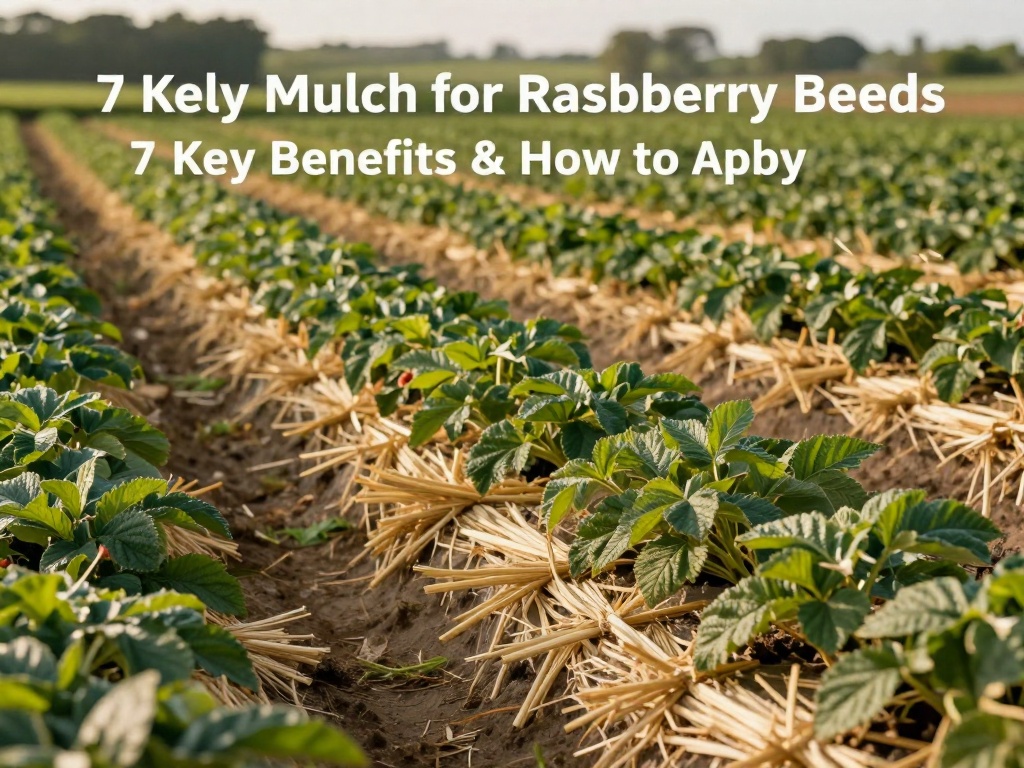
Straw Mulch for Raspberry Beds: 7 Key Benefits & How to Apply
Straw mulch for raspberry beds is one of the most affordable, effective soil amendments and protective coverings for small-scale home gardens and commercial berry farms alike. Raspberries are finicky plants that thrive in well-drained, moisture-retentive soil, and straw mulch delivers exactly that and more.
7 Science-Backed Benefits of Straw Mulch for Raspberry Beds
Consistent Moisture Retention
Raspberries require 1 to 2 inches of water per week, especially during fruiting season. According to the Rodale Institute, straw mulch reduces soil evaporation by up to 70%, cutting down on watering time and ensuring steady moisture access without waterlogging delicate root zones.
Effective Weed Suppression
Weeds compete with raspberry plants for nutrients, sunlight, and water, reducing yields by up to 30% in unmanaged beds. A 2-3 inch layer of straw mulch blocks sunlight from weed seeds, preventing germination and cutting down on manual weeding work.
Root Temperature Regulation
Raspberry roots are sensitive to extreme temperatures. The University of California Agriculture and Natural Resources reports that straw mulch keeps soil 5 to 10 degrees Fahrenheit cooler than bare soil in summer, while insulating roots from winter frost and freezing winds.
Improved Long-Term Soil Health
As straw breaks down over time, it adds organic matter to soil, improving structure and boosting microbial activity. This helps convert nutrients into a form raspberries can easily absorb, reducing the need for synthetic fertilizers by up to 25% over 1-2 years.
Pest and Disease Deterrence
Straw mulch creates a barrier between soil-borne pathogens and raspberry fruit, preventing diseases like botrytis and raspberry root rot from splashing onto canes and berries. It also deters slugs and snails, which seek out tender raspberry foliage and fruit.
Cost-Effective and Accessible
Unlike specialty mulches such as cedar or cypress, straw is widely available at farm supply stores, garden centers, and local farms. It’s one of the most affordable mulch options, making it ideal for large commercial beds or small home garden plots.
Step-by-Step Guide to Applying Straw Mulch
Proper application ensures you get the maximum benefits of straw mulch for raspberry beds. Follow these simple steps for best results.
Prep the Raspberry Bed First
Clear the bed of existing weeds, dead canes, and debris. Water the soil thoroughly 1 to 2 days before applying mulch to moisten the root zone. If needed, add a balanced organic fertilizer before mulching to feed plants as the straw decomposes.
Apply the Correct Depth
Stick to a 2 to 3 inch layer of straw mulch. Never pile mulch directly against raspberry canes, as this traps moisture against stems and causes rot. Leave a 1-inch gap around the base of each cane to protect the plant.
Time Your Application Correctly
The best time to apply straw mulch is in late spring, after soil has warmed and all danger of frost has passed. This allows soil to warm fully before protecting roots from summer heat. You can add a thin top layer in fall to insulate overwintering canes.
Maintain Your Mulch Bed
Every 6 to 12 months, add a 1-inch top dressing of fresh straw to replace material that has broken down. Each fall, remove old, moldy straw to prevent disease buildup in the bed. Avoid over-mulching, as this can lead to overly moist soil and root rot.
Common Mistakes to Avoid
Don’t ruin the benefits of straw mulch with these easy-to-fix errors:
- Don’t use hay instead of straw: Hay contains weed seeds that will sprout in your bed, creating extra work.
- Don’t pile mulch against canes: This causes stem rot and attracts pests.
- Don’t apply mulch too early in spring: Waiting until soil warms ensures raspberry plants get full solar heat for early growth.
- Don’t skip bed prep: Failing to clear weeds before mulching traps weeds under the straw, making them harder to remove later.
Frequently Asked Questions About Straw Mulch for Raspberry Beds
Can I use straw mulch for all raspberry varieties?
Yes, straw mulch works for all raspberry varieties, including red, black, purple, and golden raspberries. It’s especially well-suited for trailing varieties that grow close to the ground.
How often do I need to replace straw mulch?
Most straw mulch breaks down completely within 12 to 18 months. Add a 1-inch top dressing every 6 to 12 months to maintain the proper protective layer.
Is straw mulch better than plastic mulch for raspberry beds?
For most home and small-scale growers, yes. Straw allows for better soil aeration, adds organic matter over time, and is fully biodegradable. Plastic mulch traps excess moisture, requires disposal after use, and doesn’t improve soil health.
No comments