
7 Effective Organic Thrip Control for Onion Plants 2024 Tips
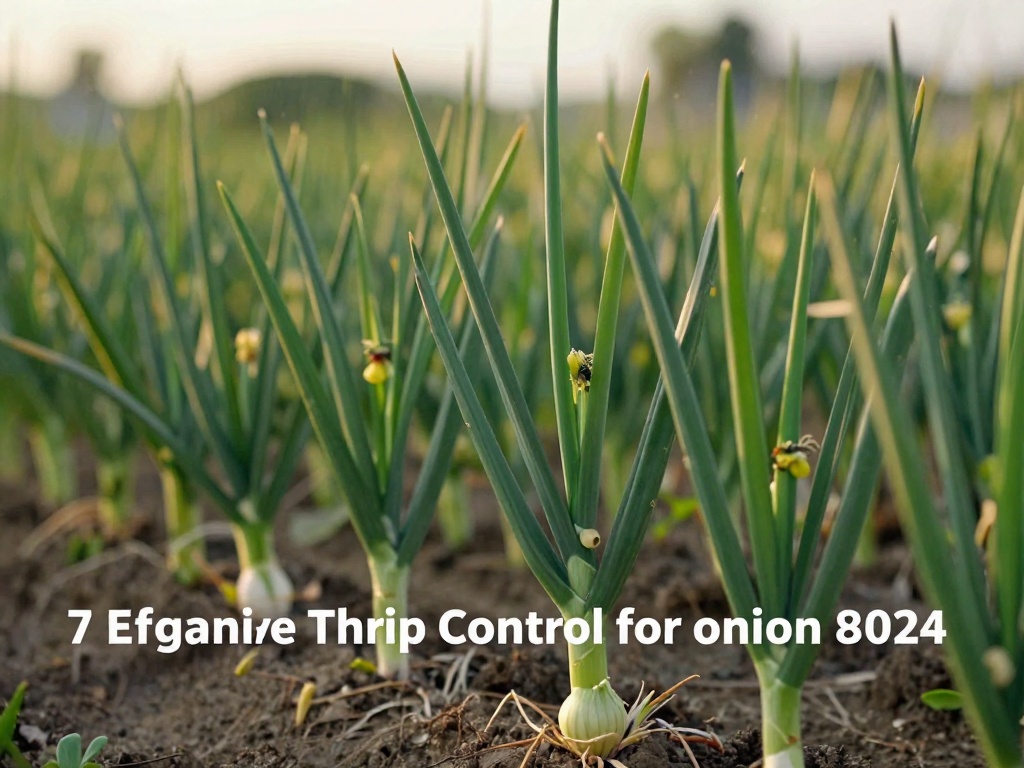
7 Effective Organic Thrip Control for Onion Plants 2024 Tips
Onion farmers and home gardeners alike rely on organic thrip control for onion plants to protect their crops from these tiny, destructive pests. Thrips are slender, sap-sucking insects that can cause severe damage to onion foliage, reduce yields, and even transmit harmful plant viruses. Unlike synthetic pesticides, organic control methods prioritize soil health, beneficial insect safety, and food safety for homegrown and commercial onion crops.

What Are Thrips and Why They Harm Onion Plants?
Identifying Thrips on Onion Plants
Thrips are tiny (only 1-2 mm long), slender insects that range in color from pale yellow to black. They often hide on the undersides of onion leaves, making them hard to spot with the naked eye. Most gardeners notice damage before they see the pests themselves.
Damage Caused by Thrips to Onions
Thrips pierce onion leaf tissue and suck out sap, leaving behind silvery, streaky discoloration on foliage. Severe infestations can cause leaves to curl, turn brown, and die back, stunting onion bulb growth. Thrips can also transmit tomato spotted wilt virus (TSWV), a devastating disease that can wipe out entire onion crops.
Proactive Preventative Measures for Organic Thrip Control
Preventing thrip infestations is far easier than treating a full-blown outbreak. These organic preventative steps help keep thrip populations low before they cause significant damage.

Crop Rotation
Avoid planting onions in the same spot for more than one growing season. Thrips overwinter in crop debris and soil, so rotating your onion crop to a new location each year disrupts their life cycle. The University of California Statewide Integrated Pest Management Program (UC IPM) recommends rotating onions with non-host crops like carrots or beets.
Sanitation Practices
Remove all crop debris from your onion patch immediately after harvest. Thrips can overwinter in dead onion leaves and stalks, so clearing this material eliminates their overwintering sites. Pull and destroy any volunteer onion plants that pop up outside your planned planting area.
Companion Planting & Reflective Mulch
Plant companion crops like marigolds, garlic, and nasturtiums around your onion patch to repel thrips. These plants release natural compounds that deter thrips from settling on your onions. Lay down reflective aluminum mulch around onion plants to confuse and repel adult thrips.
7 Effective Organic Thrip Control Methods
When preventative measures aren’t enough, these seven organic methods will help you eliminate thrips from your onion plants safely.

Neem Oil Spray
Neem oil is a natural insecticide derived from the neem tree. It disrupts thrip feeding and reproduction without harming beneficial insects like bees and ladybugs. Mix 1-2 teaspoons of cold-pressed neem oil with 1 quart of water and a few drops of dish soap, then spray the undersides of onion leaves thoroughly. Repeat every 7-10 days until thrips are gone.
Insecticidal Soap
Insecticidal soap uses fatty acids to dissolve the outer exoskeleton of thrips, killing them on contact. Choose a food-grade, organic insecticidal soap and spray it directly onto thrips on onion foliage. Avoid applying the soap during peak sunlight to prevent leaf burn, and reapply every 5-7 days for severe infestations.
Pyrethrins from Chrysanthemums
Pyrethrins are a natural insecticide derived from chrysanthemum flowers. They kill thrips quickly on contact and break down rapidly in the environment. Follow label instructions carefully to avoid harming beneficial insects, and apply only when bees are not active.
Food-Grade Diatomaceous Earth
Food-grade diatomaceous earth (DE) is made from fossilized aquatic organisms with sharp, microscopic edges that cut through thrip exoskeletons. Dust a thin layer of DE onto the tops and undersides of onion leaves. Reapply DE after rain or heavy dew, and avoid breathing in the dust.
Blue Sticky Traps
Blue sticky traps are highly attractive to thrips, which are drawn to the color blue. Hang traps 6-12 inches above your onion plants, and replace them every 2-4 weeks as they become covered in pests. Use traps to monitor thrip populations and reduce adult numbers before they lay eggs.
Beneficial Predatory Insects
Release beneficial insects that prey on thrips to keep their populations in check naturally. Predatory mites (Amblyseius cucumeris), ladybugs, and lacewings all feed on thrip eggs and adults. Purchase these insects from garden supply stores and release them according to label instructions.
Homemade Cayenne Pepper Spray
Make a simple, organic thrip repellent by mixing 1 tablespoon of cayenne pepper, 1 quart of water, and a few drops of dish soap. Shake the mixture well and spray it onto onion foliage to repel thrips. Reapply the spray after rain or heavy watering.
Best Timing for Organic Thrip Control
To get the best results from your organic thrip control efforts, timing is key. Scout your onion plants regularly, checking the undersides of leaves for thrips and damage. Treat infestations at the first sign of thrips, before populations multiply. Apply sprays and treatments early in the morning or late in the evening to avoid harming foraging bees.
Long-Term Thrip Prevention for Onion Patches
Once you’ve eliminated a thrip infestation, take steps to prevent future outbreaks. Avoid over-fertilizing your onions, as excess nitrogen can attract thrips. Use drip irrigation instead of overhead watering to keep foliage dry, which makes your plants less hospitable to thrips. Continue to rotate your onion crop each year and remove crop debris promptly.
FAQ About Organic Thrip Control for Onion Plants
What are the first signs of thrips on onion plants?
The first visible signs of thrip damage are silvery, streaky discoloration on onion leaves, plus tiny black specks of thrip feces on foliage. You may also spot distorted, stunted onion growth or the tiny, slender insects themselves on leaf undersides.
Is neem oil safe to use on onion plants?
Yes, neem oil is safe for onion plants when used according to label directions. Always dilute neem oil properly to avoid leaf burn, and avoid applying it during peak sunlight hours. Neem oil is also safe for most beneficial insects when used correctly.
How can I stop thrips from coming back to my onion patch?
To prevent future thrip infestations, practice annual crop rotation, remove all crop debris after harvest, use reflective mulch to repel thrips, and release beneficial predatory insects. Avoid over-fertilizing with nitrogen, which attracts thrips, and use drip irrigation to keep foliage dry.
Are synthetic pesticides better for thrip control on onions?
No, synthetic pesticides are not better for thrip control on onions. They can harm beneficial insects, contaminate soil and water, and lead to thrip resistance over time. Organic thrip control methods are safer for your crop, the environment, and human health.
No comments