
7 Effective Organic Slug Control for Parsnip Beds: A 2024 Guide
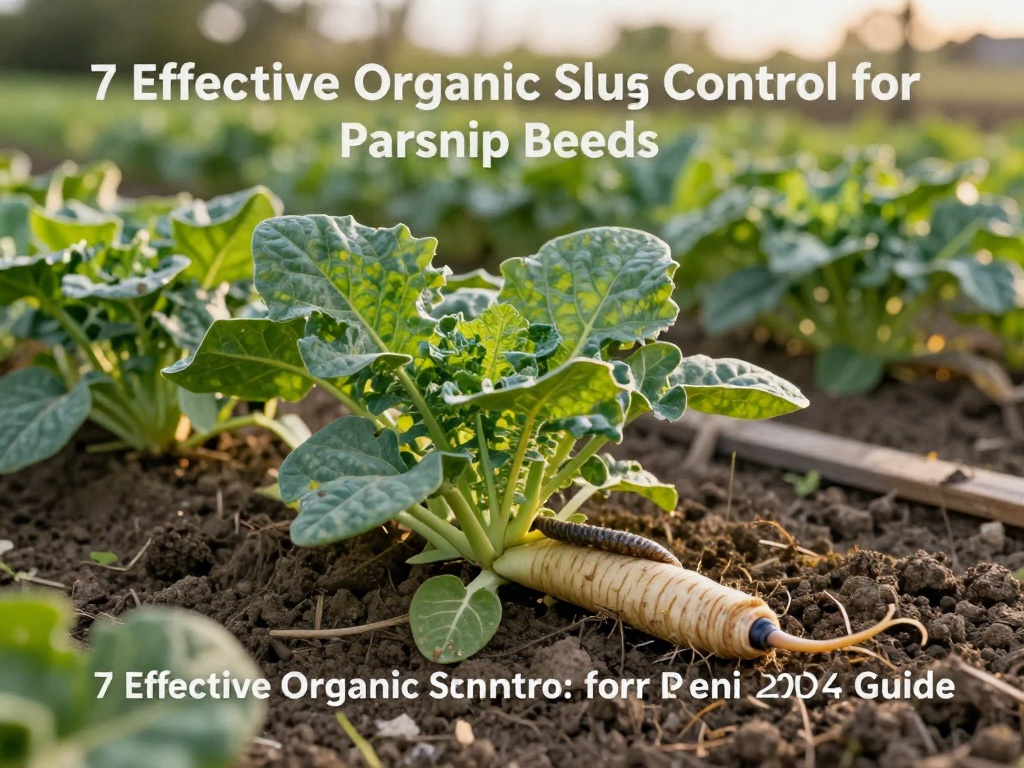
7 Effective Organic Slug Control for Parsnip Beds: A 2024 Guide
Parsnip beds are a staple for many home gardeners, but these tender root crops are a favorite target for slugs, which can decimate young seedlings and damage mature roots. Harsh chemical slug killers harm beneficial soil microbes and contaminate your harvest, making organic slug control for parsnip beds the ideal safe, sustainable solution. This guide covers 7 proven, natural methods to protect your parsnips without sacrificing garden health.
Why Slugs Target Parsnip Beds Specifically
Tender Young Seedlings
Parsnip seeds take 2 to 3 weeks to germinate, leaving young seedlings extra vulnerable to slug feeding. Slugs will eat the first cotyledon leaves, stunting plant growth and preventing mature parsnips from forming.
Low-Growing Root Tissue
Mature parsnips grow close to the soil surface, making their soft, sweet root tissue easily accessible to slugs. Moist, shaded garden conditions further attract slugs to parsnip beds, especially after heavy watering or rain.
Top 7 Organic Slug Control Methods for Parsnip Beds
1. Beer Traps
Slugs are attracted to the yeast in beer, making these traps one of the most effective organic slug control options for parsnip beds. This method is widely recommended by the Royal Horticultural Society (RHS) as a safe, sustainable pest control solution. Bury a shallow dish or plastic cup so the rim is level with the soil surface, then fill it with cheap beer. Empty the trapped slugs daily and refill the solution every 2-3 days, or after heavy rain.
2. Copper Barriers and Tape
Copper creates a mild, non-toxic electric reaction when slugs touch it, deterring them from crossing into your parsnip bed. Wrap copper tape around the edges of raised beds, or stick it to the rims of planters if you’re starting parsnips indoors before transplanting. Clean the copper regularly to remove dirt buildup, as dirty copper loses its deterrent effect.
3. Food-Grade Diatomaceous Earth
Food-grade diatomaceous earth (DE) is made from fossilized aquatic organisms, and its sharp microscopic edges cut through slugs’ soft bodies, causing dehydration and death. OMRI-listed DE is approved for use in organic gardening, making it a trusted choice for parsnip bed care. Sprinkle a thin layer of DE around the base of parsnip plants, taking care to reapply after rain or watering. Avoid applying DE when the soil is wet, as it clumps and loses its effectiveness.
4. Sharp Organic Mulch Barriers
Crushed eggshells, coffee grounds, and wood ash create a rough, uncomfortable surface that slugs avoid crossing. Coffee grounds also add nitrogen to the soil, benefiting parsnip growth, while crushed eggshells provide calcium. Note that wood ash should be used sparingly, as it raises soil pH; parsnips thrive in neutral to slightly acidic soil (6.0 to 7.0 pH).
5. Handpicking Slugs and Snails
For small garden spaces, handpicking is a simple, effective organic slug control method for parsnip beds. Go out at dawn or dusk, when slugs are most active, and collect them from the foliage and soil surface. Drop the slugs into a bucket of soapy water to kill them humanely. This method is low-cost and avoids any potential harm to beneficial garden insects.
6. Attract Beneficial Predators
Invite natural slug predators into your garden to keep slug populations under control long-term. Ground beetles, hedgehogs, ducks, and chickens all feed on slugs and snails. Install a beetle hotel to attract ground beetles, leave small wild areas of your garden for hedgehogs, or add a small chicken coop if you have space. Avoid using any pesticides, as they will kill these beneficial predators too.
7. Homemade Organic Slug Repellent Sprays
Make a simple, organic slug repellent spray using garlic, chili peppers, and a small amount of dish soap. Blend 2 cloves of garlic and 1 hot chili pepper with 1 quart of water, then strain the mixture and add 1 teaspoon of liquid dish soap. Spray the solution around the base of your parsnip plants and along the edges of the bed. Reapply the spray after rain or heavy watering.
Long-Term Slug Prevention Tips for Parsnip Beds
Beyond immediate slug control, taking proactive steps can help prevent infestations year after year. These simple habits will keep your parsnip beds healthy and less attractive to slugs.
Keep the Garden Tidy
Remove garden debris, fallen leaves, and weeds, as these provide moist, dark hiding spots for slugs during the day. Rake the soil around parsnip beds regularly to expose slugs to predators and dry out their hiding places.
Improve Air Circulation
Avoid overcrowding parsnip plants, as dense foliage creates a moist, shaded environment that slugs love. Space parsnip seeds or seedlings at least 4 inches apart to allow air to circulate freely around the plants. Water your parsnips in the morning, so the soil has time to dry out during the day, reducing slug-friendly moisture levels.
Rotate Your Crops
Avoid planting parsnips in the same bed year after year, as this can lead to a buildup of slug populations and other soil-borne pests. Rotate parsnips with non-host crops like alliums or brassicas to disrupt slug life cycles and reduce infestation risk.
Organic slug control for parsnip beds doesn’t have to be complicated or expensive. By using one or more of these natural methods, you can protect your parsnip harvest while supporting a healthy, balanced garden ecosystem. With a little consistent care, you can keep slugs at bay and enjoy a bountiful crop of sweet, tender parsnips this growing season.
Frequently Asked Questions About Organic Slug Control for Parsnip Beds
What time of day are slugs most active on parsnip beds?
Slugs are most active at dawn and dusk, when temperatures are cool and moisture levels are high. This is the best time to handpick slugs or check your parsnip beds for visible damage.
Can coffee grounds really keep slugs away from parsnips?
Yes, coffee grounds create a rough, acidic surface that deters slugs from crossing into your parsnip bed. They also add valuable nitrogen to the soil, supporting healthy parsnip growth. For best results, spread a 1-inch layer of used coffee grounds around the base of your plants.
Is copper tape safe to use around edible parsnip plants?
Absolutely. Copper tape is a non-toxic, organic slug deterrent that will not harm parsnip plants or contaminate your harvest. It is safe to use directly around edible crops, as long as you keep the tape clean and free of dirt buildup.
How often should I reapply organic slug control methods for parsnip beds?
The frequency depends on the method you use. Beer traps should be refilled every 2-3 days, diatomaceous earth and repellent sprays should be reapplied after rain or heavy watering, and copper barriers only need to be cleaned and checked monthly.
No comments