
Organic Flea Beetle Control for Kale: 7 Effective Natural Solutions
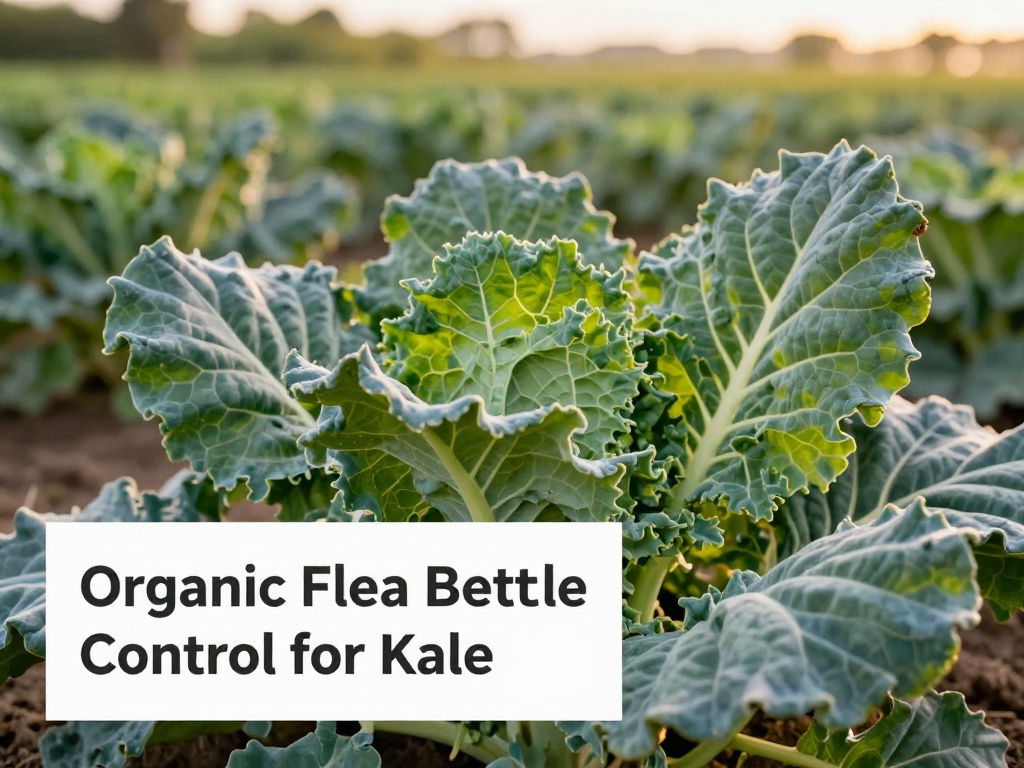
Organic Flea Beetle Control for Kale: 7 Effective Natural Solutions
Kale is a hardy, nutrient-dense leafy green that’s a staple in home and commercial vegetable gardens, but it’s highly vulnerable to flea beetles, tiny jumpy pests that can devastate young plants. Harsh chemical pesticides can harm beneficial insects, contaminate harvests, and disrupt your organic growing goals, so organic flea beetle control for kale is the ideal solution. This guide breaks down seven proven, natural methods to keep your kale pest-free and healthy all season long.

What Are Flea Beetles and How Do They Damage Kale?
Identifying Flea Beetles
Flea beetles are tiny (1/16 to 1/8 inch long), dark-colored beetles that jump quickly when disturbed, earning their name from their flea-like movement. They overwinter in garden soil debris and emerge in early spring as temperatures warm, targeting young, tender vegetable seedlings like kale.
Common Damage Signs on Kale
Flea beetles feed on kale leaf tissue, creating small, round "shot holes" across the foliage. Severe infestations can skeletonize leaves, stunt seedling growth, and reduce yields. Mature kale plants are more resilient, but damaged leaves become unappealing and less productive.

7 Organic Flea Beetle Control Methods for Kale
1. Floating Row Covers (Physical Exclusion)
Floating row covers are a lightweight, breathable fabric barrier that blocks flea beetles from reaching your kale plants. This is one of the most effective organic controls, according to the University of Maine Cooperative Extension. Install the covers immediately after planting kale seedlings, securing the edges with soil or stakes to prevent beetles from slipping underneath. Remove the covers once your kale begins to flower to allow pollinators access to the blooms.
2. Cold-Pressed Neem Oil Sprays
Cold-pressed neem oil is an OMRI-listed organic insecticide that disrupts flea beetles’ feeding and reproductive cycles. Mix 1 to 2 teaspoons of cold-pressed neem oil with 1 quart of water and a few drops of mild, biodegradable dish soap to help the emulsion stick to kale leaves. Spray the solution evenly on both sides of the foliage in early morning or late evening to avoid harming pollinators. Reapply every 7 to 10 days, or after heavy rain.
3. Food-Grade Diatomaceous Earth
Food-grade diatomaceous earth (DE) is a natural powder made from fossilized aquatic organisms. It scratches the exoskeleton of flea beetles, causing them to dehydrate and die. Dust a thin layer of DE on the tops and undersides of kale leaves, as well as the surrounding soil. Reapply DE after rain or watering, and avoid breathing in the powder to protect your lungs. Keep in mind that DE can also harm beneficial insects, so apply it only to targeted areas.
4. Companion Planting & Trap Crops
Companion planting can mask the scent of kale, making it harder for flea beetles to locate their host plant. Try growing catnip, radishes, mint, or marigolds alongside your kale to repel flea beetles. You can also use radishes as a trap crop: plant a row of radishes near your kale to draw flea beetles away from your leafy greens, then remove and destroy the infested radish plants before beetles multiply.
5. Homemade Garlic-Chili Pepper Spray
This natural repellent deters flea beetles with its strong scent and taste. To make the spray, blend 2 cloves of garlic, 1 hot chili pepper, and 1 quart of water, then let the mixture steep overnight. Strain the mixture, add a few drops of dish soap, and spray it on your kale leaves. Reapply every 5 to 7 days, or after rain, to keep flea beetles away.
6. Release Beneficial Predatory Insects
Biological control involves introducing natural flea beetle predators to your garden to keep populations in check. Ladybugs, lacewings, and parasitic wasps all feed on flea beetle larvae and adults. You can purchase these beneficial insects from garden supply stores and release them near your kale plants. Avoid using broad-spectrum pesticides to protect these helpful insects once they’re established.
7. Crop Rotation and Soil Sanitation
Long-term organic flea beetle control for kale requires proper garden hygiene. Rotate your kale crop to a different section of your garden each year, as flea beetles overwinter in soil where brassica crops (kale, cabbage, broccoli) were grown the previous season. Remove all garden debris and fallen leaves at the end of the growing season to eliminate overwintering sites for flea beetles.

When to Start Organic Flea Beetle Control
Timing is critical for effective pest control. Flea beetles emerge in early spring, once soil temperatures reach 50°F (10°C). Begin your prevention methods as soon as you plant your kale seedlings, or a few weeks before planting if you’re starting seeds indoors. Early intervention is key to protecting young, tender kale plants before they become established.
FAQ About Organic Flea Beetle Control for Kale
Will flea beetles kill my mature kale plants?
Mature kale plants can usually survive moderate flea beetle infestations, though their foliage will be marked with unsightly shot holes. Severe infestations can still reduce yields and weaken the plant over time.
Can I still eat kale that has flea beetle damage?
Absolutely. Simply trim off any damaged leaves, wash the remaining foliage thoroughly, and cook or eat the kale as usual. The damaged leaves do not contain harmful toxins from the pests.
How often do I need to reapply organic flea beetle treatments?
Most organic sprays and dusts need reapplication every 7 to 10 days, or immediately after heavy rain or watering, which can wash the product off your kale leaves.
What’s the best organic control for young kale seedlings?
Floating row covers are the most effective option for young seedlings, as they provide a physical barrier that prevents flea beetles from feeding on the tender foliage without exposing the plants to any chemical treatments.
By combining these organic flea beetle control methods, you can protect your kale crop without compromising your sustainable gardening goals. Start early, stay consistent, and enjoy a healthy, pest-free harvest of fresh kale all season long.
No comments