
Organic Fungicide for Strawberry Leaf Spot: 7 Proven Fixes
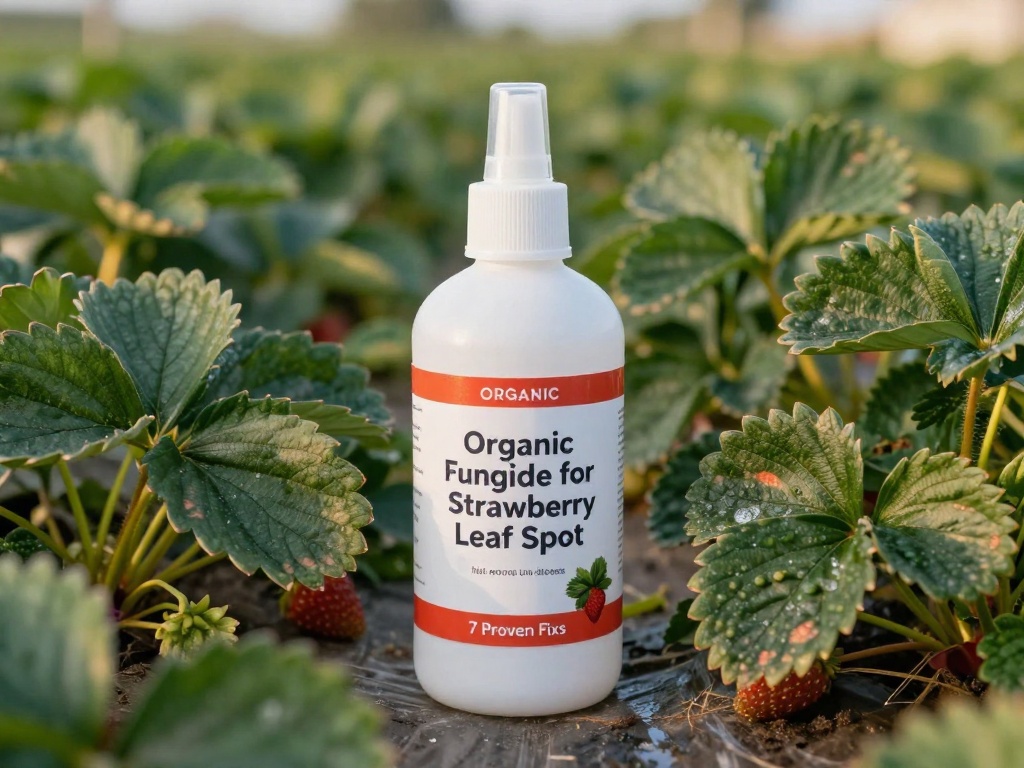
Organic Fungicide for Strawberry Leaf Spot: 7 Proven Fixes

Strawberry leaf spot is a devastating fungal disease that affects nearly all commercial and home strawberry patches, causing purple lesions, defoliation, and up to 40% yield loss according to the University of California Agriculture and Natural Resources. For organic growers, synthetic fungicides are off-limits, making organic fungicide for strawberry leaf spot the only safe, effective solution to protect your crop. This guide breaks down proven treatments, application tips, and best practices to keep your strawberry plants healthy all season long.
What is Strawberry Leaf Spot?
Strawberry leaf spot is caused by the fungus Mycosphaerella fragariae, which overwinters in infected plant debris and soil. The first signs of the disease are small, purple circular lesions on young leaves, which grow into brown spots with purple borders as they mature.
Severe infections cause leaves to yellow and drop, reducing the plant’s ability to photosynthesize and produce fruit. The fungus can also spread to strawberry fruits and stems, causing small, dark lesions that reduce fruit quality and marketability.
Why Choose Organic Fungicide for Strawberry Leaf Spot?
Synthetic fungicides can harm beneficial pollinators, leave harmful chemical residues on fruit, and lead to fungal resistance over time. Organic fungicide for strawberry leaf spot uses natural, plant-safe ingredients that protect your crop without these downsides.
Most organic treatments are OMRI-listed, meaning they meet national organic farming standards, and they support a healthier garden ecosystem by preserving beneficial insects and soil microbes.
7 Effective Organic Fungicide for Strawberry Leaf Spot Treatments
Each of these organic options targets strawberry leaf spot fungi while being safe for pollinators, beneficial insects, and edible fruit:
1. Cold-Pressed Neem Oil
Neem oil contains azadirachtin, a compound that disrupts fungal cell walls and inhibits spore germination. It also repels common strawberry pests like aphids and spider mites.
Mix 1 to 2 teaspoons of neem oil with 1 quart of water, add a drop of mild dish soap as an emulsifier, and spray all leaf surfaces every 7 to 10 days. Avoid applying during midday sun to prevent leaf burn.
2. Fixed Copper Fungicide
Fixed copper fungicides, such as Bordeaux mixture, are OMRI-listed organic treatments that control a wide range of fungal and bacterial plant diseases. They work by coating leaves to prevent spore attachment.
Apply fixed copper in early spring before strawberry buds break, and repeat every 10 to 14 days during wet, humid weather. Avoid overuse, as copper can build up in soil over time and harm beneficial soil microbes.
3. DIY Baking Soda Spray
Baking soda alters the pH of strawberry leaf surfaces, making it difficult for fungal spores to germinate and spread. This affordable, household option is easy to mix and apply.
Mix 1 teaspoon of baking soda with 1 quart of water, add a drop of dish soap, and spray weekly during humid conditions. Avoid overapplying, as high concentrations of baking soda can cause leaf burn.
4. Garlic Antifungal Spray
Garlic contains allicin, a natural compound with strong antifungal properties that kill strawberry leaf spot spores. It also repels common garden pests.
Blend 4 to 5 garlic cloves with 1 quart of water, strain the mixture, and add a drop of dish soap. Spray all leaf surfaces every 7 to 10 days for best results.
5. Food-Grade Hydrogen Peroxide
3% food-grade hydrogen peroxide kills fungal spores on contact and breaks down into water and oxygen, making it a safe, eco-friendly treatment for strawberry leaf spot.
Dilute 1 part hydrogen peroxide with 10 parts water, and spray infected leaves and stems. Repeat every 5 to 7 days during active outbreaks.
6. Diluted White Vinegar Spray
Diluted vinegar lowers the pH of leaf surfaces, preventing fungal spore growth. Use this treatment sparingly, as undiluted vinegar can burn strawberry foliage.
Mix 1 part white vinegar with 10 parts water, add a drop of dish soap, and spray once every 10 days during humid weather.
7. Bacillus amyloliquefaciens Biofungicide
This OMRI-listed beneficial bacterium colonizes leaf surfaces and outcompetes pathogenic fungi like the one causing strawberry leaf spot. It provides long-lasting, preventive protection.
Apply according to product directions, usually every 7 to 14 days, and mix with water as instructed. This treatment is safe for all stages of plant growth.
Best Practices for Long-Term Strawberry Leaf Spot Control
Timing Your Applications Correctly
Start applying organic fungicide for strawberry leaf spot at the first sign of purple leaf lesions, rather than waiting for a full-blown infection. Early morning application is ideal, as it allows foliage to dry before nighttime and reduces fungal spore spread.
Rotate Your Fungicide Products
Reusing the same organic fungicide repeatedly can lead to fungal resistance over time. Rotate between 2 to 3 different organic treatments to keep leaf spot fungi from adapting to your control methods.
Pair with Cultural Controls
Organic fungicides work best when combined with cultural practices that reduce fungal growth. Remove and destroy infected leaves immediately, space plants for proper air circulation, and avoid overhead watering to keep foliage dry.
Frequently Asked Questions About Organic Fungicide for Strawberry Leaf Spot
What is the most effective organic fungicide for strawberry leaf spot?
According to the University of Maine Cooperative Extension, neem oil and Bacillus amyloliquefaciens are the most consistently effective organic treatments for strawberry leaf spot, as they provide both curative and preventive protection.
Can I make my own organic fungicide for strawberry leaf spot at home?
Yes, simple DIY options like baking soda spray, garlic spray, and diluted hydrogen peroxide are effective at controlling strawberry leaf spot and easy to make with household ingredients.
Is strawberry leaf spot harmful to people or pets?
Strawberry leaf spot fungus does not harm humans or pets, but it can severely reduce strawberry yield and fruit quality. Treating the disease ensures you harvest a full, flavorful crop.
How long does organic fungicide for strawberry leaf spot last?
Most organic fungicides remain effective for 7 to 10 days, especially after rain or heavy dew. Reapply treatments following rain to maintain full protection.
No comments