
The 2024 Complete Guide to Perforated Plastic Mulch for Watermelon Vines
The 2024 Complete Guide to Perforated Plastic Mulch for Watermelon Vines
Perforated plastic mulch for watermelon vines is a game-changing farming tool that addresses some of the biggest challenges of growing sweet, high-quality watermelons. According to the USDA Agricultural Research Service, watermelon farmers who use this mulch type see average yield boosts of 22% and cut weed control time by up to 75% compared to bare soil farming. This complete guide breaks down everything you need to know to select, install, and use this mulch effectively for your next growing season.

What Is Perforated Plastic Mulch for Watermelon Vines?
How It Differs From Standard Plastic Mulch
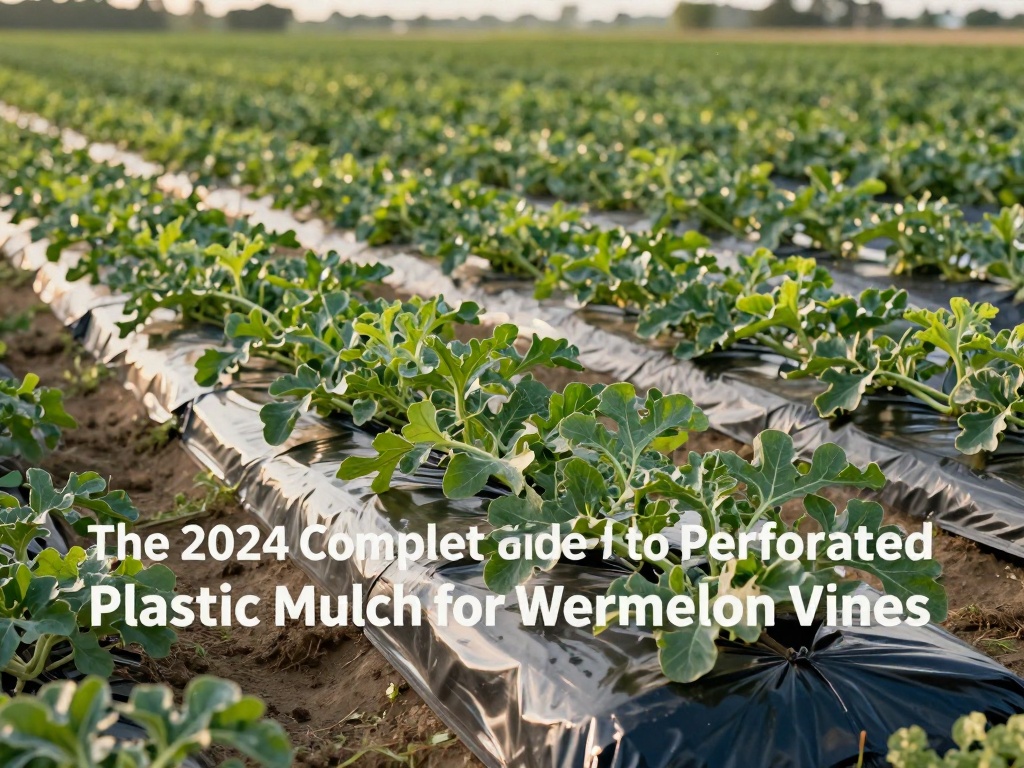
Perforated plastic mulch is a thin, UV-stabilized polyethylene sheet pre-drilled with small, evenly spaced holes. Unlike standard non-perforated plastic mulch, which requires farmers to cut individual holes for each plant, this pre-drilled design saves time and ensures consistent spacing for watermelon vines.
The holes are sized to fit watermelon vines without restricting growth, while the plastic sheet blocks sunlight to prevent weed growth and regulates soil temperature. It also keeps developing watermelon fruits off damp, bare soil, reducing the risk of fungal rot and pest damage.
Key Benefits of Perforated Plastic Mulch for Watermelon Vines
Boosts Yield and Fruit Quality
Watermelons thrive in warm, consistent soil temperatures between 70 and 85°F. Perforated plastic mulch traps solar heat in the soil, extending the growing season by 2-3 weeks for early plantings. This warmer soil speeds up seed germination and vine growth, leading to larger, healthier watermelons with higher sugar content.
The mulch also prevents direct contact between developing fruit and soil, eliminating soil-borne fungal diseases and reducing physical damage to melon skins.
Reduces Weed and Pest Maintenance
Weeds compete with watermelon vines for nutrients, water, and sunlight, leading to lower yields. Perforated plastic mulch blocks sunlight from reaching soil beneath the sheet, killing existing weeds and preventing new weeds from growing. This cuts down on manual weeding by up to 75%, per USDA data.
The plastic sheet also creates a barrier that deters soil-dwelling pests like cucumber beetles and root maggots from reaching watermelon roots, reducing the need for chemical pesticides.
Speeds Up Ripening and Harvest
Warmer soil and consistent moisture levels from the mulch lead to faster fruit development. Early harvests mean you can sell watermelons at a premium price, as early-season melons often command 20-30% higher market rates than late-season harvests.
Faster ripening also reduces the window of exposure to pests and weather damage, protecting your crop before harvest.
How to Select the Right Perforated Plastic Mulch for Watermelon Vines
Material, Thickness, and UV Stabilization
Most commercial watermelon farmers use 0.5 to 1 mil thick black polyethylene mulch. Black plastic is the most effective for weed control, as it blocks nearly all sunlight. Look for mulch with UV stabilization to prevent breakdown from sun exposure during the 3-4 month growing season.
Clear perforated mulch is an option for soil solarization, but it warms soil too quickly for watermelons and is less effective at suppressing weeds. Biodegradable plant-based mulch is also available, but it has a shorter lifespan and is more expensive for large-scale farms.
Hole Size and Spacing
Hole size and spacing are critical for successful watermelon growth. For most standard watermelon varieties, use 6 to 8 inch wide holes spaced 3 to 4 feet apart within rows, with rows 6 to 8 feet apart. Giant watermelon varieties may require 8 to 10 inch wide holes to accommodate their larger vines.
Most pre-perforated mulch sheets come in standard hole configurations, but you can also order custom-sized sheets for your specific watermelon cultivar.
Step-by-Step Installation Process
Prep Your Soil and Irrigation
Start by testing your soil and adding balanced fertilizer tailored to watermelon growth needs. Till the soil to a depth of 6 to 8 inches, then level the surface and moisten the soil lightly. Install a drip irrigation line beneath the mulch area to deliver consistent water directly to the root zones of your watermelon vines.
Remove any rocks, weeds, or debris from the soil surface to prevent tears in the mulch sheet during installation.
Lay and Secure the Mulch
Unroll the perforated plastic mulch sheet over the prepared soil row, pulling it tight to eliminate wrinkles. Secure the edges of the mulch with soil, plastic stakes, or metal clips to prevent wind from lifting the sheet.
Cut small slits around the pre-drilled holes if needed to expand them for your specific watermelon variety, then gently press the mulch down around each hole to create a tight seal.
Plant Watermelon Vines Through the Holes
Plant either watermelon seeds or transplants through the pre-drilled holes, covering the roots with 1 to 2 inches of soil. Water the plants lightly immediately after planting to settle the soil around the roots.
Train the watermelon vines to spread along the mulch surface to prevent them from growing off the sheet and into bare soil, where they may be exposed to weeds and pests.
Post-Harvest Maintenance and Removal
After harvesting your watermelons, remove the perforated plastic mulch sheets from the field. Non-biodegradable polyethylene mulch can be recycled at most plastic recycling centers, while biodegradable mulch can be composted on-site.
Inspect the field for any remaining mulch fragments, as leftover plastic can disrupt future crop growth and soil health.
FAQ About Perforated Plastic Mulch for Watermelon Vines
How long does perforated plastic mulch last for watermelon farming?
Standard UV-stabilized polyethylene mulch lasts 1 to 2 full growing seasons, depending on sun exposure and soil conditions. Biodegradable plant-based mulch typically lasts 30 to 60 days, which is enough for a single watermelon growing cycle.
Can I use perforated plastic mulch for organic watermelon farming?
Yes, most organic certifiers allow non-biodegradable polyethylene mulch if it is fully removed and recycled after harvest. Biodegradable plant-based perforated mulch is also approved for organic farming and eliminates the need for plastic recycling.
Do I need drip irrigation with perforated plastic mulch?
While not strictly required, drip irrigation installed beneath the mulch is highly recommended. It delivers water directly to the root zones of watermelon vines, reduces evaporation losses, and prevents water buildup on the mulch surface that can lead to fungal disease.
What’s the difference between perforated and non-perforated plastic mulch?
Non-perforated plastic mulch requires farmers to cut individual holes for each watermelon plant, which is time-consuming and can lead to inconsistent spacing. Perforated mulch comes pre-drilled with evenly sized holes, saving time and ensuring proper airflow and water penetration to the soil.
Perforated plastic mulch for watermelon vines is a cost-effective, low-labor solution that can transform your watermelon harvest. By selecting the right mulch, installing it properly, and following basic maintenance tips, you can boost your yields, cut down on pest and weed control, and earn higher profits from early-season melons. Whether you’re a small-scale backyard grower or a commercial farmer, this tool is a worthwhile investment for your next growing season.
No comments