
Organic Slug Control for Leafy Greens: 7 Effective Methods
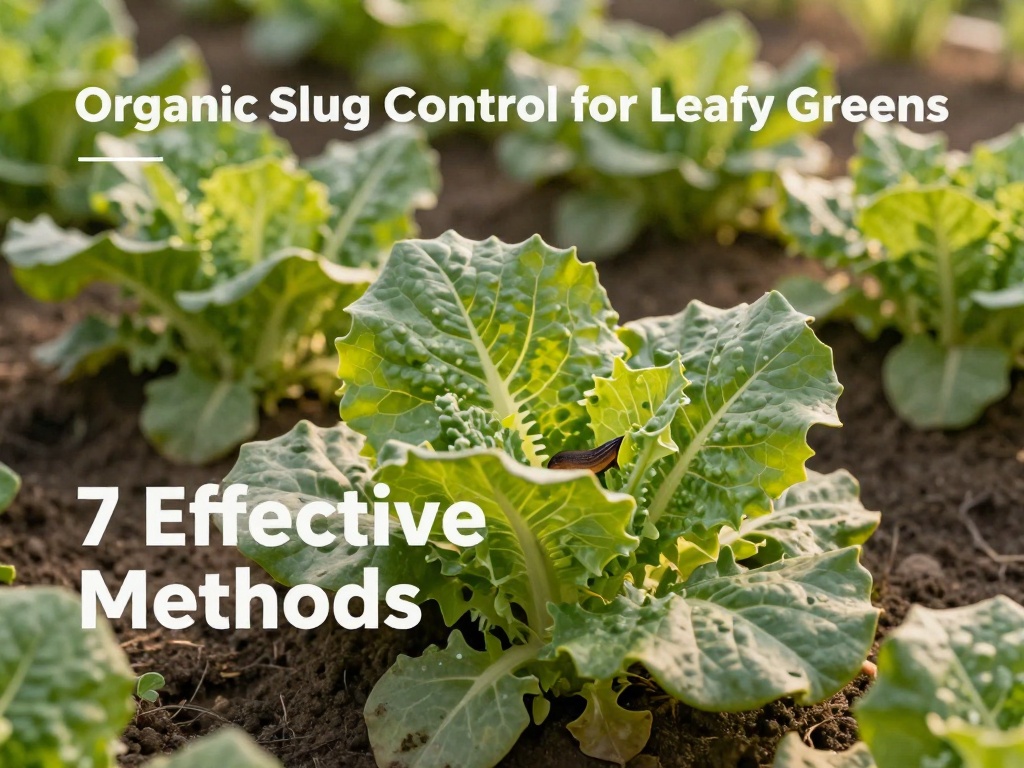
Organic Slug Control for Leafy Greens: 7 Effective Methods
Slugs are one of the most frustrating pests for home and commercial leafy greens growers, chewing ragged holes in lettuce, kale, spinach, and arugula overnight. Organic slug control for leafy greens is the safest way to protect your crops without exposing your edible plants to harsh synthetic pesticides that can linger on your harvest. Whether you tend a small windowsill garden or a full-scale field plot, these proven methods will help you keep slugs at bay without compromising your organic growing standards.
Why Slugs Target Leafy Greens Specifically
What Makes Leafy Greens Irresistible to Slugs?
Slugs thrive in cool, damp environments, and leafy greens provide the perfect combination of soft, nutrient-rich foliage and constant moisture. Unlike tougher vegetable skins, the thin leaves of greens like lettuce and bok choy are easy for slugs to chew through, making them a top food source for these nocturnal pests.
7 Effective Organic Slug Control Methods
Beer Traps
Beer traps are a beloved, low-cost organic slug control method backed by the Royal Horticultural Society. To make one, sink a shallow plastic or ceramic dish into the soil around your leafy greens, leaving the rim level with the ground. Fill the dish with cheap beer or a yeast-sugar-water mixture, then leave it out at dusk. Slugs are attracted to the yeast scent, fall into the trap, and drown. Empty and refill the traps every 2 to 3 days for best results.
Copper Barriers
Copper creates a mild, harmless electric reaction when slugs touch its surface, deterring them from crossing into your growing area. Wrap pure copper tape around the edges of raised beds, planters, or individual leafy green plants. You can also create a ring of copper wire around vulnerable crops. Note that copper barriers work best when dry, so avoid wetting the tape and reapply if it becomes coated in dirt or moisture.
Food-Grade Diatomaceous Earth
Food-grade diatomaceous earth (DE) is a powdery substance made from fossilized aquatic organisms. Its sharp microscopic edges cut through the slug’s soft outer layer, causing dehydration and death. The Organic Materials Review Institute (OMRI) approves DE for use in organic farming, so it’s safe for edible leafy greens. Sprinkle a thin, even layer around the base of your plants, and reapply after rain or heavy watering.
Natural Predator Attraction
Inviting slug-eating wildlife to your garden is a long-term organic slug control solution. Ground beetles, frogs, toads, and even chickens will feast on slugs and their eggs. Plant native flowering herbs like dill and coriander to attract beneficial insects, and add a small water source like a shallow birdbath to encourage frogs and toads to take up residence in your garden.
Crushed Eggshell Barriers
Crushed eggshells create a rough, sharp barrier that slugs avoid crossing, as the edges damage their soft bodies. First, bake clean eggshells at 300°F for 10 minutes to kill any bacteria, then crush them into small, ¼-inch pieces. Spread the shells in a 2-inch wide ring around your leafy green plants, taking care to keep the layer thick enough to block slug access. Replenish the shells after heavy rain.
Handpicking Slugs
Handpicking is a low-tech but highly effective organic slug control method, perfect for small home gardens. Head out to your garden at dusk or dawn, when slugs are most active, and pick them off your leafy greens by hand. Drop the slugs into a bucket of soapy water to kill them humanely. This method allows you to target slugs directly without using any materials, making it ideal for organic growers who want zero chemical input.
Homemade Garlic or Chili Repellent Spray
Homemade repellent sprays made from garlic or chili peppers create a strong scent that repels slugs without harming your plants. To make the spray, blend 2 cups of chopped garlic or chili peppers with 1 gallon of water, then let the mixture steep overnight. Strain the liquid, add a teaspoon of liquid castile soap to help the spray adhere to leaves, then spray the mixture around the base of your leafy green plants. Reapply every 7 to 10 days, or after rain.
Pro Tips for Long-Term Organic Slug Management
Beyond these control methods, there are several steps you can take to reduce slug populations in your garden long-term. First, avoid overwatering your leafy greens, as damp soil and foliage creates the perfect habitat for slugs. Water your plants in the morning so the soil has time to dry out during the day. Second, keep your garden clean by removing leaf litter, debris, and fallen plant matter, which are common hiding spots for slugs. Finally, improve drainage in your growing beds to reduce standing water, which attracts slugs.
Common Mistakes to Avoid With Organic Slug Control
Many organic growers make avoidable mistakes when using slug control methods. First, never use non-food-grade diatomaceous earth, as it can contain harmful additives that are unsafe for edible crops. Second, avoid using copper paint or thin copper foil, as pure copper tape or wire is the only material that creates the deterrent reaction. Third, don’t overapply barriers like eggshells or DE, as this can block water and air from reaching your leafy green plants’ roots.
FAQ: Organic Slug Control for Leafy Greens
Is organic slug control safe for edible leafy greens?
Yes, all the methods covered in this guide use non-toxic, food-safe materials that won’t contaminate your harvest. Organic slug control for leafy greens is specifically designed to protect edible crops without leaving harmful residues on your lettuce, kale, or spinach.
How often do I need to reapply organic slug control barriers?
Most organic slug control barriers need reapplication after rain or heavy watering. Beer traps should be emptied and refilled every 2 to 3 days, while diatomaceous earth and eggshells will need to be replaced after any significant moisture exposure.
Can I use coffee grounds for slug control?
Absolutely. Coffee grounds create a rough, acidic barrier that slugs avoid crossing, and they also add valuable nutrients to your soil as they decompose. Spread dried coffee grounds around the base of your leafy green plants for a dual-purpose organic slug control solution.
What’s the best time to handpick slugs?
Slugs are most active during dusk and dawn, when cool, damp conditions allow them to feed without drying out. This is the easiest and most effective time to find and remove slugs from your leafy green plants.
No comments