
Soybean Row Spacing for Maximum Yield: 2024 Grower’s Guide
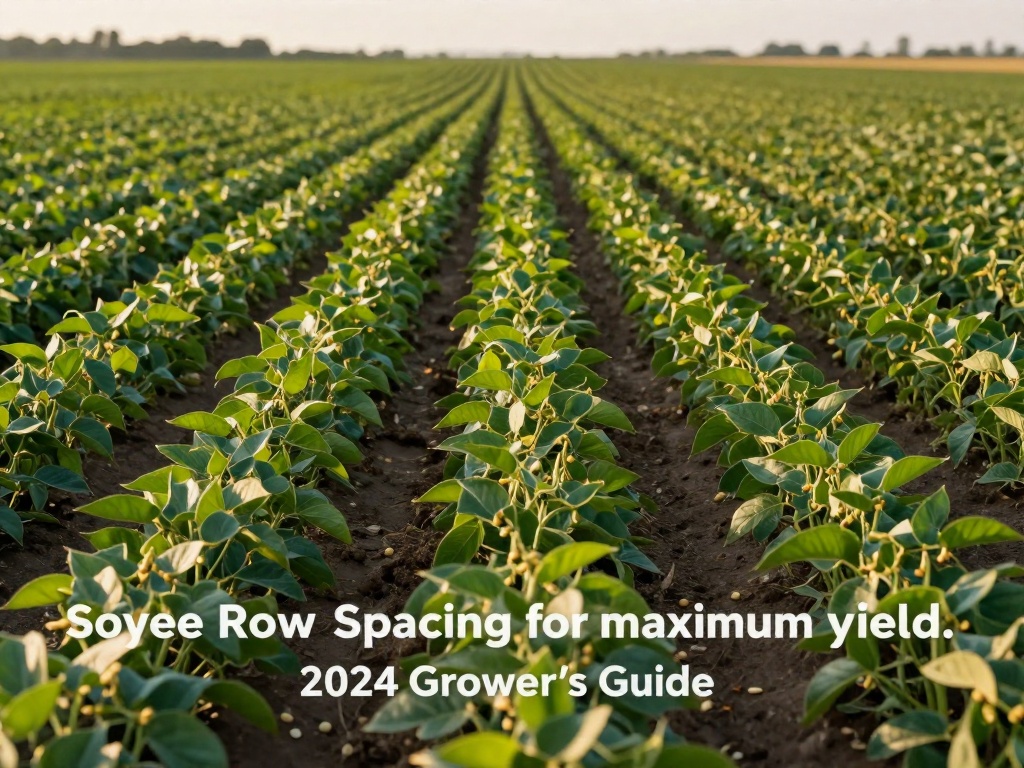
Soybean Row Spacing for Maximum Yield: 2024 Grower’s Guide
Soybean row spacing for maximum yield is one of the most impactful yet underutilized management decisions for soybean farmers across North America. According to the United States Department of Agriculture (USDA), optimizing row spacing can increase soybean harvests by 5 to 15% based on local soil, climate, and seed genetics.
Many farmers default to traditional 30-inch wide rows without testing alternative spacings, but modern soybean genetics and growing conditions have made narrow row options a viable way to boost profits.

What Determines Optimal Soybean Row Spacing?
Soil Health and Fertility
Well-drained, fertile soils with high nutrient levels can support narrow row spacings, as plants can compete effectively for sunlight, water, and nutrients. In low-fertility or dry soils, wider rows reduce plant competition, allowing individual plants to access more resources per root zone.
Climate and Growing Season Length
Areas with long growing seasons (over 2,800 growing degree days, or GDD) benefit most from narrow rows, as plants have time to close their canopy and maximize light interception. Regions with short growing seasons (under 2,200 GDD) often perform better with wide rows, which allow more light to reach lower canopy layers and speed up maturity.
Seed Genetics and Maturity Group
Full-season soybean varieties (maturity groups 3 to 7) thrive in narrow rows, as they develop fuller canopies over their longer growing period. Short-season varieties (maturity groups 1 to 2) typically grow more compactly, so wide rows better support their natural growth habit.
Narrow vs Wide Soybean Row Spacing: Key Tradeoffs
Narrow Rows (15-22 Inches)
Narrow rows deliver 95% sunlight interception within 30 days of planting, which suppresses weed growth and reduces herbicide needs. They also deliver higher yields in irrigated, high-fertility fields, per University of Illinois Extension research.
The main drawbacks of narrow rows include higher seeding rates, increased equipment costs for planting and harvesting, and greater sensitivity to drought without supplemental irrigation.
Wide Rows (30-36 Inches)
Wide rows are the traditional standard for soybean farming, with lower seeding costs and easier equipment setup for most small to mid-sized farms. They perform well in dryland or low-fertility fields, as plants have more space to access limited soil moisture and nutrients.
The biggest downside of wide rows is slower canopy closure, which leaves more soil exposed and increases weed pressure without additional management like cover crops.
Step-by-Step Guide to Choosing Your Soybean Row Spacing
1. Complete a soil test: Aim for soil phosphorus levels over 30 ppm and potassium levels over 100 ppm to support narrow row spacings.
2. Calculate local GDD: Use your county extension’s GDD map to confirm your growing season length.
3. Test small plot trials: Many university extension programs offer free trial kits to compare row spacings on a small section of your farm before committing to a full field.
Pro Tips for Maximizing Yields With Your Chosen Spacing
For narrow rows, maintain consistent soil moisture during early vegetative growth. Irrigated fields see the largest yield gains from narrow row spacings.
Pair wide rows with a cover crop like cereal rye to suppress weeds during the off-season, reducing herbicide use and improving soil health for your next soybean crop.
Adjust your seeding rate to match your row width: narrow rows require 10-15% higher seeding rates to ensure full canopy closure.
Frequently Asked Questions About Soybean Row Spacing
What is the best row spacing for high-yield soybeans?
For most irrigated, high-fertility fields with long growing seasons, 15 to 22-inch narrow rows deliver the highest yields, per University of Illinois Extension research.
Does narrow row spacing really boost soybean yields?
Yes, the USDA reports that narrow row spacing can increase soybean yields by 5 to 15% compared to traditional 30-inch wide rows in suitable growing conditions.
Can I use narrow rows with dryland soybean fields?
Narrow rows can work in dryland fields, but only if you have access to supplemental irrigation or live in an area with consistent rainfall. Dryland fields without irrigation may see better results with wide rows to reduce plant competition for limited soil moisture.
How does row spacing affect soybean seed costs?
Narrow rows require higher seeding rates, which can increase seed costs by 10-20% compared to wide rows. However, this extra cost is often offset by higher yield returns.
No comments