
Organic Pest Control for Potato Psyllids: 7 Top Methods
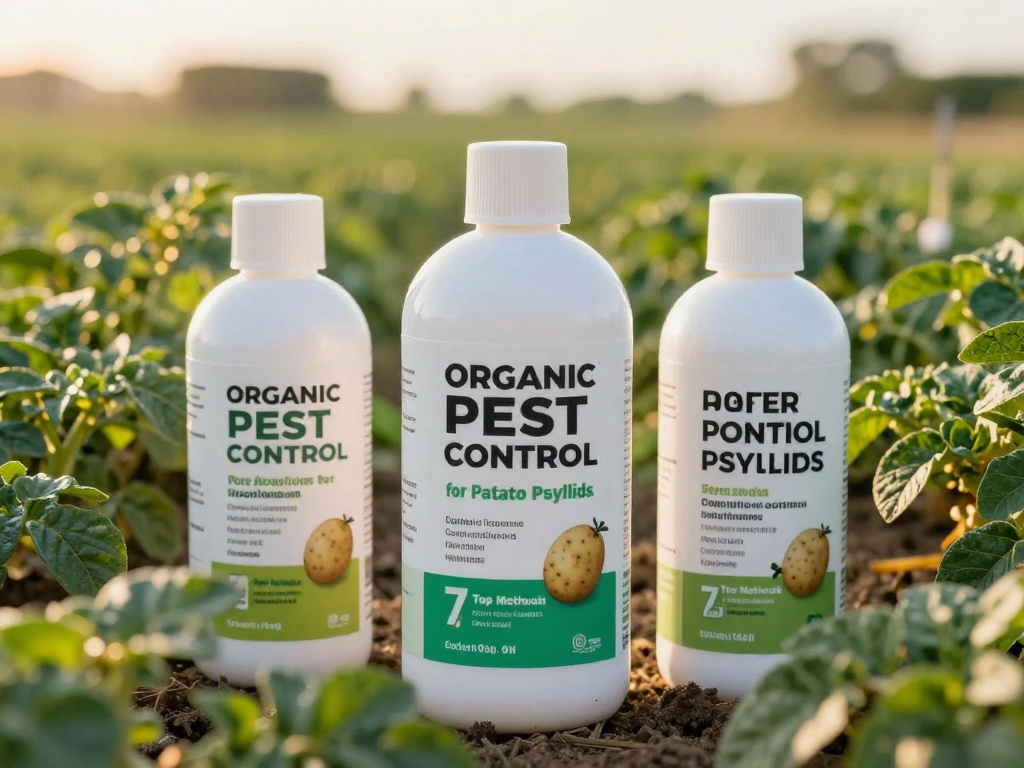
Organic Pest Control for Potato Psyllids: 7 Top Methods
Organic pest control for potato psyllids is a safe, eco-friendly way to protect your vegetable crops from these tiny, destructive sap-sucking insects. Potato psyllids transmit zebra chip disease, a serious illness that turns potato tubers black and inedible when cooked, and also damage tomatoes, peppers, and other solanaceous plants. Unlike synthetic pesticides, organic methods preserve beneficial insects like ladybugs and lacewings, keeping your garden’s ecosystem balanced. This guide breaks down seven tested strategies to keep psyllids at bay without harming your plants or the environment.

What Are Potato Psyllids and Why They Pose a Threat
Potato psyllids are tiny, winged insects about the size of a pinhead, with pale green bodies and folded wings. They feed on the phloem sap of plants, causing leaf curling, yellowing, and stunted growth. The biggest risk they pose is spreading zebra chip disease, which can destroy up to 100% of a potato crop in severe cases, according to the USDA. Many small-scale and commercial farmers now prioritize organic pest control for potato psyllids to avoid chemical residues and protect pollinator populations.
7 Tested Organic Pest Control for Potato Psyllid Strategies
1. Introduce Beneficial Predatory Insects
Ladybugs, green lacewings, and parasitic wasps are natural enemies of potato psyllids. You can purchase these beneficial insects from garden supply stores and release them in infested fields or gardens. The University of California Statewide Integrated Pest Management Program notes that parasitic wasps like Tamarixia triozae specifically target psyllid nymphs, reducing populations by up to 80% in some growing seasons. Avoid broad-spectrum pesticides to protect these helpful bugs.
2. Use Botanical and Neem Oil Sprays
Neem oil, derived from the neem tree, disrupts psyllid feeding and reproduction without harming beneficial insects. Mix 1-2 teaspoons of cold-pressed neem oil with a quart of water and a few drops of dish soap to help the mixture adhere to leaves, then spray every 7-10 days. You can also use pyrethrin sprays made from chrysanthemums, which are fast-acting and break down quickly in the environment without leaving toxic residues.
3. Apply Food-Grade Diatomaceous Earth
Food-grade diatomaceous earth (DE) is a fine powder made from fossilized algae. It scratches the waxy outer layer of psyllids, causing them to dehydrate and die. Dust the undersides of leaves and around the base of plants early in the morning when dew is present, so the powder sticks better. Reapply after rain or watering, and avoid breathing in the dust to protect your lungs.
4. Practice Crop Rotation
Crop rotation is a foundational organic pest control tactic for potato psyllids. Psyllids overwinter in soil and plant debris, so avoid planting solanaceous crops (potatoes, tomatoes, peppers, eggplants) in the same spot two years in a row. Rotate with non-host crops like corn, beans, or leafy greens to break the psyllid life cycle. The Rodale Institute reports that crop rotation reduces psyllid populations by disrupting their overwintering habitat.
5. Deploy Reflective Aluminum Mulch
Reflective mulch reflects sunlight and confuses potato psyllids, making it harder for them to locate host plants. Lay down aluminum or silver-colored plastic mulch around solanaceous crop seedlings in the spring. This method also helps warm soil early and suppresses weeds, adding extra benefits for your garden. Remove mulch at the end of the growing season to avoid plastic waste buildup.
6. Plant Trap Crops
Trap crops are plants that psyllids prefer over your main crops, drawing the insects away from your potatoes and tomatoes. Good trap crops include mustard greens, wild nightshade, and certain tomato varieties. Plant the trap crop 2-3 weeks before your main crop, then treat it with organic sprays or remove and destroy it once it’s heavily infested.
7. Boost Crop Vigour with Healthy Soil
Healthy, nutrient-rich soil helps plants resist psyllid damage and recover faster from infestations. Add compost, cover crops, and organic fertilizers to your soil to improve its structure and nutrient content. Avoid over-fertilizing with nitrogen, which produces soft, succulent growth that attracts psyllids. The University of Maine Cooperative Extension recommends adding 2-3 inches of compost per year to maintain long-term soil health.

Long-Term Prevention Tips for Potato Psyllids
Beyond these active control methods, regular scouting is key to catching psyllid infestations early. Check the undersides of leaves weekly for tiny nymphs or adult bugs. Remove any weeds that act as alternate hosts for psyllids, like common nightshade and jimsonweed. At the end of the growing season, clear all plant debris from your garden to eliminate overwintering psyllid sites.
FAQ About Organic Pest Control for Potato Psyllids
What crops do potato psyllids attack besides potatoes?
Potato psyllids target all solanaceous crops, including tomatoes, peppers, eggplants, and wild nightshade weeds. They can also infest carrots and celery in some regions.
Can organic pest control eliminate potato psyllid infestations entirely?
Yes, when combined consistently, organic pest control methods can fully eliminate potato psyllid populations. Most home gardeners see significant reductions within 2-3 weeks of starting a regular control routine.
How often should I apply organic sprays for potato psyllids?
Most organic sprays like neem oil need to be applied every 7-10 days, especially during warm, dry weather when psyllids reproduce most quickly. Reapply after heavy rain to ensure full coverage of leaf surfaces.
Are there any natural predators of potato psyllids?
Yes, common natural predators include ladybugs, green lacewings, parasitic wasps (Tamarixia triozae), and minute pirate bugs. These insects will naturally control psyllid populations if you avoid using broad-spectrum synthetic pesticides.
Organic pest control for potato psyllids takes consistent effort, but it protects your crops, supports a healthy garden ecosystem, and avoids harmful chemical residues. By combining these strategies, you can keep your potato, tomato, and pepper crops safe from psyllid damage all growing season long.
No comments