
Planting Cover Crops for Clay Vineyards: 7 Proven Tips for Healthy Vines
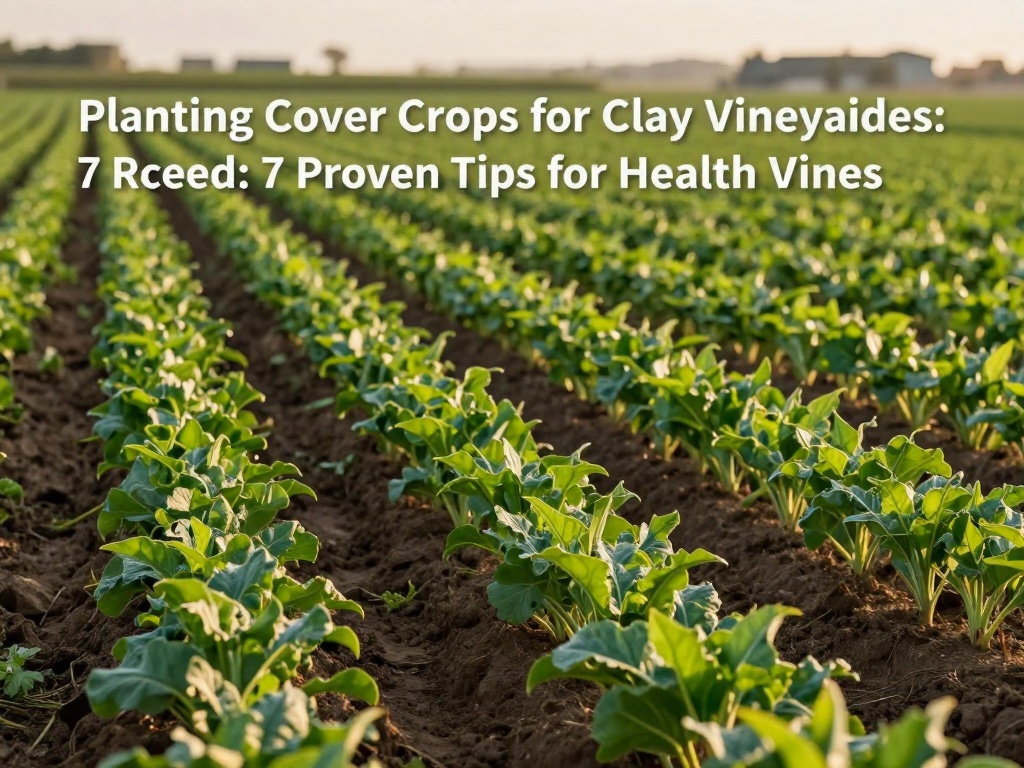
Planting Cover Crops for Clay Vineyards: 7 Proven Tips for Healthy Vines
Clay soil is a widespread but tricky growing medium for vineyards, with poor drainage, slow spring warming, and high compaction risks that can stunt grapevine growth. Planting cover crops for clay vineyards is a sustainable solution to improve soil health, boost grape yields, and reduce long-term maintenance costs. This guide breaks down proven tips to select, plant, and maintain cover crops tailored specifically for clay soil vineyards.

Why Cover Crops Work for Clay Vineyard Soil
The Unique Challenges of Clay Soil for Viticulture
Clay soil particles are tiny and tightly packed, which creates poor air circulation and drainage. Standing water in clay vineyards can lead to grapevine root rot, while compaction restricts root growth and slows soil warming in spring. This can delay bud break and reduce overall vine vigor over time.
How Cover Crops Fix Clay Soil Issues
According to the University of California Davis Viticulture & Enology Program, cover crops reduce soil compaction in clay vineyards by up to 25% over three growing seasons. Cover crops address these challenges by adding organic matter to clay soil, which loosens compacted layers and improves water infiltration.
Deep-rooted cover crops break up hardpan layers deep beneath the soil surface, while leguminous cover crops fix atmospheric nitrogen to feed future grapevine crops. Cover crops also reduce soil erosion, attract beneficial pollinators and pest-eating insects, and suppress weed growth.
7 Expert Tips for Planting Cover Crops for Clay Vineyards
1. Choose Deep-Rooted Cover Crop Varieties
Opt for cover crops with deep, taproot systems to break up clay soil compaction. Top choices include forage radishes, chicory, and annual ryegrass, which can penetrate hardpan layers up to 3 feet deep to improve drainage and root access for grapevines.
2. Select Cover Crops That Tolerate Wet Clay Conditions
Not all cover crops thrive in waterlogged clay soil. Pick varieties like cereal rye, crimson clover, and hairy vetch, which can handle saturated soil without dying off or causing further compaction when planted correctly.
3. Time Planting to Avoid Soggy Clay Soil
Never plant cover crops when clay soil is saturated, as walking or tilling in wet clay will compact the soil further. The best planting windows are late summer or early fall after grape harvest, or early spring when the soil is dry enough to work without leaving footprints.
4. Align Cover Crops With Your Vineyard’s Specific Goals
Focus on your top soil priority: if drainage is your main issue, pick deep-rooted grasses; if you need to boost soil nitrogen, choose leguminous cover crops like hairy vetch or crimson clover. You can also mix cover crops for combined benefits.
5. Keep Cover Crops Away From Vine Trunks
Leave a 12 to 18 inch bare strip around each grapevine trunk to prevent cover crops from competing with young or established vines for water, nutrients, and sunlight. This also reduces the risk of soil-borne pests spreading to vine crowns.
6. Rotate Cover Crops Each Growing Season
Avoid planting the same cover crop year after year, as this can lead to pest and disease buildup in the soil. Rotate between grasses, legumes, and brassicas to support diverse soil microbial life and improve long-term soil health.
7. Terminate Cover Crops Properly Before Bud Break
Mow cover crops 2 to 3 weeks before grape bud break to prevent them from stealing early-season nutrients. You can leave clippings as a natural mulch around vine rows to retain soil moisture and add organic matter as they decompose. Avoid tilling cover crops into clay soil, as this can temporarily disrupt soil structure.
Common Mistakes to Avoid When Planting Cover Crops for Clay Vineyards
Many new vineyard growers make avoidable errors that undermine the benefits of cover crops. These include planting cover crops in saturated clay soil, choosing shallow-rooted varieties that don’t address compaction, skipping the bare strip around vine trunks, and failing to terminate cover crops before they compete with grapevines.
Another common mistake is over-fertilizing cover crops, which can lead to excessive vegetative growth that shades grapevines later in the season. Always follow local soil testing recommendations to avoid overfeeding cover crops.
Frequently Asked Questions About Planting Cover Crops for Clay Vineyards
What cover crops are best for heavy clay vineyard soil?
Top-performing cover crops for heavy clay vineyards include forage radishes, cereal rye, chicory, and hairy vetch. These varieties break up compaction, improve drainage, and support soil health without struggling in wet, tight clay.
How far from grapevines should I plant cover crops?
Always leave a 12 to 18 inch bare strip around each grapevine trunk to prevent cover crops from competing with vine roots for resources. This protects young vines and reduces pest exposure to vine crowns.
When is the best time to plant cover crops in clay vineyards?
The ideal planting windows are late summer or early fall immediately after grape harvest, or early spring when the soil is dry enough to work without compacting. Avoid planting during periods of heavy rain or saturated soil conditions.
Can cover crops reduce grapevine root rot in clay soil?
Yes, cover crops improve clay soil drainage and increase organic matter content, which reduces standing water and lowers the risk of root rot fungal diseases. Healthy, well-drained soil also supports stronger vine roots that are more resistant to soil-borne pathogens.
Planting cover crops for clay vineyards is a long-term, sustainable investment in soil health and grape yields. By following these expert tips, you can overcome the unique challenges of clay soil and support vigorous, healthy grapevines for years to come. For tailored advice, consult a local viticulturist or extension agent who knows your regional soil and climate conditions.
No comments