
7 Proven Organic Slug Control for Strawberry Beds Guide
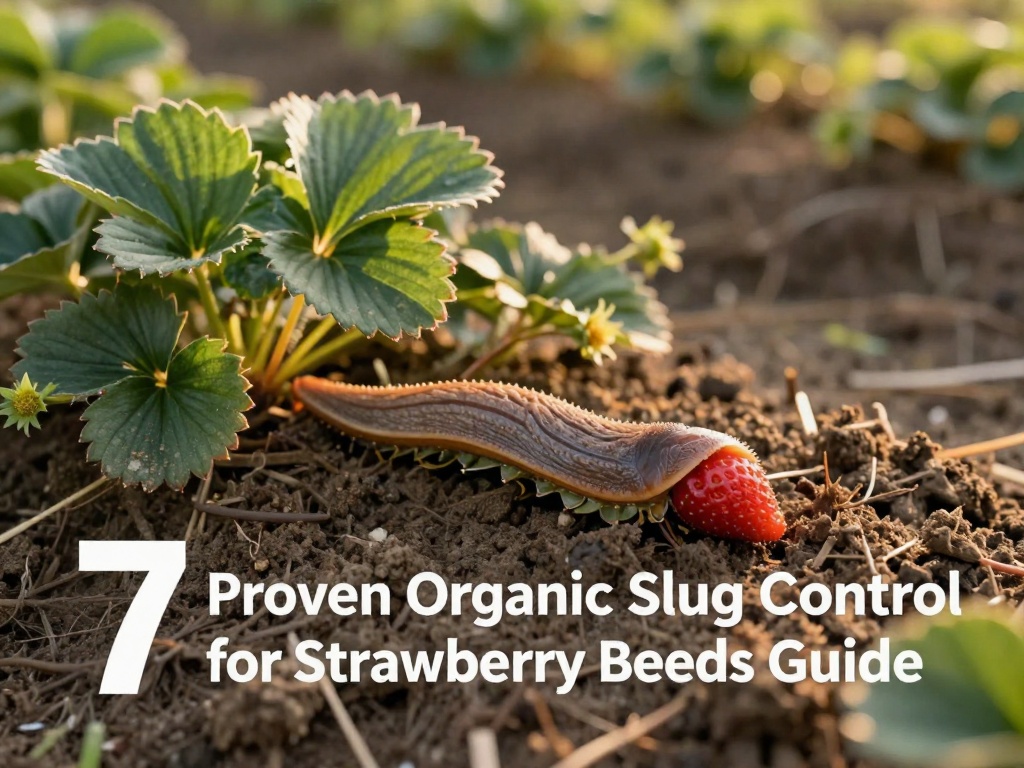
7 Proven Organic Slug Control for Strawberry Beds Guide
Strawberry beds are a highlight of many home gardens and small commercial farms, but slugs can quickly decimate tender leaves, ripe fruit, and your harvest goals. Organic slug control for strawberry beds offers a safe, sustainable solution to fend off these slimy pests without harming beneficial insects, soil health, or the safety of your homegrown strawberries.
How Slugs Damage Strawberry Plants
Common Signs of a Slug Infestation
Slugs leave telltale clues that they’ve invaded your strawberry beds. Look for irregular, ragged holes in strawberry leaves, shiny silvery slime trails on foliage, soil, and ripe fruit, and chewed, misshapen berries, especially those touching the ground. Adult slugs may also hide under mulch or garden debris during the day.
Why Strawberries Are a Slug Magnet
Strawberries are particularly appealing to slugs for three key reasons: their low-growing habit makes foliage and fruit easy to reach, their tender young leaves are soft and easy to chew, and ripe strawberries release sweet aromas that attract slugs. Consistent irrigation for strawberry plants also creates the moist, cool environment slugs prefer to thrive.
7 Proven Organic Slug Control Methods for Strawberry Beds
1. Copper Barriers
Copper creates a mild, non-toxic reaction when it comes into contact with slug mucus, creating a tiny electric-like sensation that repels slugs without harming them. Wrap copper tape around the edges of raised strawberry beds, or place copper rings around individual strawberry plants to create a physical barrier slugs will not cross. This method lasts for years and requires minimal maintenance.
2. Food-Grade Diatomaceous Earth
Food-grade diatomaceous earth (DE) is made from fossilized aquatic algae, and its microscopic sharp edges cut through the soft exoskeleton of slugs, causing them to dehydrate and die. Sprinkle a thin layer of DE around the base of strawberry plants, taking care to reapply after rain or heavy watering. Note that only food-grade DE is safe for use around food crops; pool-grade DE is toxic and should never be used.
3. Beer Traps
Slugs are highly attracted to the yeast in beer, making beer traps an effective, low-cost organic control method. Bury a shallow plastic dish (such as a cleaned yogurt cup) so its rim sits level with the soil surface, then fill the dish with cheap beer. Empty and refill the trap every 2-3 days, or replace it with a yeast-and-sugar water mixture if you’re looking for a budget-friendly alternative.
4. Encourage Natural Slug Predators
Invite native slug predators to your garden to keep slug populations under control naturally. Common predators include ground beetles, frogs, toads, ducks, chickens, and hedgehogs. To attract these helpers, add a small shallow water source for amphibians, plant native flowering shrubs for shelter, and avoid using any broad-spectrum pesticides that could harm beneficial insects.
5. Slug-Repellent Mulch
The right mulch can deter slugs and improve soil health for your strawberry plants. Crushed eggshells, cedar chips, and pine needles create a rough, acidic barrier that slugs avoid, while also adding calcium and other nutrients to the soil. Avoid piling mulch directly against strawberry stems, as this can create hiding spots for slugs and cause stem rot. Leave a 1-inch gap around each plant’s base.
6. Handpicking Slugs
Handpicking is a low-tech, chemical-free method that works well for small to moderate slug infestations. Head out to your strawberry beds early in the morning or in the evening, when slugs are most active, and wear gardening gloves to pick slugs off plants and debris. Drop collected slugs into a bucket of soapy water to kill them humanely.
7. Iron Phosphate Baits
Iron phosphate baits are OMRI-listed organic pest control products that are safe for pets, wildlife, and beneficial insects. Sprinkle a thin layer of bait around your strawberry beds, and slugs will consume it and stop feeding within a few hours, dying off within 1-3 days. The bait breaks down naturally in soil, so it won’t leave harmful residues.
Pro Tips for Long-Term Organic Slug Management
Water Wisely to Reduce Slug Habitat
Slugs thrive in moist environments, so water your strawberry beds in the early morning rather than the evening. This gives foliage and soil time to dry out before nightfall, reducing the cool, damp spots slugs prefer to hide. Avoid overwatering, as excess moisture will create ideal slug breeding conditions.
Keep Strawberry Beds Tidy
Remove fallen leaves, dead foliage, and garden debris from your strawberry beds regularly, as these areas provide hiding spots for slugs during the day. Trim back any overgrown plants that create dense shade, as this can also increase moisture levels and attract slugs.
FAQ About Organic Slug Control for Strawberry Beds
Are coffee grounds effective for organic slug control in strawberry beds?
Yes, coffee grounds create a rough, acidic barrier that slugs avoid, and they also add nitrogen to soil to support strawberry growth. Sprinkle a 1-inch layer of used coffee grounds around your plants, but avoid piling them directly against strawberry stems to prevent rot.
Can I use vinegar to kill slugs in my strawberry beds?
While vinegar can kill slugs on contact, it can also damage strawberry foliage and disrupt soil pH if overapplied. It’s best to use vinegar as a spot treatment only for visible individual slugs, rather than as a broad spray across your entire strawberry bed.
How often do I need to reapply organic slug control methods?
Frequency depends on weather conditions and the method you use: reapply copper barriers, diatomaceous earth, and mulch after rain or heavy watering. Beer traps should be refilled every 2-3 days, while iron phosphate baits will last 1-2 weeks before breaking down in soil.
What’s the best organic slug control method for small strawberry patches?
For small home strawberry patches, handpicking, copper tape barriers, and beer traps are the most effective and low-effort options. These methods require minimal investment and let you target slugs without disrupting your garden’s ecosystem.
No comments