
Organic Fungicide for Pumpkin Powdery Mildew: 7 Proven Fixes
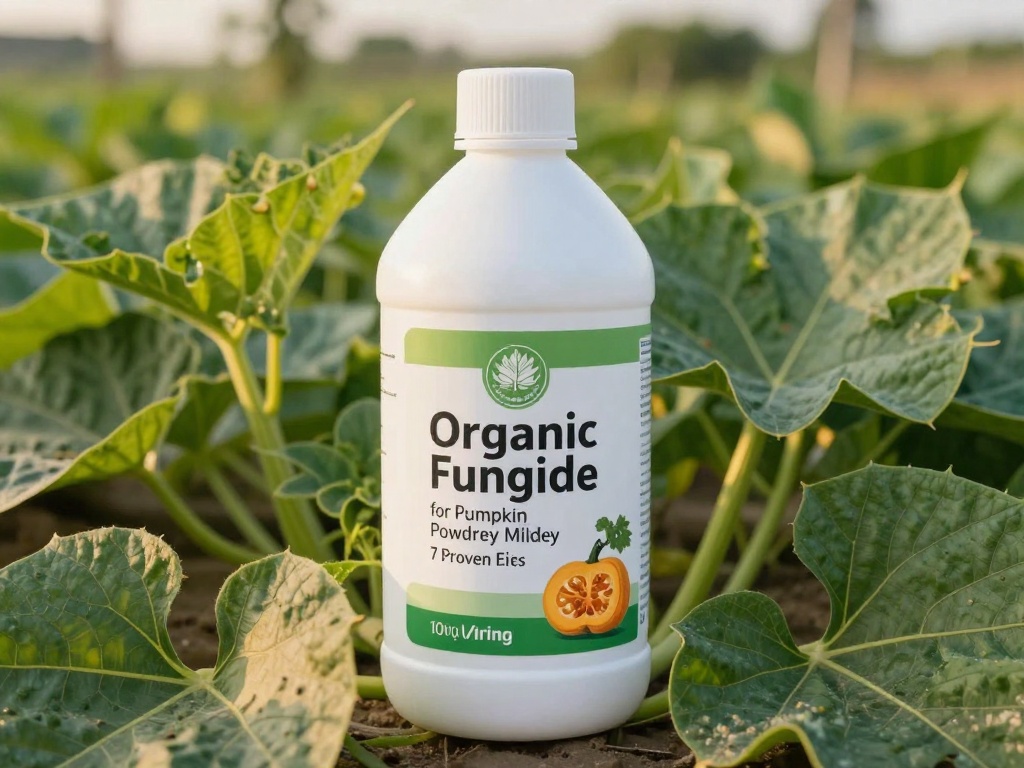
Organic Fungicide for Pumpkin Powdery Mildew: 7 Proven Fixes

Powdery mildew is one of the most common and destructive fungal diseases affecting pumpkin plants, and organic fungicide for pumpkin powdery mildew is a safe, effective way to protect your crop without harsh synthetic chemicals. This guide breaks down everything you need to know to identify, treat, and prevent powdery mildew using all-natural, eco-friendly solutions.
What Is Pumpkin Powdery Mildew?
Powdery mildew is a fungal infection caused by several species of the Podosphaera and Erysiphe genera. It thrives in warm, humid conditions with poor air circulation, spreading quickly across pumpkin leaves, stems, and even young fruit.
How to Identify Powdery Mildew on Pumpkins
Early signs include small, white, powdery spots on the upper surfaces of pumpkin leaves. As the infection spreads, the coating covers entire leaves, causing them to yellow, curl, and drop prematurely. Severe infections can reduce pumpkin yields and weaken plants enough to kill them over time.
Why Choose Organic Fungicides for Pumpkin Powdery Mildew?
Synthetic fungicides can effectively treat powdery mildew, but they often harm beneficial pollinators, leave harmful residues on edible pumpkins, and can lead to fungal resistance over time. Organic fungicide for pumpkin powdery mildew avoids these downsides, making it safe for home gardens and certified organic farms alike.
Many organic options are also affordable, easy to make at home, and comply with USDA organic farming standards.
7 Effective Organic Fungicide Options for Pumpkin Powdery Mildew
Below are seven proven organic fungicide solutions to treat and prevent powdery mildew on your pumpkin plants:
1. Baking Soda Spray
Baking soda is a budget-friendly, readily available option that disrupts fungal cell growth. Mix 1 tablespoon of baking soda with 1 quart of water, plus 1 teaspoon of non-ionic dish soap to help the spray adhere to leaves. Spray the solution onto all affected plant surfaces every 7-10 days.
Avoid applying this spray in direct hot sunlight, as it can cause leaf burn.
2. Neem Oil
Neem oil is a plant-based fungicide that works by blocking fungal spore germination and repelling existing infections. Mix 2 teaspoons of cold-pressed neem oil with 1 teaspoon of dish soap and 1 gallon of water. Spray the solution on both sides of leaves, stems, and fruit.
Apply in early morning or late evening to avoid harming beneficial bees.
3. Sulfur Dust
Sulfur dust is a preventative organic fungicide that creates a protective barrier on plant surfaces to stop spore growth. Apply dust lightly to pumpkin foliage at the first sign of humid weather, but avoid using when temperatures exceed 80°F, as it can cause phytotoxicity.
4. Potassium Bicarbonate
Potassium bicarbonate is a more potent alternative to baking soda, killing existing powdery mildew spores within hours. Mix 1 tablespoon of potassium bicarbonate with 1 quart of water and 1 teaspoon of dish soap, then spray affected plants every 7-10 days.
5. Milk Spray
A 2019 Cornell University study found that a 10% milk solution (1 part whole milk, 9 parts water) effectively inhibits powdery mildew spore germination. Spray the solution on pumpkin plants every 5-7 days as a preventative or early treatment.
6. Organic Copper Fungicides
Fixed copper products like copper sulfate are approved organic fungicides that work as a preventative barrier against powdery mildew. Follow label instructions carefully, as overuse can build up copper levels in soil and harm plant roots.
7. Biocontrol Agents (Bacillus amyloliquefaciens)
These beneficial bacteria colonize leaf surfaces and outcompete powdery mildew spores, preventing them from establishing an infection. Look for commercial products containing Bacillus amyloliquefaciens, and apply according to label directions for best results.
How to Apply Organic Fungicides Correctly
Proper application is key to making organic fungicide for pumpkin powdery mildew work effectively. First, apply treatments at the first sign of powdery mildew, or preventively when humid spring weather arrives.
Be sure to cover all leaf surfaces, including the undersides, where spores often hide. Spray stems and young fruit as needed, and reapply treatments after heavy rain or prolonged humidity.
Always wear gloves and eye protection when handling fungicides, and avoid spraying during peak bee foraging hours to protect pollinators.
Pro Tips to Prevent Pumpkin Powdery Mildew
An ounce of prevention is worth a pound of cure when it comes to powdery mildew. Follow these tips to reduce your risk of infection:
- Space pumpkin plants at least 3 feet apart to improve air circulation
- Water pumpkin plants at the base, rather than overhead, to keep foliage dry
- Remove and destroy infected leaves immediately to stop spore spread
- Rotate pumpkin crops to a new spot each year to reduce soil-borne fungal spores
- Choose powdery mildew-resistant pumpkin varieties like ‘Sweet Pie’ or ‘Jack O’ Lantern Resistant’
FAQ About Organic Fungicide for Pumpkin Powdery Mildew
How often should I apply organic fungicide for pumpkin powdery mildew?
Most organic fungicides require application every 7-14 days, depending on weather conditions. Reapply more frequently after heavy rain or high humidity, as water can wash away the protective coating.
Can I use organic fungicide on edible pumpkin fruit?
Yes, most approved organic fungicides are safe for use on edible pumpkin crops. Always follow the label’s pre-harvest interval to ensure no harmful residues remain on your pumpkins before harvesting.
What’s the best organic fungicide for severe pumpkin powdery mildew infections?
Potassium bicarbonate and biocontrol agents like Bacillus amyloliquefaciens are the most effective options for severe powdery mildew infections, as they quickly kill existing fungal growth and prevent further spread.
Can milk spray replace commercial organic fungicides?
Milk spray is an excellent affordable preventative option, but it may not be strong enough to treat advanced powdery mildew infections. For severe cases, use a commercial organic fungicide like potassium bicarbonate or neem oil.
Using organic fungicide for pumpkin powdery mildew lets you protect your pumpkin crop without sacrificing your garden’s eco-friendly values. With the right treatments and prevention tips, you can enjoy a healthy, bountiful pumpkin harvest this season.
No comments