
7 Effective Organic Aphid Control for Dill Crops in 2024
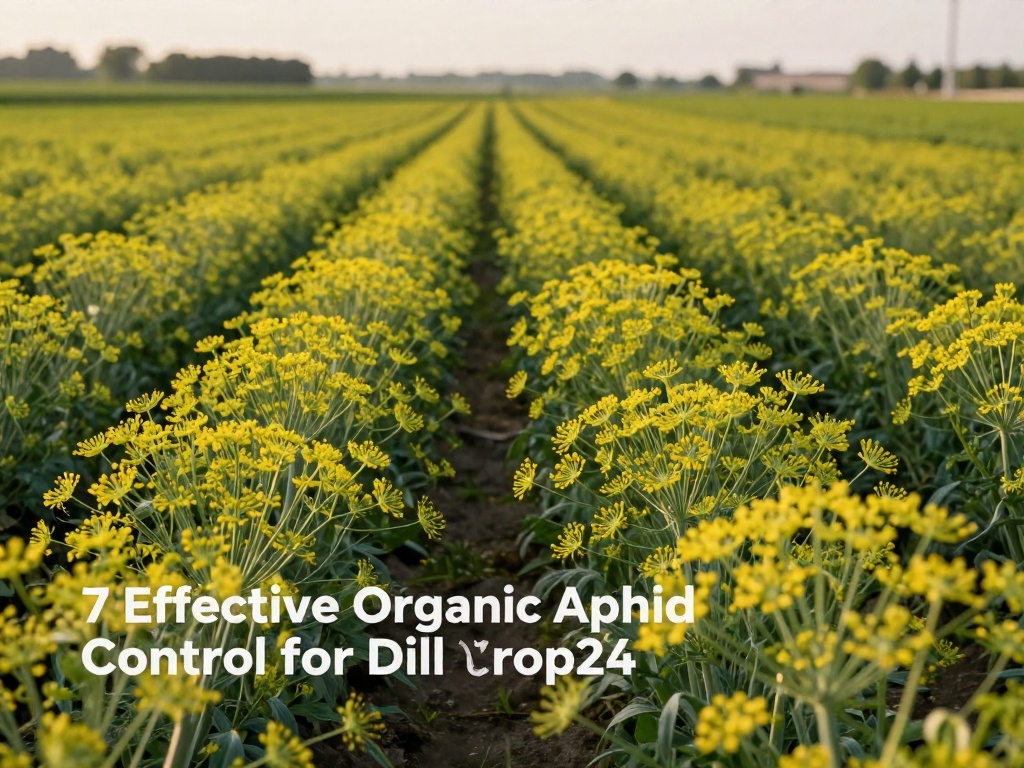
7 Effective Organic Aphid Control for Dill Crops in 2024
Dill is a beloved annual herb prized for its feathery foliage, edible seeds, and ability to attract beneficial pollinators like bees and ladybugs. But aphids—tiny, soft-bodied sap-sucking insects—can quickly infest dill crops, stunting growth, distorting leaves, and spreading plant viruses. Using organic aphid control for dill crops protects your harvest without leaving harmful chemical residues on fresh herbs, making it ideal for home gardeners and small-scale commercial farmers alike. Below are 7 proven, sustainable methods to keep aphids off your dill plants.
Identifying Aphid Infestations on Dill Plants
Aphids are usually green, black, or brown, and cluster on the undersides of dill leaves and at the tender growing tips of stems. They leave sticky honeydew behind, which can attract ants and foster sooty mold growth. You may also notice curled, yellowing leaves or stunted dill heads if your crop is heavily infested.
7 Effective Organic Aphid Control for Dill Crops
1. Targeted Insecticidal Soap Sprays
Insecticidal soap is an EPA-approved organic option that kills aphids on contact without harming beneficial insects like ladybugs when applied correctly. Mix 2 to 3 tablespoons of mild, organic castile soap with 1 gallon of water, then spray the solution directly onto infested dill foliage. Be sure to cover the undersides of leaves, where aphids often hide. Repeat every 3 to 5 days until the infestation is gone.
2. Cold-Pressed Neem Oil Treatments
Cold-pressed neem oil is a natural insecticide that disrupts aphid feeding and reproduction. Mix 1 teaspoon of neem oil with 1 quart of water and a few drops of dish soap to help the emulsion stick to dill leaves. Spray the solution on all parts of the plant, avoiding midday sun to prevent leaf burn. Apply every 7 to 14 days for ongoing protection.
3. Beneficial Predatory Insect Releases
Ladybugs, lacewings, and parasitic wasps are natural aphid predators that will feast on infestations and keep populations under control. You can purchase these insects from garden supply stores and release them directly onto your dill crops. Planting companion flowers like cosmos or yarrow near dill will also attract these beneficial insects naturally.
4. DIY Hot Pepper Spray Repellent
A homemade hot pepper spray repels aphids without killing them, encouraging them to move on to less hostile plants. Mix 1 tablespoon of cayenne pepper, 1 teaspoon of dish soap, and 1 quart of water. Let the mixture sit overnight, then strain and spray onto dill foliage. Reapply after rain or every 7 to 10 days.
5. Horticultural Oil Drenches for Heavy Infestations
Horticultural oil smothers aphids and their eggs, making it ideal for severe infestations. Apply the oil during dormant periods or when temperatures are below 85°F to avoid damaging dill foliage. Follow the product instructions for dilution rates, and ensure full coverage of all plant surfaces.
6. Ant Barrier Systems
Ants farm aphids for their honeydew, protecting them from natural predators. Wrap a band of sticky tape or food-grade diatomaceous earth around the base of dill plants to prevent ants from climbing up and tending to aphid colonies. This removes the ants’ protection, allowing beneficial insects to eliminate the aphid population over time.
7. Crop Rotation and Strategic Companion Planting
Rotating dill crops to a new spot each year prevents aphid eggs from overwintering in soil. Pair dill with plants that repel aphids, such as nasturtiums, chives, or garlic, to create a natural pest barrier. Avoid planting dill near fennel or carrots, which are also susceptible to aphid infestations.
Pro Tips for Long-Term Organic Aphid Prevention
Beyond active control methods, there are simple steps to prevent aphid infestations before they start. Regularly inspect your dill plants for early signs of aphids, especially during warm, dry weather when aphid populations thrive. Avoid over-fertilizing dill, as soft, new growth is more attractive to aphids. Water dill at the base of the plant instead of overhead, as moist foliage can encourage pest and disease issues.
FAQ About Organic Aphid Control for Dill Crops
Can I use vinegar to control aphids on dill?
While vinegar can repel aphids, it can also damage dill foliage if used in high concentrations. Stick to organic, gentle methods like insecticidal soap or neem oil for safer, more effective results that won’t harm your crop.
How often should I check my dill plants for aphids?
Inspect your dill plants at least once a week during warm growing seasons, and twice weekly if you notice early signs of aphids like small clusters on leaf undersides.
Will aphids kill my mature dill crop?
A small, localized aphid infestation is unlikely to kill mature dill plants, but heavy, prolonged infestations can stunt growth, reduce seed production, and spread harmful plant viruses. Prompt organic control is key to protecting your harvest.
No comments