
Organic Fungicide for Carrot Leaf Blight: 7 Effective Solutions
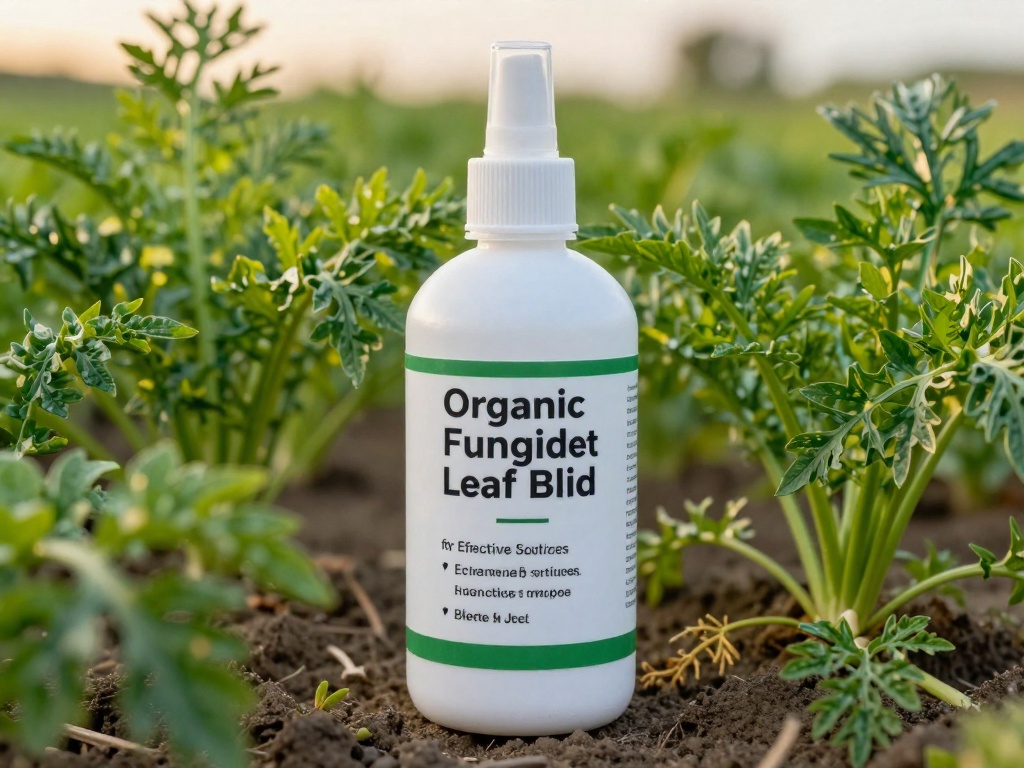
Organic Fungicide for Carrot Leaf Blight: 7 Effective Solutions
Carrot leaf blight is a devastating fungal disease that can wipe out up to 80% of your carrot harvest if left untreated, according to the USDA Agricultural Research Service. Using organic fungicide for carrot leaf blight is a safe, sustainable way to protect your crops without harmful synthetic chemicals that harm pollinators, soil health, and human health.

What Is Carrot Leaf Blight?
Carrot leaf blight is caused primarily by the fungus Alternaria dauci, though some strains of Cercospora carotae can also cause similar symptoms. The disease first appears as small, yellow-green spots on carrot leaves that quickly turn brown and necrotic.
Severe infections cause defoliation, which reduces the plant’s ability to photosynthesize and stunts carrot root growth. The fungus spreads via water splashes, wind, and contaminated gardening tools, thriving in cool, wet conditions.
Why Choose Organic Fungicides for Carrot Leaf Blight?
Organic fungicides offer a range of benefits for home gardeners and commercial organic farmers alike. Unlike synthetic fungicides, they do not leave harmful chemical residues on carrot roots, making them safe for both consumption and pollinator exposure.
They also support long-term soil health, as they do not kill beneficial soil microbes, and comply with USDA National Organic Program standards. Many organic fungicides also double as plant strengtheners, boosting your crop’s natural resistance to disease.
7 Effective Organic Fungicides for Carrot Leaf Blight
1. Copper Sulfate (Bordeaux Mixture)
Copper sulfate creates a protective barrier on carrot foliage to prevent fungal spore germination. Mix 1 tablespoon of copper sulfate with 1 tablespoon of hydrated lime and 1 gallon of water to make Bordeaux mixture.
Apply the solution early in the growing season, before symptoms appear, and repeat every 10 to 14 days during wet weather. Avoid applying copper sulfate during hot midday sun to prevent leaf burn.
2. Neem Oil
Neem oil contains azadirachtin, a natural compound that repels fungi and disrupts their life cycle. Mix 2 teaspoons of cold-pressed neem oil with 1 teaspoon of liquid castile soap and 1 gallon of water to create a sprayable solution.
Spray the solution on both upper and lower leaf surfaces, and reapply after rain or every 7 to 10 days. Neem oil is most effective when used as a preventative treatment.
3. Bacillus amyloliquefaciens (e.g., Serenade ASO)
This beneficial bacterium colonizes plant surfaces and outcompetes harmful fungi, preventing them from infecting carrot foliage. It is approved for organic farming and safe for use on edible crops.
Follow the manufacturer’s instructions for application rates, and apply every 7 to 14 days during periods of high disease pressure. This fungicide works best when applied preventatively.
4. Horsetail Extract (Equisetum arvense)
Horsetail extract contains silicic acid, which strengthens plant cell walls and makes them more resistant to fungal infection. To make the extract, steep 4 ounces of dried horsetail in 1 gallon of boiling water for 1 hour, then strain and cool.
Spray the extract on carrot foliage every 7 to 10 days throughout the growing season. This treatment also deters other common garden fungal diseases like powdery mildew.
5. Potassium Bicarbonate
Potassium bicarbonate is a fast-acting organic fungicide that disrupts the cell membranes of fungal pathogens, killing them on contact. Mix 4 teaspoons of potassium bicarbonate with 1 gallon of water and 1 teaspoon of liquid castile soap to help the solution adhere to foliage.
Apply this treatment at the first sign of leaf blight, and repeat every 5 to 7 days until symptoms subside. It is most effective on young, newly infected foliage.
6. Garlic Spray
Garlic contains natural antifungal compounds that inhibit spore germination and fungal growth. To make garlic spray, crush 5 cloves of garlic and steep them in 1 pint of mineral oil for 24 hours, then strain and mix 2 tablespoons of the mixture with 1 gallon of water and 1 teaspoon of liquid castile soap.
Spray the solution on carrot foliage every 7 to 10 days, and reapply after rain. This homemade organic fungicide is affordable and easy to make at home.
7. Chamomile Tea Spray
Chamomile tea contains natural antifungal properties that prevent fungal spore germination and boost plant immunity. Brew 2 tablespoons of dried chamomile flowers in 1 quart of boiling water, let it cool, then strain and dilute with 3 quarts of water.
Spray the solution on carrot foliage every 7 to 10 days as a preventative treatment. This gentle spray is safe for young seedlings and delicate carrot foliage.
How to Apply Organic Fungicides for Carrot Leaf Blight Effectively
Timing is critical when using organic fungicide for carrot leaf blight. Always apply treatments early in the growing season, before symptoms appear, to create a protective barrier on foliage.
During cool, wet weather, increase application frequency to every 7 to 10 days, as these conditions favor fungal spore spread. Be sure to cover both upper and lower leaf surfaces, as fungi often thrive on the undersides of foliage.
Pair fungicide applications with cultural practices to maximize effectiveness: rotate carrot crops with non-umbelliferous plants like tomatoes or corn, space plants to improve air circulation, and avoid overhead watering to reduce water splashes that spread fungal spores.
Frequently Asked Questions About Organic Fungicide for Carrot Leaf Blight
How often should I apply organic fungicides for carrot leaf blight?
Apply organic fungicides every 7 to 14 days during cool, wet weather when fungal spores are most active. Stop applications 2 weeks before harvest to avoid any residue on your carrot roots.
Can I make homemade organic fungicides for carrot leaf blight?
Yes! Homemade options like garlic spray, chamomile tea spray, and horsetail extract are easy to make with affordable, natural ingredients. Always test a small area of your crop first to avoid potential leaf burn.
What cultural practices help prevent carrot leaf blight?
Key cultural practices include rotating carrot crops with non-umbelliferous plants, spacing plants to improve air circulation, removing infected plant debris at the end of the growing season, and using drip irrigation instead of overhead watering.
Are organic fungicides as effective as synthetic options?
While organic fungicides may require more frequent applications than synthetic alternatives, they are equally effective when applied correctly and paired with good cultural practices. They also offer the added benefit of being safe for organic farming certifications and human consumption.
For personalized advice tailored to your local climate and fungal strains, contact your local extension office. With the right organic fungicide and proper care, you can protect your carrot crop from leaf blight and enjoy a healthy, bountiful harvest.
No comments