
Late Season Bean Leaf Beetle Control: 7 Proven Tips to Protect Your Harvest
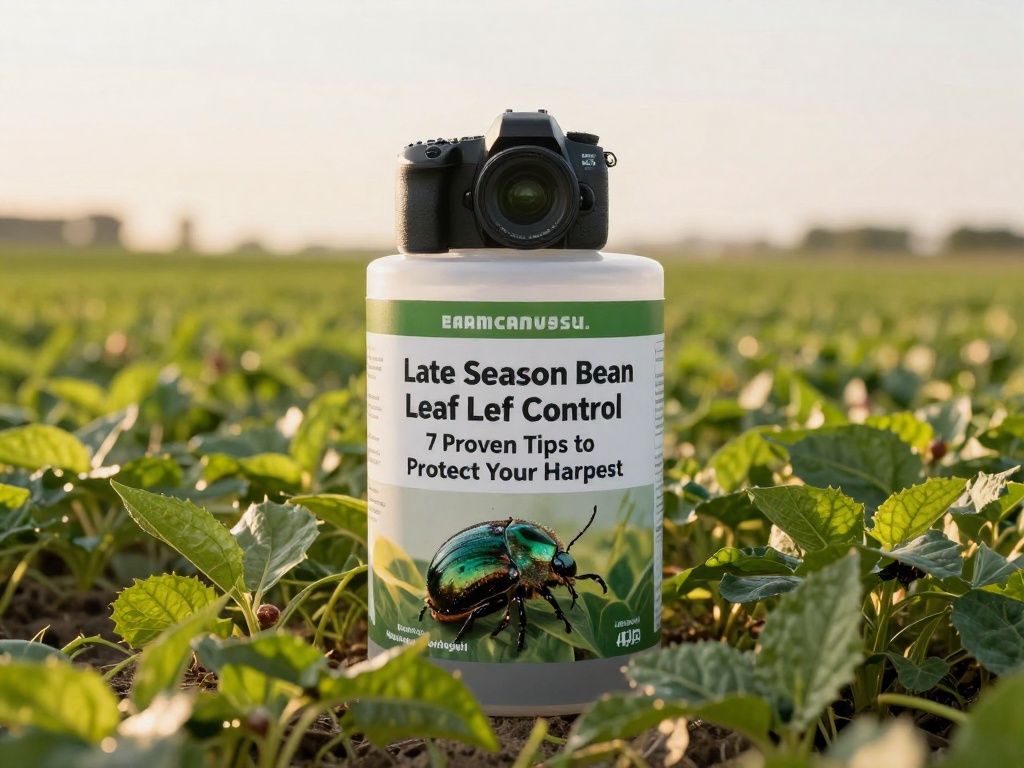
Late Season Bean Leaf Beetle Control: 7 Proven Tips to Protect Your Harvest
Late season bean leaf beetle control is a critical task for small-scale and commercial bean farmers alike, especially in the final 4–6 weeks before harvest. These pests target bean crops during pod development, when yield and quality are most at risk, and late-season treatment requires careful planning to avoid harming beneficial pollinators or leaving harmful chemical residues on harvestable beans.

Recognizing Late Season Bean Leaf Beetle Threats
What Are Late Season Bean Leaf Beetles?
Adult bean leaf beetles are small, oval-shaped insects measuring roughly ¼ inch long. They typically appear in yellow, green, or reddish-brown hues, often with black spots on their wing covers and a distinct black border around their body edges. Overwintering adults emerge in spring, but late-season populations build as new generations mature and feed on maturing bean pods.
Common Late Season Damage Symptoms
Unlike early-season feeding, which primarily damages leaves, late season bean leaf beetles target pods, creating small holes that expose beans to rot and disease. They can also transmit bean pod mottle virus (BPMV), which reduces seed quality and yields. According to the USDA Agricultural Research Service, BPMV can cut bean yields by up to 30% in severe infestations.
7 Proven Late Season Bean Leaf Beetle Control Tactics
1. Targeted Scouting and Weekly Monitoring
Walk your bean fields at least once per week in late summer, checking undersides of leaves and developing pods for beetles or feeding damage. Use a sweep net to collect specimens and count populations: if you find more than 5 beetles per 10 sweeps, it’s time to take action, per University of Illinois Extension guidelines.
2. Use Late-Season Safe, Targeted Sprays
Choose pesticides labeled for late-season bean use, with short pre-harvest intervals (PHIs) to avoid residue on harvestable beans. Organic options include neem oil or pyrethrins, while synthetic options like lambda-cyhalothrin work for severe infestations. Always follow label rates to protect pollinators.
3. Release Beneficial Insects
Introduce parasitic wasps or ladybugs to your fields, as these natural predators feed on bean leaf beetle eggs and larvae. This tactic is ideal for organic farms and avoids chemical residues, per Rodale Institute research.
4. Install Quick-Release Row Covers
Place lightweight row covers over your bean crop once you spot early beetle activity in late summer. Be sure to remove covers during bloom periods to allow honeybees and other pollinators access to flowers, then replace them once pod set begins.
5. Practice Late-Season Sanitation
Remove any weed hosts or damaged bean plants from your fields, as these provide shelter and food for overwintering beetles. Clear crop debris after harvest to reduce next year’s pest population.
6. Plant Resistant Bean Varieties
Choose bean varieties bred for resistance to bean leaf beetles and BPMV, such as ‘Blue Lake 274’ or ‘Scarlet Runner’ beans. Resistant varieties can reduce the need for chemical treatments even during heavy infestations.
7. Adjust Harvest Timing
If you’re dealing with a mild infestation, harvest your beans a few days earlier than planned to reduce beetle feeding damage on fully mature pods. This tactic works best for snap beans, which can be harvested at a slightly younger stage without losing quality.
Safety Best Practices for Late Season Bean Pest Control
Always follow label instructions for any pest control product, especially when treating crops close to harvest. Avoid broad-spectrum pesticides that kill beneficial pollinators, and opt for targeted treatments whenever possible. Wear protective gear like gloves and goggles when applying sprays, and keep children and pets away from treated fields until the PHI has passed.
Frequently Asked Questions About Late Season Bean Leaf Beetle Control
When is the best time to scout for late season bean leaf beetles?
The best time to scout is late summer, roughly 4–6 weeks before your planned harvest date, when new generations of beetles begin feeding on maturing pods.
Can late season bean leaf beetle control prevent bean pod mottle virus?
Yes, controlling beetle populations in late season can reduce the spread of BPMV, as the virus is transmitted primarily by feeding beetles. Early detection and treatment are key to limiting virus spread.
Are organic sprays effective for late season bean leaf beetle control?
Yes, organic options like neem oil, pyrethrins, and insecticidal soap can be effective when applied directly to beetles and their feeding sites. For best results, apply sprays in the early morning or late evening when pollinators are less active.
No comments