
7 Effective Organic Fungicide for Strawberry Powdery Mildew
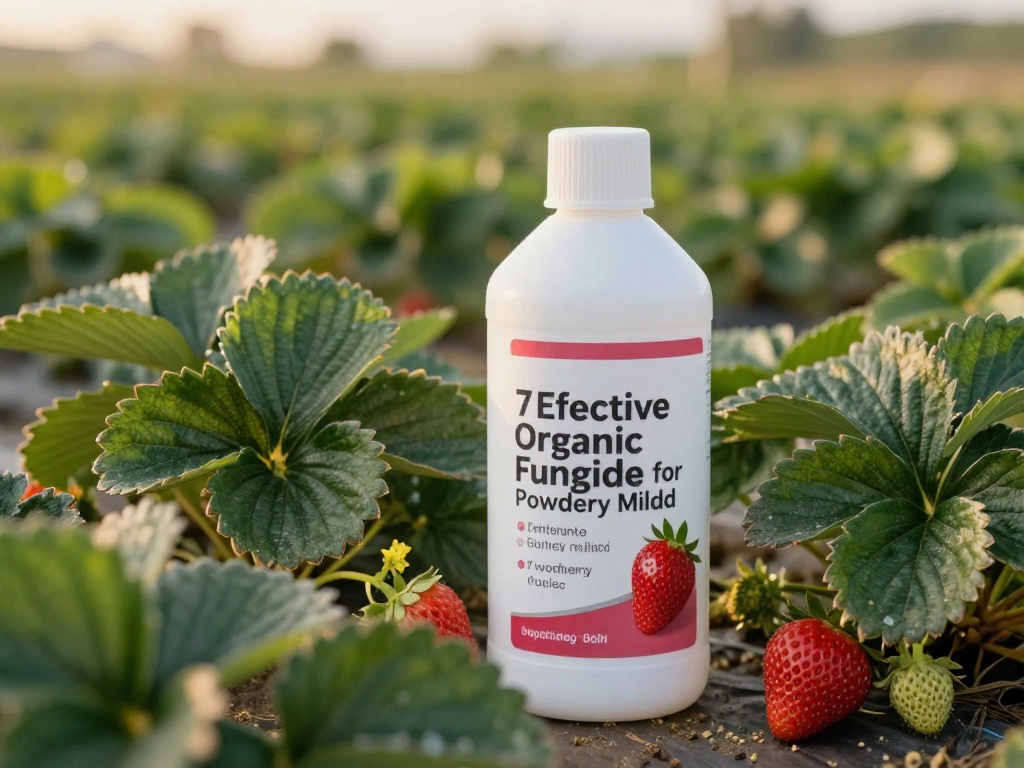
7 Effective Organic Fungicide for Strawberry Powdery Mildew
Strawberry powdery mildew, caused by the fungus Podosphaera aphanis, is one of the most destructive diseases for both commercial and home garden strawberry growers. Synthetic fungicides are off-limits for organic operations, making organic fungicide for strawberry powdery mildew a critical tool for protecting yields and marketable fruit. This guide breaks down 7 effective, OMRI-listed organic treatments, plus application tips and preventative steps to keep your strawberry patch healthy.
What Is Strawberry Powdery Mildew?
How It Spreads and Damages Crops
This fungal disease thrives in warm, humid conditions with poor air circulation. It spreads via wind-borne spores, which land on strawberry leaves, stems, and fruit. Infected plants develop a white, powdery coating that blocks sunlight and reduces photosynthesis. Severe infections can cause stunted growth, misshapen berries, and total crop loss if left untreated.
Top 7 Organic Fungicide Treatments for Strawberry Powdery Mildew
1. Neem Oil
Neem oil, pressed from the seeds of the neem tree, is a popular organic fungicide and insect repellent. Its active compound, azadirachtin, disrupts fungal cell membranes and inhibits spore germination. For best results, mix 1 to 2 teaspoons of cold-pressed neem oil with 1 quart of water, plus 1 teaspoon of liquid dish soap as an emulsifier. Spray every 7 to 10 days, avoiding midday sun to prevent leaf burn.
2. Baking Soda Solution
Baking soda is an affordable, homemade organic fungicide that raises the pH of leaf surfaces to create an unfavorable environment for powdery mildew. Mix 1 tablespoon of baking soda, 1 teaspoon of dish soap, and 1 gallon of water. Spray weekly on infected plants, but avoid overapplying, as high concentrations can cause leaf scorching. This works best as a preventative or early-stage treatment.
3. Potassium Bicarbonate
Potassium bicarbonate is a more potent alternative to baking soda, with less risk of phytotoxicity. It works by disrupting fungal cell walls and stopping spore growth. OMRI-listed brands like GreenCure are widely available for home and commercial use. Apply a 0.5 to 1% solution every 5 to 7 days during high mildew pressure, per University of California IPM guidelines.
4. Sulfur Dust
Sulfur dust is a classic organic fungicide that has been used for over a century to control powdery mildew. It prevents spore germination by coating plant surfaces and interfering with fungal metabolism. Do not apply sulfur when temperatures exceed 80°F (27°C), as it can cause leaf burn. Avoid spraying during peak bee activity to protect pollinators.
5. Bacillus amyloliquefaciens (Serenade Garden)
This beneficial bacterium colonizes leaf surfaces and outcompetes powdery mildew fungi, while also boosting the strawberry plant’s natural defense system. Serenade Garden is OMRI-listed and safe for use around pollinators and beneficial insects. Apply as a foliar spray every 7 to 14 days, following product label instructions for dilution rates.
6. Milk Spray
A simple DIY option, milk spray works by triggering the strawberry plant’s systemic acquired resistance (SAR) to fungal infections. Mix 1 part whole milk with 2 to 3 parts water, then spray the foliage and fruit clusters weekly. Studies from the University of Wisconsin Extension confirm this treatment reduces powdery mildew severity by up to 60% in home garden plots.
7. Horsetail Extract
Horsetail (Equisetum arvense) is a wild herb with natural antifungal and antibacterial properties. To make the extract, steep 4 ounces of fresh horsetail in 1 gallon of boiling water for 2 hours, then strain and cool. Spray the solution on strawberry plants every 7 to 10 days as a preventative or early-stage treatment.
How to Properly Apply Organic Fungicides
Timing is critical when using organic fungicides for strawberry powdery mildew. Apply treatments before infection appears, or at the first sign of white powdery spots on leaves.
Be sure to cover all parts of the plant, including the undersides of leaves and the base of fruit clusters, where mildew often hides. Rotate between different organic fungicide classes to avoid building fungal resistance.
Always follow product label instructions, and avoid spraying when pollinators are active, typically during early morning or late evening hours.
Preventative Tips to Reduce Mildew Risk
The best way to manage powdery mildew is to prevent it from taking hold in the first place. Space strawberry plants 12 to 18 inches apart to improve air circulation, which reduces humidity around foliage.
Use drip irrigation instead of overhead watering to keep leaf surfaces dry, as moist leaves create ideal conditions for fungal spore germination. Remove and destroy any infected leaves or plants immediately to stop the spread of spores.
Choose powdery mildew-resistant strawberry varieties, such as Jewel, Allstar, or Chandler, to lower your reliance on fungicides altogether.
FAQ About Organic Fungicide for Strawberry Powdery Mildew
Can I use homemade organic fungicides on edible strawberry fruit?
Yes, most homemade options like baking soda, milk, and neem oil are safe for edible strawberry crops when applied 1 to 2 weeks before harvest. Always wash berries thoroughly before eating to remove any residual spray.
How often should I apply organic fungicides for powdery mildew?
Most organic fungicides require application every 7 to 10 days during warm, humid weather that favors mildew growth. Adjust frequency based on product labels and the severity of infection in your patch.
Are organic fungicides as effective as synthetic options?
When applied early and combined with preventative cultural practices, organic fungicides can be nearly as effective as synthetic alternatives. They also offer key benefits, including safer soil and pollinator protection, and compliance with organic farming standards.
No comments