
Organic Weed Control for Asparagus Beds: 7 Effective Methods
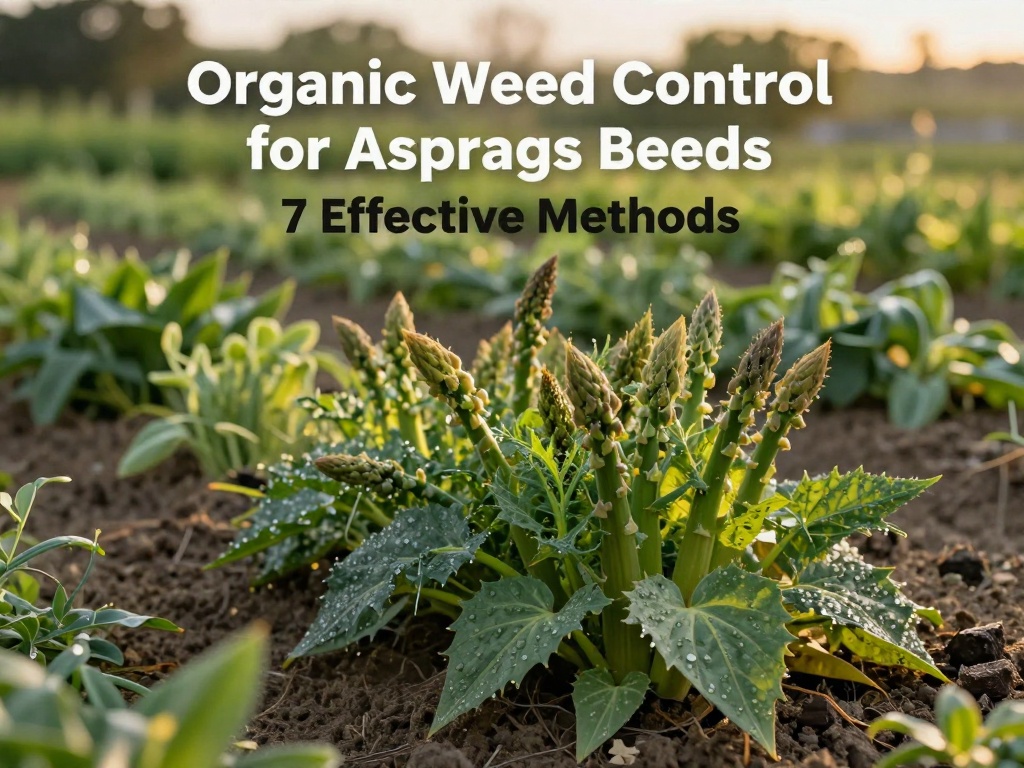
Organic Weed Control for Asparagus Beds: 7 Effective Methods
Organic weed control for asparagus beds is a critical task for perennial vegetable growers, as asparagus crowns can produce harvestable spears for 20+ years if cared for properly. Unlike annual vegetable gardens, tilling asparagus beds regularly damages deep, established crowns, making traditional mechanical weed control tricky. Harsh synthetic herbicides also risk contaminating soil, harming beneficial pollinators, and even stunting asparagus growth. This guide breaks down proven organic methods to keep your asparagus beds weed-free while protecting soil health and your plants.
The Case for Organic Weed Control in Asparagus Beds
Perennial Asparagus’s Unique Weed Challenges
Asparagus grows from deep crowns that sit 6-12 inches below the soil surface, so frequent tilling to control weeds will sever these crowns and reduce future yields. Weeds also compete with asparagus for sunlight, water, and nutrients, cutting harvests by up to 30% according to the University of Minnesota Extension.
The Risks of Synthetic Herbicides
Synthetic herbicides like glyphosate can kill asparagus plants if applied directly to spears or foliage, and they can also persist in soil for months, harming beneficial soil microbes. The Environmental Protection Agency notes that some synthetic herbicides are toxic to pollinators, making them a poor choice for organic gardeners and small-scale farmers.
7 Effective Organic Weed Control Methods for Asparagus Beds
Hand Weeding
Hand weeding is the most gentle organic option for asparagus beds, ideal for removing small, emerging weeds without risking crown damage. The best time to hand weed is early in the morning when soil is moist, making it easier to pull weeds by their roots. Focus on removing weeds before they produce seed heads, as a single weed can spread hundreds of seeds across your bed over a single growing season. This method works best for small to medium-sized asparagus patches.
Organic Mulching
Organic mulch is one of the most popular and effective organic weed control methods for asparagus beds. A 2-3 inch layer of straw, pine straw, shredded hardwood, or grass clippings blocks sunlight from reaching weed seeds, preventing them from germinating. Avoid piling mulch directly against asparagus crowns, as this can trap moisture and cause crown rot. Replenish mulch each spring after the final frost to maintain proper coverage. The University of California Cooperative Extension recommends straw mulch for asparagus beds, as it breaks down slowly and adds organic matter to the soil over time.
Solarization for New Asparagus Beds
Solarization is a pre-planting organic weed control method perfect for clearing weed pressure before you install asparagus crowns. To solarize a bed, clear all existing vegetation, till the soil to a depth of 6 inches, and moisten the soil thoroughly. Cover the bed with a 4-mil clear plastic sheet, securing the edges with soil or rocks to trap heat. Leave the plastic in place for 4-6 weeks during the hottest part of the summer, when soil temperatures can reach 140°F, killing most weed seeds and existing weeds. Remove the plastic and till the soil before planting asparagus crowns.
Cover Cropping Between Rows
Once asparagus beds are established for 2+ years, cover cropping between rows can suppress weeds and improve soil health. Choose low-growing cover crops like white clover or creeping red fescue, which won’t compete with asparagus for sunlight. Mow the cover crops 2-3 times per growing season to prevent them from going to seed, and leave the clippings on the bed as a natural mulch. Avoid using cover crops that spread aggressively, like annual rye, which can overtake asparagus rows over time.
Concentrated Vinegar Sprays
Concentrated 20% acetic acid vinegar is a fast-acting organic weed killer that works well for spot-treating weeds in asparagus beds. Spray the vinegar directly on weed foliage on a sunny, warm day, as the heat will amplify the herbicidal effects. Take care to avoid spraying asparagus spears or foliage, as vinegar can burn and damage the plants. This method works best for small, young weeds, and it won’t persist in soil, making it a safe option for organic growers. Note that regular household vinegar (5% acetic acid) is less effective for weed control.
Corn Gluten Meal Pre-Emergent
Corn gluten meal is a natural byproduct of corn milling that prevents weed seeds from germinating, making it an effective pre-emergent organic weed control option. Apply 10-20 pounds of corn gluten meal per 1,000 square feet of asparagus bed in early spring, just before asparagus spears emerge. Wait until asparagus has been established for 2-3 years before using corn gluten meal, as it can prevent the growth of young asparagus seedlings. This method works best for annual weeds that sprout from seed, not perennial weeds that spread from roots or rhizomes.
Flame Weeding
Flame weeding uses a propane torch to kill young weeds with high heat, without leaving any chemical residue in the soil. This method is ideal for controlling weeds between asparagus rows, where hand weeding or mulching may be less effective. Use a handheld flame weeder on a low setting, and pass the torch quickly over weed foliage to avoid damaging asparagus crowns or established plants. The best time to use flame weeding is early spring before asparagus spears emerge, or in late fall after asparagus foliage has been cut back and removed.
Timing Guidelines for Optimal Weed Control
Timing is critical for organic weed control in asparagus beds, as applying methods at the wrong stage can harm your plants or reduce effectiveness. Follow this quick guide to timing:
- Early Spring: Apply mulch, corn gluten meal, or perform flame weeding before asparagus spears emerge.
- During Harvest: Hand pull small weeds as they appear, taking care not to disturb asparagus roots.
- Post-Harvest: Remove any weeds that grew during the harvest season, and add a fresh layer of mulch.
- Late Fall: After cutting back asparagus foliage, solarize new beds or spot-treat weeds with vinegar before winter sets in.
Common Mistakes to Avoid
Many gardeners make avoidable mistakes when managing weeds in asparagus beds, which can reduce plant health and yields:
- Piling Mulch Against Crowns: This traps moisture and causes crown rot, which can kill established asparagus plants.
- Using Salt-Based Weed Killers: Salt accumulates in soil over time, making it impossible to grow asparagus or other sensitive plants.
- Tilling Deeply: Tilling severs asparagus crowns, which reduces future harvests.
- Letting Weeds Go to Seed: A single weed can produce thousands of seeds, leading to a bigger weed problem the following year.
FAQ: Organic Weed Control for Asparagus Beds
Can I use regular household vinegar for weed control in asparagus beds?
Regular 5% acetic acid vinegar is not effective for killing established weeds. For spot treatment, use 20% concentrated acetic acid vinegar, and take care to avoid spraying asparagus foliage to prevent burn damage.
How long does asparagus take to become established for specialized weed control methods?
Asparagus beds take 2-3 years to become fully established, during which time the crowns develop deep root systems. Avoid using corn gluten meal or aggressive tillage during this period to protect young plants.
What’s the best mulch for asparagus beds?
Straw, pine straw, and shredded hardwood are all excellent options for asparagus beds. These materials block sunlight from weed seeds, add organic matter to soil, and won’t compact over time to restrict root growth.
Is hand weeding necessary if I use mulch in my asparagus beds?
Yes, occasional hand weeding is still needed to remove weeds that sprout through the mulch layer, especially in the first few years of bed establishment when weed pressure is highest.
No comments