
Planting Companion Herbs for Tomato Plants: 7 Top Picks 2024
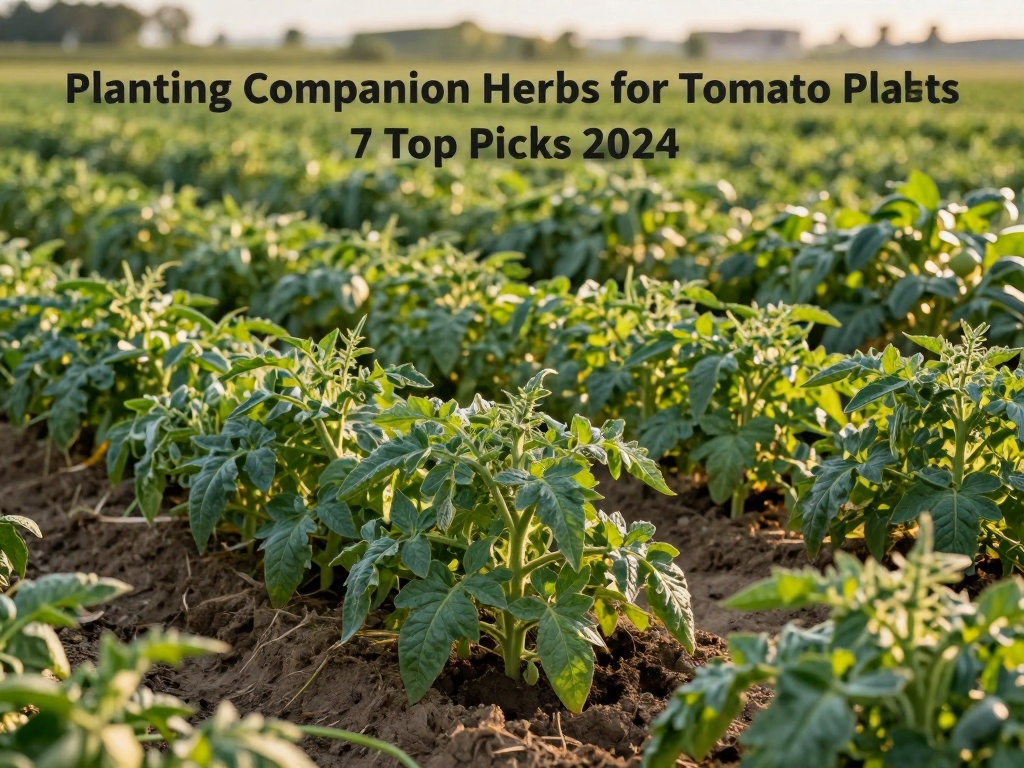
Planting Companion Herbs for Tomato Plants: 7 Top Picks 2024
Planting companion herbs for tomato plants is a time-tested gardening strategy that boosts crop health, repels harmful pests, and even improves the flavor of your harvest. According to the University of California Master Gardeners, pairing tomatoes with the right herbs can reduce pest pressure by up to 40% in some cases, while also attracting beneficial pollinators like bees and parasitic wasps. Whether you’re growing tomatoes in a backyard garden or raised beds, choosing the right companion herbs can make a huge difference in your annual yield.
What Is Companion Planting for Tomatoes?
Companion planting involves growing two or more plants together that provide mutual benefits, such as pest control, improved soil fertility, or enhanced flavor. Tomatoes are particularly well-suited for companion planting, as they are prone to common pests like tomato hornworms, aphids, and early blight.
The best herb companions for tomatoes will either repel these pests, attract natural predators, or supplement the heavy nutrient needs of growing tomato plants. Unlike flower companions, herb companions also offer culinary uses, making them a practical and rewarding addition to any tomato garden.
7 Top Companion Herbs for Tomato Plants
Basil
Basil is the most popular companion herb for tomatoes, and for good reason. It repels aphids, tomato hornworms, and whiteflies, while also enhancing the sweet, earthy flavor of tomato fruits. Plant basil seedlings alongside your tomato plants once all danger of frost has passed, and harvest leaves regularly to encourage bushy growth.
Chives
Chives are a cold-hardy herb that repels aphids, Japanese beetles, and fungal spores from tomato plants. They also release small amounts of nitrogen into the soil, which supports the heavy nutrient needs of growing tomatoes. Plant chive bulbs or seedlings around the base of tomato plants, and harvest the hollow green stems for use in salads and soups throughout the growing season.
Oregano
Oregano’s strong, aromatic oils repel a wide range of garden pests, including cabbage moths, aphids, and spider mites. It also attracts beneficial pollinators and can help suppress fungal diseases like early blight in tomato plants. Oregano prefers full sun and well-draining soil, just like tomatoes, making it an ideal companion for raised garden beds or in-ground plantings.
Thyme
Thyme is a low-growing herb that creates a protective ground cover around tomato plants, suppressing weeds and repelling aphids and tomato hornworms. Its aromatic foliage also helps mask the scent of tomatoes from pests, reducing the likelihood of infestations. Thyme is drought-tolerant, so it pairs well with tomatoes, which prefer infrequent, deep watering.
Rosemary
Rosemary is a woody perennial herb that repels carrot flies, aphids, and tomato hornworms, making it a great perimeter plant for tomato beds. It grows tall and narrow, so it won’t crowd your tomato plants, and its fragrant needles can be harvested for use in roasted tomato dishes year-round (when grown in containers in cooler climates).
Cilantro
Cilantro attracts parasitic wasps and hoverflies, which prey on aphids and tomato hornworm larvae. It also repels aphids and spider mites, keeping your tomato plants free of common sap-sucking pests. Plant cilantro in partial shade near your tomato beds, as it can bolt quickly in intense summer heat.
Dill
Dill is a tall, feathery herb that attracts a wide range of beneficial insects, including ladybugs and lacewings, which feed on tomato pests. It can also host tomato hornworms, so plant dill at the edge of your tomato garden to keep any hornworms away from your main tomato plants. Harvest dill fronds for use in pickling and tomato-based recipes throughout the season.
How to Plant Companion Herbs With Tomatoes
Follow these simple best practices to ensure your companion herbs and tomato plants grow harmoniously together:
- Time planting correctly: Transplant both tomatoes and companion herbs after the last average frost date in your region to avoid cold damage.
- Space plants properly: Leave 12 to 18 inches between each tomato plant and companion herb to prevent competition for sunlight, water, and soil nutrients.
- Choose strategic placement: Plant low-growing herbs like thyme and chives around the base of tomato plants, and taller herbs like dill and rosemary at the garden perimeter to avoid shading tomato foliage.
Common Mistakes to Avoid
Even the best companion herbs can cause issues if planted incorrectly. Avoid these common mistakes:
- Don’t overcrowd your tomato beds with too many herbs, as this can lead to poor air circulation and increased risk of fungal diseases.
- Avoid planting fennel or rue near tomatoes, as these herbs can stunt tomato growth and attract unwanted pests.
- Skip planting aggressive spreaders like mint near tomatoes, as they can outcompete tomato plants for water and nutrients.
Frequently Asked Questions About Planting Companion Herbs for Tomato Plants
What herbs should I avoid planting near tomatoes?
Avoid planting fennel, rue, and kohlrabi near tomato plants, as these species can inhibit tomato growth or attract pests like aphids and tomato hornworms.
Do companion herbs really improve tomato flavor?
Yes, multiple gardening extension programs, including the University of California Master Gardeners, have found that herbs like basil and oregano can enhance the natural flavor of tomato fruits when grown in close proximity.
How far apart should I plant companion herbs from tomato plants?
Aim for 12 to 18 inches of space between each companion herb and tomato plant to prevent competition for resources while still allowing the herbs to provide their pest-repellent benefits.
Can I grow companion herbs in containers with tomatoes?
Absolutely! Large 15-gallon containers can accommodate both a single tomato plant and 2-3 compact companion herbs like basil, chives, and thyme, as long as the pot has adequate drainage and receives 6+ hours of direct sunlight daily.
Planting companion herbs for tomato plants is a simple, cost-effective way to improve your garden’s health and your harvest’s quality. By choosing the right herbs and following proper planting guidelines, you can reduce pest infestations, boost yields, and enjoy fresh, flavorful tomatoes and herbs all season long.
No comments