
Organic Slug Control for Beet Beds: 7 Proven Natural Solutions
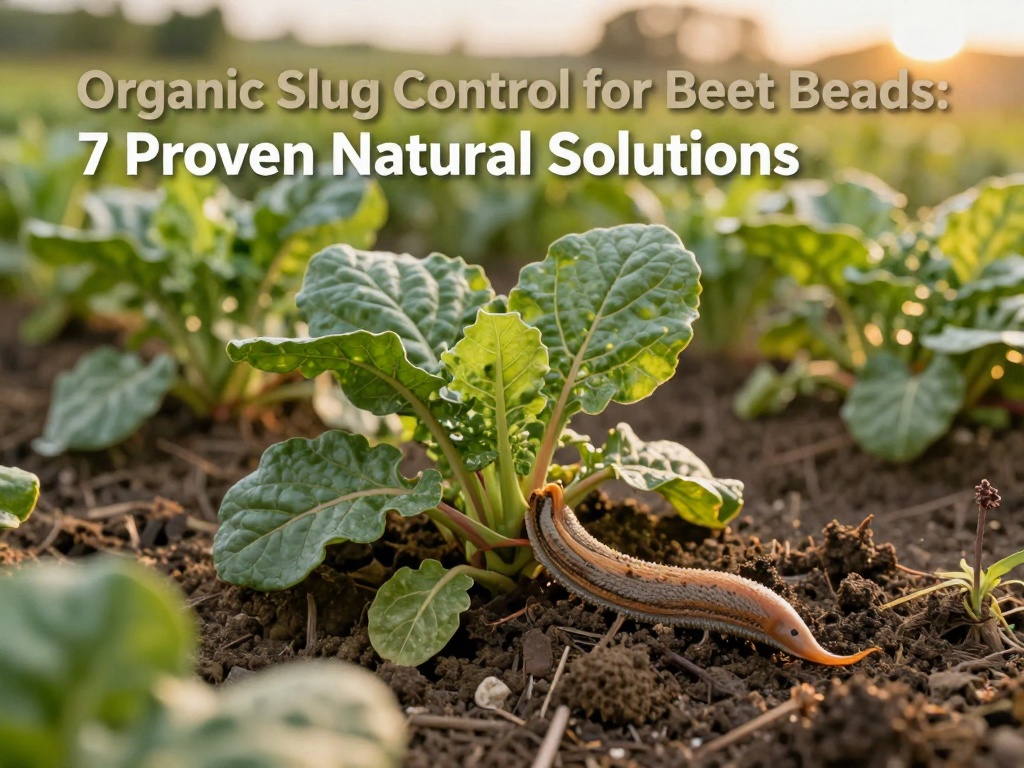
Organic Slug Control for Beet Beds: 7 Proven Natural Solutions
Slugs are one of the most frustrating pests for home vegetable gardeners, especially when targeting tender beet beds.  Young beet seedlings and tender leaves are a favorite snack for these slimy pests, which can wipe out an entire crop if left unchecked. Organic slug control for beet beds is the safest choice, as it avoids harsh chemical residues that can contaminate your edible harvest. This guide breaks down 7 effective, eco-friendly methods to protect your beet crop and boost your yield this growing season.
Top 7 Organic Slug Control Methods for Beet Beds
1. Copper Tape and Strip Barriers
Copper creates a mild, non-toxic electrical reaction when it comes into contact with a slug’s mucus coating, repelling the pests without harming your beet plants or soil. Wrap copper tape (available at most garden centers) around the edges of your beet bed, or place small strips around individual beet seedlings to create a protective barrier. Replace copper strips every 1-2 growing seasons, as they can lose effectiveness over time.
2. Food-Grade Diatomaceous Earth
Food-grade diatomaceous earth (DE) is a powdery natural substance made from fossilized aquatic organisms. It cuts through the soft exoskeleton of slugs, causing them to dehydrate and die. Sprinkle a thin layer of DE around the base of your beet plants, taking care to reapply after rain or heavy watering. Wear a mask when applying DE to avoid inhaling the fine powder.
3. Homemade Beer Slug Traps
Beer is a highly attractive bait for slugs, who will crawl into the liquid and drown. Bury a small plastic jar or cup level with the soil in your beet bed, then fill it halfway with cheap beer. Empty the traps daily and refill with fresh beer to maintain effectiveness. This method is especially effective for small to medium-sized beet gardens.
4. Attract Natural Slug Predators
Encouraging natural slug predators like ground beetles, frogs, toads, and beneficial nematodes is a long-term organic slug control solution. Add a small water feature to your garden to attract frogs and toads, plant native flowers to draw in ground beetles, or apply nematodes to the soil around your beet beds. Avoid broad-spectrum pesticides, as they will kill these helpful predators.
5. Slug-Repellent Organic Mulch
Certain organic mulches create an uncomfortable surface for slugs to crawl across, deterring them from reaching your beet plants. Crushed eggshells, coffee grounds, pine needles, and straw all work well for this purpose. Spread a 2-3 inch layer of mulch around the base of your beet plants, taking care to keep the mulch a few inches away from the stems to avoid rot.
6. Handpicking Slugs
Handpicking may not be the most glamorous pest control method, but it is highly effective for small beet beds. Go out at dawn or dusk, when slugs are most active, and pick them off your beet plants and soil. Drop the slugs into a bucket of soapy water to kill them humanely. This method is perfect for gardeners who prefer a hands-on approach.
7. OMRI-Listed Neem Oil Spray
OMRI-listed neem oil is a natural insecticide that disrupts the feeding and breeding cycles of slugs. Mix 1 teaspoon of neem oil with 1 quart of water and a few drops of dish soap to help the oil mix with water. Spray the solution onto the soil around your beet beds and the undersides of beet leaves, avoiding midday application to prevent leaf burn.
Preventative Tips for Long-Term Slug Management
Beyond active control methods, there are several steps you can take to reduce slug populations in your beet beds long-term. Avoid overwatering your beets, as slugs thrive in moist, damp conditions. Space your beet seedlings properly to improve air circulation, which dries out the soil surface and makes it less inviting for slugs.
The National Gardening Association reports that crop rotation can also help reduce slug populations, as slugs tend to target the same plant families year after year. Avoid planting beets in the same bed for more than two consecutive growing seasons to disrupt their life cycle. Clear away garden debris and fallen leaves at the end of the growing season, as slugs will overwinter in these areas.
FAQ About Organic Slug Control for Beet Beds
What time of day are slugs most active on beet beds?
Slugs are most active at dawn and dusk, as well as during overcast, rainy days when the air is moist. For handpicking or targeted control, target these windows for the best results.
Is coffee grounds effective for slug control in beet beds?
Yes, used coffee grounds create a rough, acidic surface that slugs avoid. Sprinkling grounds around your beet beds also adds organic matter to the soil. Be sure to use unbrewed coffee grounds for the strongest repellent effect.
Can I use salt for organic slug control on beet beds?
While salt will kill slugs, it is not recommended for organic gardening or beet beds. Salt can damage soil structure, kill beneficial soil microbes, and accumulate in soil over time, harming your beet plants long-term. Stick to approved organic slug control methods instead.
How often do I need to reapply organic slug control methods?
Reapplication frequency depends on the method and weather conditions. Copper barriers last 1-2 growing seasons, while diatomaceous earth and neem oil should be reapplied after rain or heavy watering. Beer traps should be emptied and refilled every 1-2 days during peak slug activity.
No comments