
7 Effective Organic Slug Control for Hosta Beds: 2024 Guide
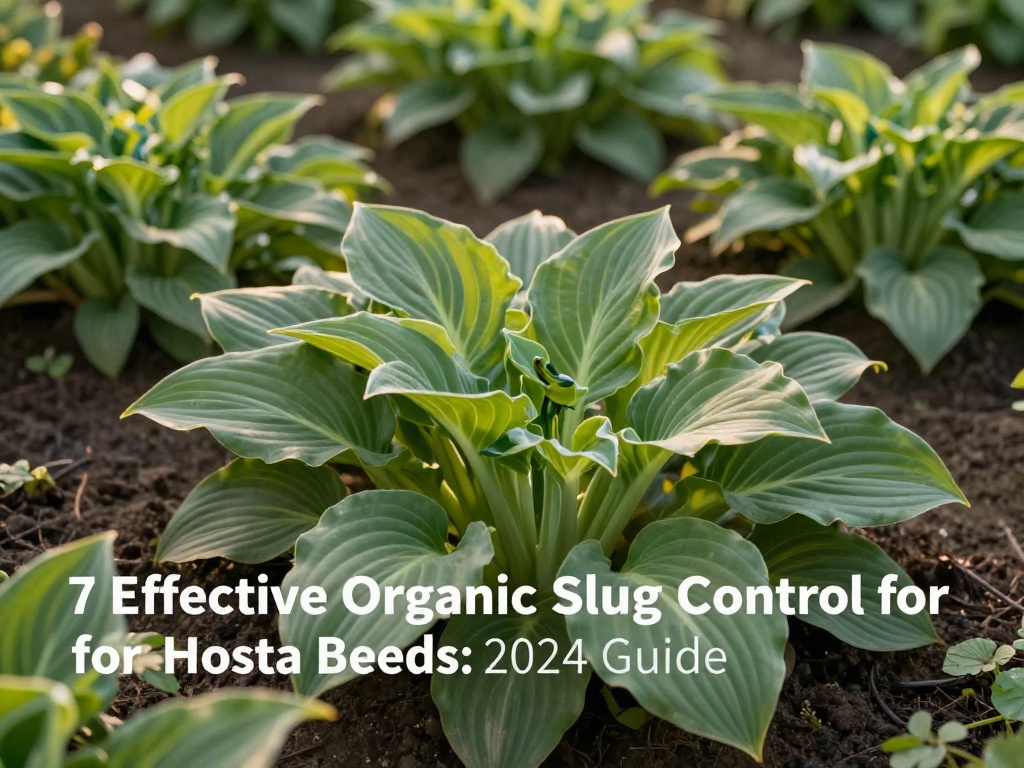
7 Effective Organic Slug Control for Hosta Beds: 2024 Guide
Hostas are beloved shade-loving perennials, prized for their lush, varied foliage, but they’re also a top target for slugs. Harsh chemical slug control can harm beneficial garden insects and disrupt your organic garden’s ecosystem, making organic slug control for hosta beds the ideal solution. These slimy pests chew irregular holes in hosta leaves, leaving your plants looking ragged and unhealthy. With these proven organic methods, you can protect your hostas without sacrificing your garden’s sustainability.
Why Slugs Target Hosta Beds (and How to Spot Damage)
Slugs thrive in cool, moist, shaded areas—exactly the conditions hostas grow in. Their soft, fleshy bodies lack a protective shell, so they seek out succulent foliage like hostas to feed on.
Signs of slug damage include irregular, ragged holes in leaves, silvery slime trails on foliage or soil, and chewed stems at the base of plants. According to the University of Maryland Extension’s 2024 slug management guide, hostas are among the most commonly damaged garden perennials due to their ideal growing conditions matching slug habitat.
7 Proven Organic Slug Control Methods for Hosta Beds
1. Beer Traps
Beer traps are a classic, affordable organic slug control method. Slugs are attracted to the yeast in beer, crawl into the shallow dish, and drown. To make a trap, bury a shallow plastic or ceramic dish so its rim is level with the soil surface, then fill it with cheap beer or a homemade yeast mixture (1 cup water + 1 tbsp yeast + 1 tbsp sugar).
Replace the mixture every 2-3 days, or after heavy rain, per Royal Horticultural Society recommendations.
2. Copper Barriers
Copper creates a mild, non-toxic electrical reaction when slugs touch it, repelling them from your hosta beds. Wrap copper tape around the base of individual hosta plants, or lay copper strips or copper paint around the perimeter of your hosta bed.
Ensure the barrier is continuous with no gaps, as slugs can squeeze through even small openings. This method works best for raised beds or small hosta plantings.
3. Food-Grade Diatomaceous Earth
Food-grade diatomaceous earth (DE) is a powdery sediment made from fossilized algae. It scratches the waxy exoskeleton of slugs, causing them to dehydrate and die. Sprinkle a thin layer of DE around the base of each hosta plant, taking care to keep the powder dry for maximum effectiveness.
Reapply DE after rain or watering, as moisture renders it ineffective. Never use pool-grade DE, as it is treated with chemicals and can harm beneficial insects.
4. Slug-Repellent Companion Plants
Planting slug-deterrent species around the edges of your hosta bed creates a natural barrier. Slugs avoid the strong scents of lavender, rosemary, thyme, garlic, chives, and fennel.
These plants also add beauty and functionality to your garden, with many being edible herbs. Group the repellent plants in a 1-2 foot wide band around your hosta planting to maximize effectiveness, per the National Gardening Association.
5. Handpicking Slugs
Handpicking is a low-effort, completely organic slug control method perfect for small hosta beds. Go out at dusk or dawn, when slugs are most active, and pick them off your hosta leaves and soil.
Drop the slugs into a bucket of soapy water to kill them, or relocate them far from your garden. Wear gardening gloves to avoid direct contact with slime.
6. Coffee Grounds
Used coffee grounds are a free, organic slug repellent that also adds nitrogen to your soil. Sprinkle a 1-2 inch layer of dry coffee grounds around the base of each hosta plant.
The caffeine in the coffee is toxic to slugs, and the abrasive texture of the grounds deters them from crawling onto the foliage. Avoid overapplying coffee grounds, as they can make soil overly acidic, though hostas tolerate slightly acidic conditions well.
7. Beneficial Nematodes
Beneficial nematodes are microscopic, non-parasitic worms that parasitize and kill slugs and their eggs. Mix Steinernema feltiae nematodes with water according to package instructions, then spray the mixture onto the soil around your hosta beds.
Apply nematodes in moist, cool conditions (temperatures between 50-85°F) in spring or fall, when slug activity is highest. Repeat every 4-6 weeks for continued protection.
Long-Term Organic Slug Control for Hosta Beds
To reduce slug populations over time, make small changes to your hosta bed’s habitat. First, remove leaf litter, dead foliage, and garden debris, as these areas provide hiding spots for slugs during the day.
Replace organic mulch like straw or wood chips with gravel or crushed stone, as the rough, dry surface makes it harder for slugs to move across. Avoid overwatering your hostas, as moist soil encourages slug activity. Instead, water at the base of the plants early in the morning to allow the soil to dry out during the day.
Frequently Asked Questions About Organic Slug Control for Hosta Beds
Will organic slug control methods harm beneficial insects in my hosta bed?
Most organic slug control methods are safe for beneficial insects like bees, ladybugs, and earthworms. The only exception is food-grade diatomaceous earth, which can harm beneficial insects if applied directly to their bodies. Apply DE only around the base of hostas to avoid contact with pollinators.
How often do I need to reapply organic slug control products for hostas?
Reapplication frequency varies by method: beer traps need refills every 2-3 days, diatomaceous earth after rain or watering, coffee grounds every 1-2 weeks, and beneficial nematodes every 4-6 weeks during active slug season.
Can I use eggshells for organic slug control in hosta beds?
Yes! Crushed eggshells create a sharp, abrasive barrier that slugs avoid. Spread dry, crushed eggshells around the base of each hosta plant to deter slugs from crawling up the stems. This is a low-cost, sustainable alternative to commercial slug barriers.
What’s the best time of day to apply organic slug control for hosta beds?
The most effective time to apply most organic slug control methods is late afternoon or early evening, when slugs begin their active feeding period. Handpicking slugs is also most successful at dusk or dawn, when slugs are easiest to find.
No comments